Sega’s Yakuza Kiwami 3 has arrived under a storm of criticism, marking the lowest-rated game in the series on Steam. What began as a promise to refine the classic Yakuza experience has instead become a flashpoint for fan frustration, with accusations of creative mismanagement, narrative betrayal, and a high-profile casting decision that has overshadowed everything else.
The game’s reception isn’t just a matter of personal taste—it reflects a broader trend of declining satisfaction among longtime supporters. At a 63% Mixed review score, Kiwami 3 sits at the bottom of the series leaderboard, a stark contrast to the near-universal praise that greeted its predecessors. Even the most forgiving players struggle to reconcile the final product with the expectations set by the original Yakuza 3.
The backlash centers on three major issues. First, the decision to recast a key character with an actor linked to sexual harassment allegations in 2022 has reignited debates about accountability in gaming. Second, the game’s narrative takes bold (and widely criticized) retcons that alter the original story’s tone and coherence. Finally, players point to substantial content cuts, including beloved minigames and side quests, replaced with recycled material from newer entries—a move that feels less like a remake and more like a budget-driven rehash.
The Remake That Feels Like a Retreat
For a series known for its deep storytelling and meticulous attention to detail, Kiwami 3’s approach feels like a step backward. The original Yakuza 3 was praised for its ambition, blending over-the-top action with a rich, evolving world. The remake, however, prioritizes familiarity over innovation, stripping away much of what made the game stand out. Critics argue that the changes don’t just alter the story—they undermine its emotional core.
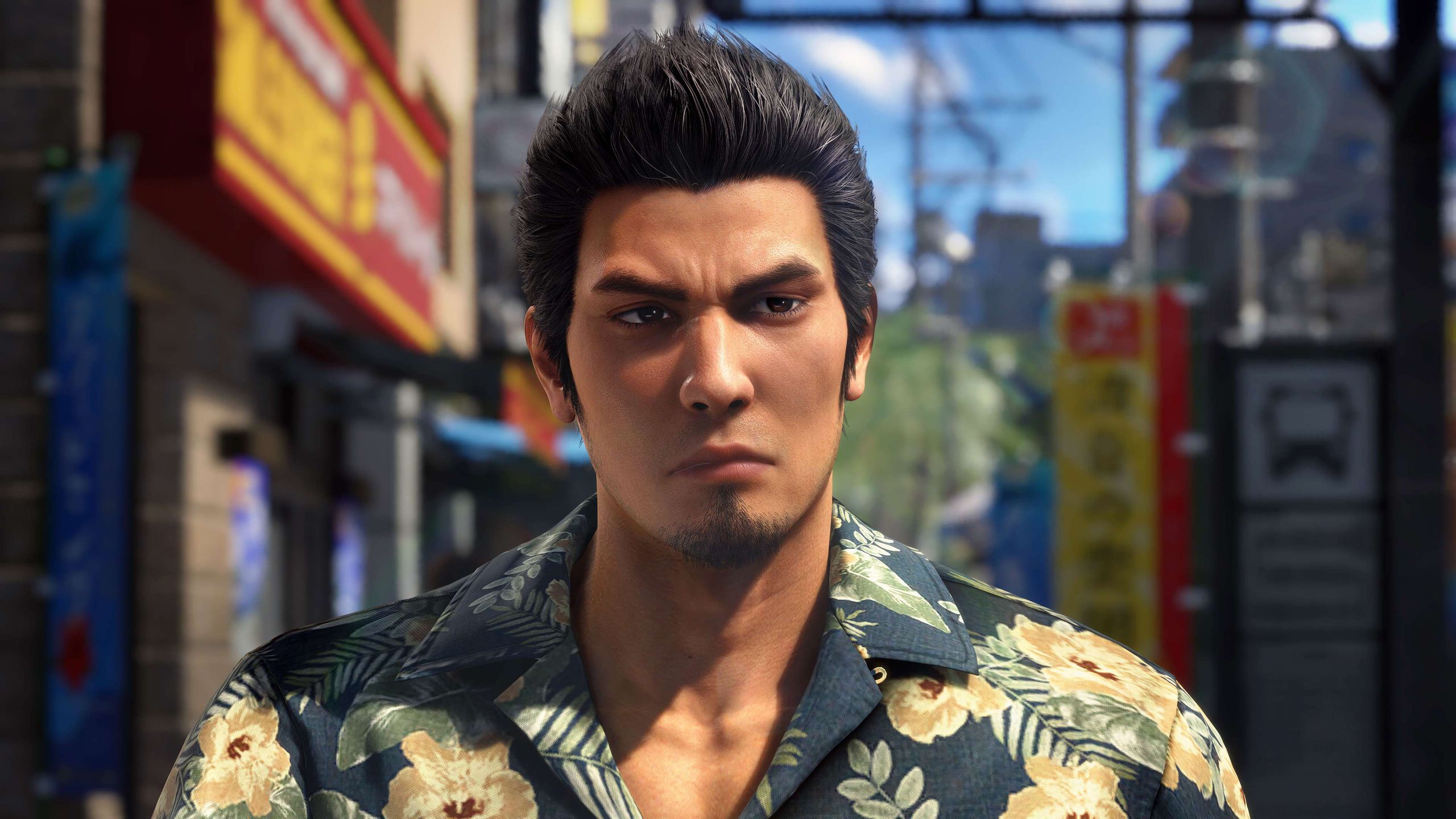
Take the recasting of Teruyuki Kagawa, whose voice actor has faced serious allegations. While Sega has not publicly addressed the controversy, the damage is already done. Players who once championed the franchise now question whether the studio is willing to uphold the same standards of integrity that defined the original games. The narrative retcons—such as altering key character arcs and relationships—have further eroded trust. These aren’t minor tweaks; they’re fundamental shifts that leave longtime fans feeling betrayed.
Then there’s the content. Where the original Yakuza 3 introduced unique minigames and side activities, the remake leans heavily on repurposed elements from later titles. The result is a game that feels incomplete, as if critical pieces were sacrificed for the sake of expediency. Even the combat, a hallmark of the series, has been criticized for lacking the polish of its predecessors, with reports of technical issues and performance hiccups.
A Series at a Crossroads
Kiwami 3 isn’t just a disappointment—it’s a symptom of a larger problem. The Yakuza series has long been a bastion of quality in gaming, but recent entries suggest Sega’s commitment to the franchise is wavering. The decision to conclude the Kiwami remakes with this release adds to the sense of urgency among fans, who fear the series may never regain its former glory.
Is this the end of an era? For now, the answer remains uncertain. But one thing is clear: Yakuza Kiwami 3 has left a bitter taste in the mouths of those who once loved the series. Whether Sega can course-correct remains to be seen—but the damage to its reputation is already done.