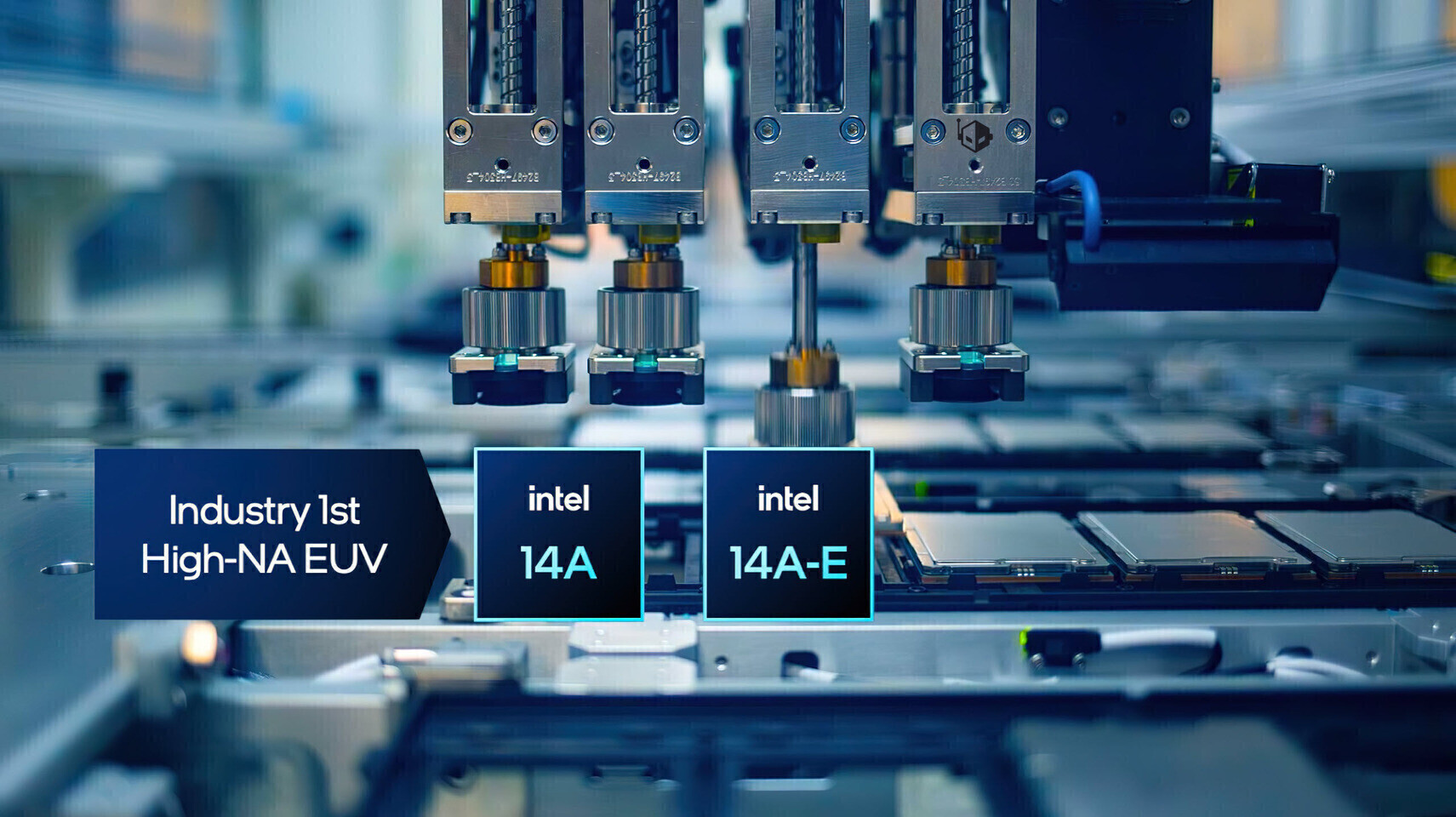
The Xiaomi Book 14, slated for release later this year, is emerging from the shadows of development leaks with specifications that suggest a substantial evolution in both performance and portability. What stands out immediately is the combination of Intel's Panther Lake Core Ultra Series 3 CPUs—specifically the Core Ultra 5 325 and Core Ultra X7 358H—paired with up to 32 GB of RAM and 1 TB of storage. This configuration not only pushes the boundaries of what a productivity-focused laptop can achieve but also hints at a shift in how integrated graphics are being leveraged in mainstream devices.
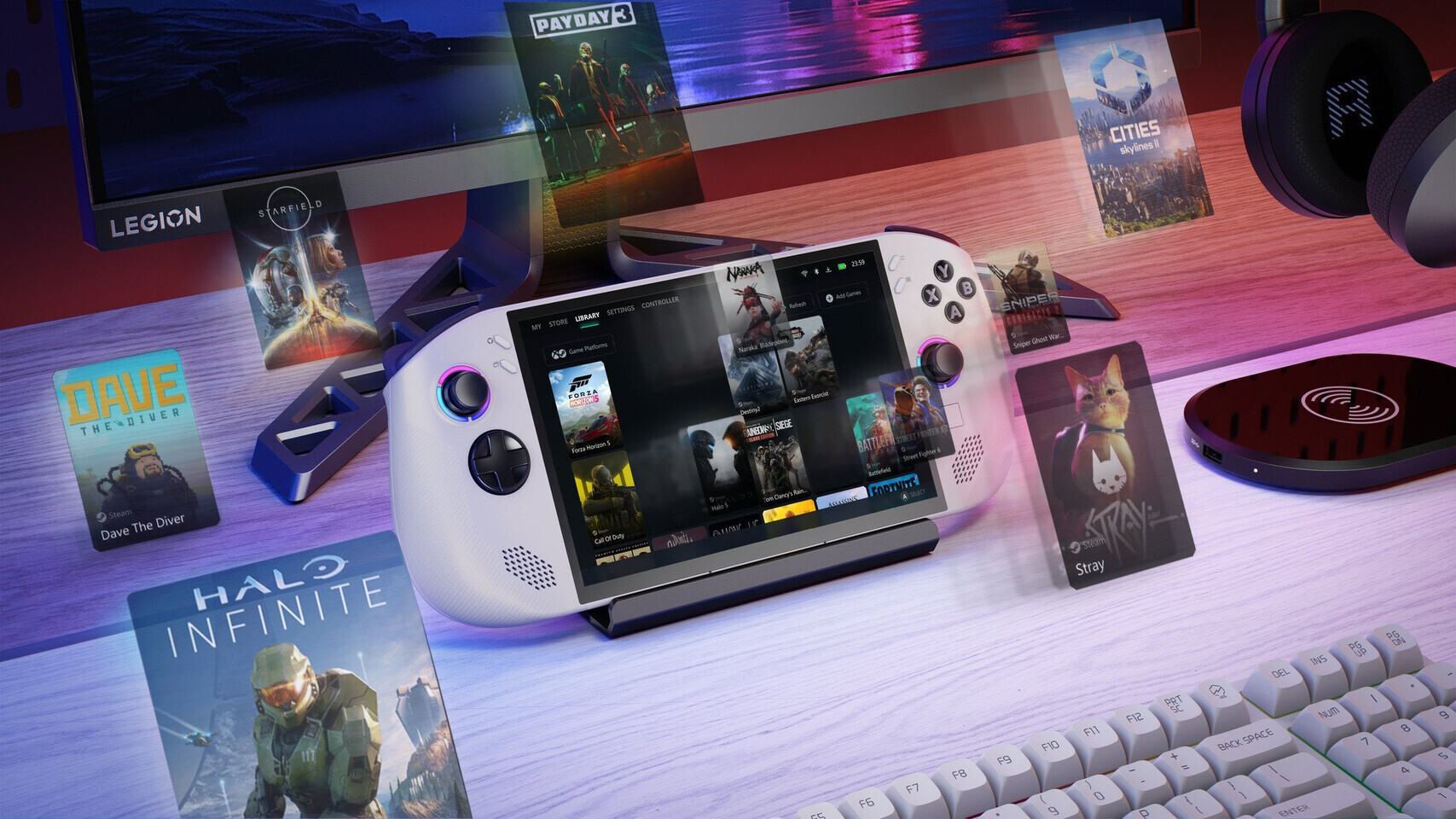
At the heart of this model is the Intel Arc B390 iGPU, a component that has already demonstrated its prowess in both gaming and creative workloads. The inclusion of such a powerful integrated GPU in a 14-inch ultrabook is notable, particularly when juxtaposed against current-generation offerings that max out at 16 GB RAM and 512 GB storage. This leap suggests Xiaomi is aiming to cater to users who demand more from their devices without compromising on portability or battery life.
The shift to Panther Lake also signals a broader industry trend toward more efficient, high-performance processors that can handle the increasing demands of AI-driven applications and multitasking environments. The Core Ultra X7 358H, in particular, is positioned as a powerhouse for users who require both raw performance and energy efficiency—a balance that has become increasingly critical in the laptop market.
Design-wise, leaks indicate a continued emphasis on slimness, with reports suggesting a weight of around 1 kg, slightly lighter than its predecessor. The inclusion of a touch-enabled 14-inch display further underscores Xiaomi's focus on versatility, allowing users to interact with their devices in ways that go beyond traditional input methods. This is particularly relevant for creative professionals and those who rely on touch interfaces for productivity.
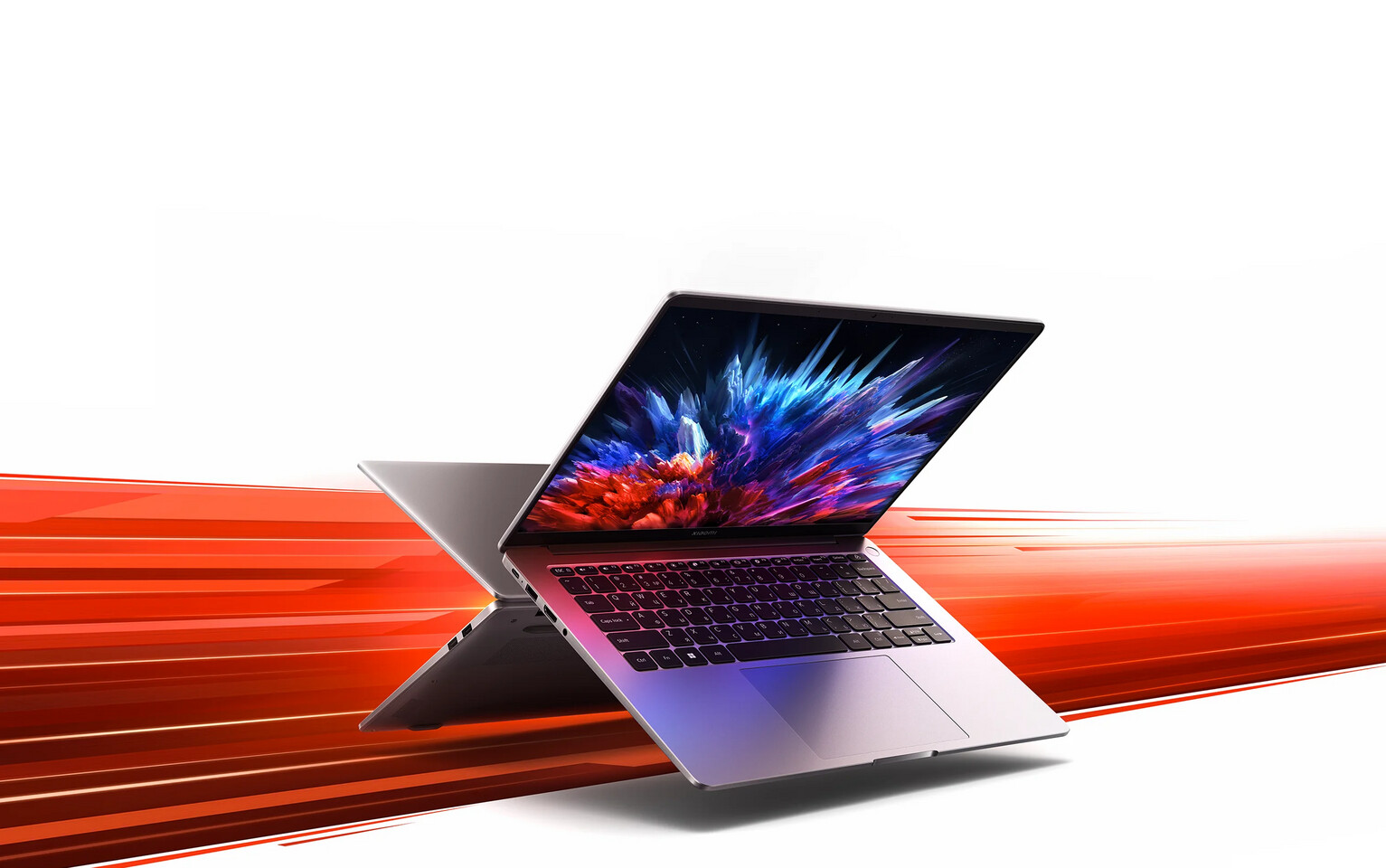
The leaked specifications also hint at a premium positioning, which could place the Book 14 in direct competition with established players like Apple's MacBook lineup. While the exact pricing remains unconfirmed, the combination of high-end components and a refined design language suggests that this model will not come cheap. However, the potential for significant performance gains—especially in areas like integrated graphics and memory capacity—could justify the investment for users willing to adopt next-generation hardware.
Looking ahead, the Xiaomi Book 14 appears poised to bridge a gap between traditional productivity laptops and those optimized for more demanding workloads. The inclusion of the Arc B390 iGPU, in particular, raises questions about how integrated graphics will evolve to meet the needs of users who previously relied on discrete GPUs for tasks like gaming or content creation. This could mark a turning point in how we think about ultrabooks, pushing them further into the realm of performance without sacrificing portability.
While many details remain under wraps, the leaked specifications paint a compelling picture of what could be one of the most significant updates to the productivity laptop segment in recent years. Whether this model will live up to its potential remains to be seen, but the combination of Panther Lake CPUs, high-capacity RAM, and advanced integrated graphics sets a new benchmark for what users can expect from a premium ultrabook.