Intel's XeSS 3.0 software development kit (SDK) is now available, marking a significant update for game developers looking to integrate advanced upscaling into their titles. Unlike previous promises of an open-source version, this release is strictly binary, delivered as a pre-compiled DLL file for Windows only.
This shift away from open-source code has been a long-standing point of contention within the developer community, with Intel's commitment to open-sourcing XeSS remaining unfulfilled for over four years. The current version, released under the Intel Simplified Software License, is designed to work on Windows systems, leaving Linux users without a native solution unless they implement a translation layer.
Key Features and Implications
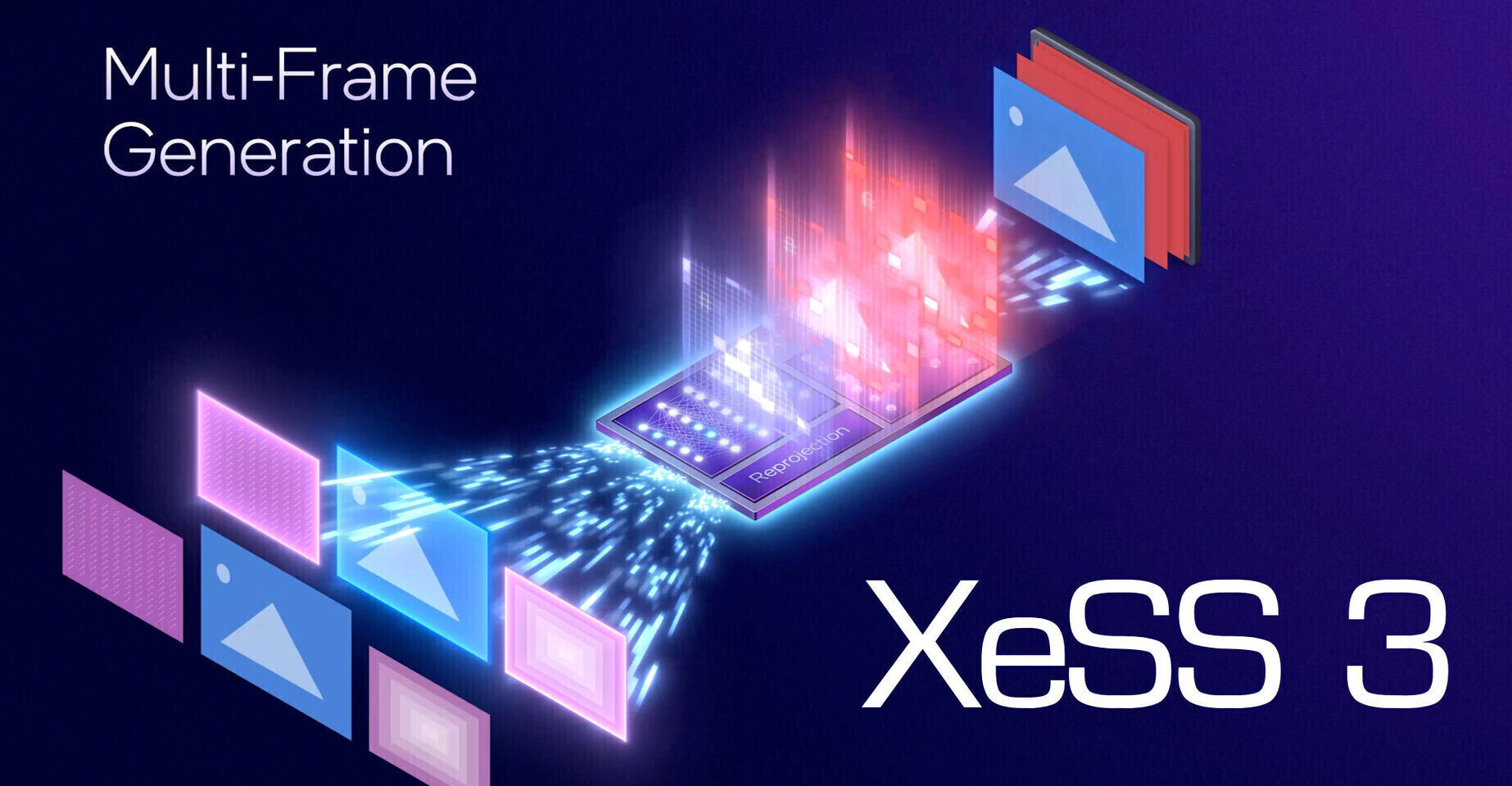
- Multi-Frame Generation (MFG): XeSS 3.0 supports up to three generated frames between two rendered frames, effectively increasing frame output by up to four times. This feature mirrors NVIDIA's DLSS MFG technology, positioning Intel as a competitor in the AI-driven frame generation space.
- External Memory Heaps: The SDK now allows XeSS to utilize GPU memory allocated by the game engine itself, reducing duplicate buffers and fragmentation. This enhancement provides developers with more control over VRAM allocation and residency, streamlining integration into existing render pipelines.
The introduction of MFG in XeSS 3.0 reflects a broader industry trend toward AI-generated frame insertion, which is rapidly becoming a standard feature for upscaling technologies. However, the closed-source nature of this release may pose challenges for developers working on Linux-based platforms or those who prefer open-source solutions.
For users looking to upgrade from XeSS 2.x versions, the transition is straightforward: simply replace the libxess.dll, libxell.dll, and libxess_fg.dll files with those provided in the latest XeSS 3.0 ZIP folder. While this SDK offers powerful new tools for performance enhancement, its limitations—particularly around platform support—could influence developers' long-term strategies.
Looking Ahead
The implications of Intel's binary-only approach extend beyond the technical specifications. Developers who prioritize open-source flexibility may find themselves constrained by this release, while those focused on Windows-based optimization will benefit from the advanced features introduced in XeSS 3.0. As AI-driven upscaling becomes more prevalent, the balance between performance gains and developer accessibility will be a critical factor in shaping the future of gaming technology.