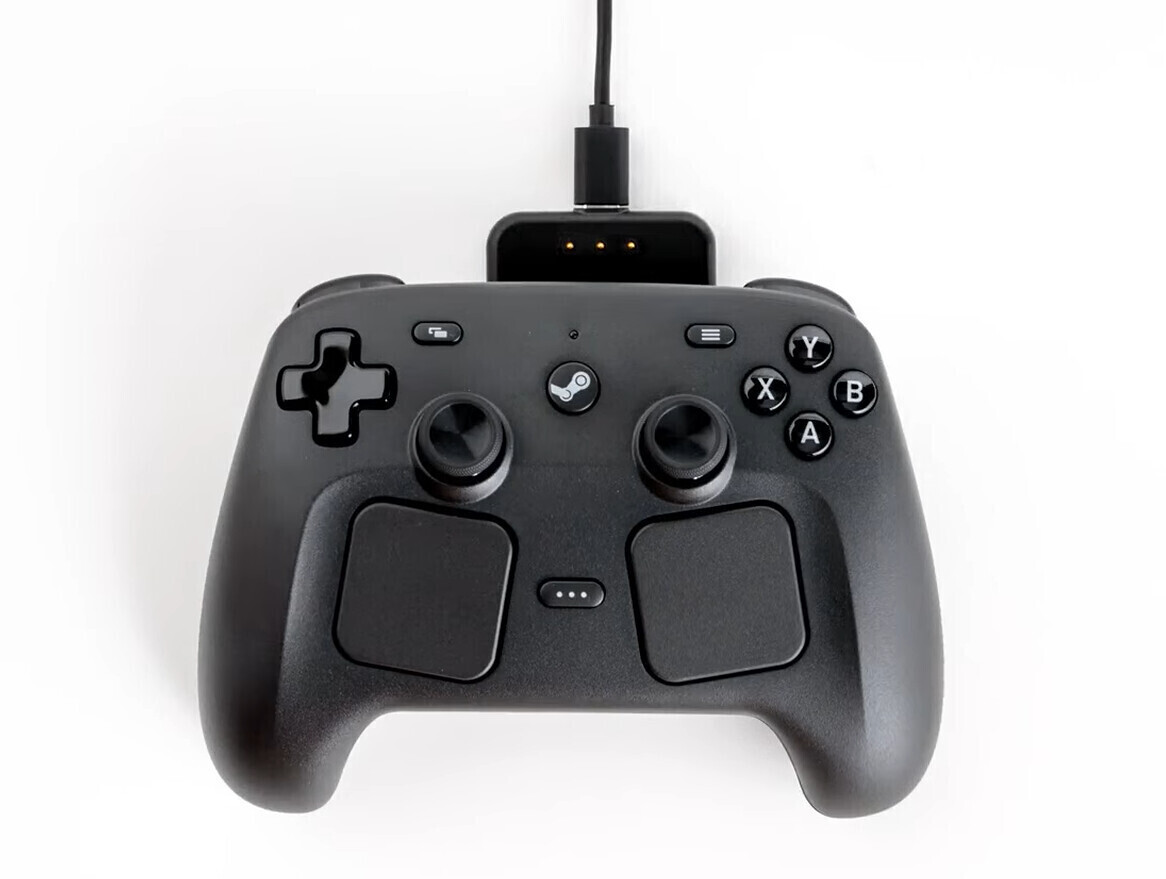
Xbox has introduced a new approach to its handheld design under the codename Project Green Leaf. Unlike previous generations that mirrored PlayStation’s hardware-level restrictions, this device prioritizes developer flexibility while delivering an estimated 30% improvement in power efficiency.
The shift is subtle but significant. Instead of locking developers into specific hardware configurations, Project Green Leaf allows for more dynamic software optimization. This could mean better performance tuning and longer battery life—a key concern for Windows handhelds targeting data and AI workloads.
- Confirmed: 30% power savings, developer flexibility focus, departure from PlayStation-style hardware constraints
The change in strategy suggests a long-term roadmap that values adaptability over rigid specifications. For users weighing upgrade decisions, this could mean more efficient use of resources and better thermal management—a critical factor for sustained performance.
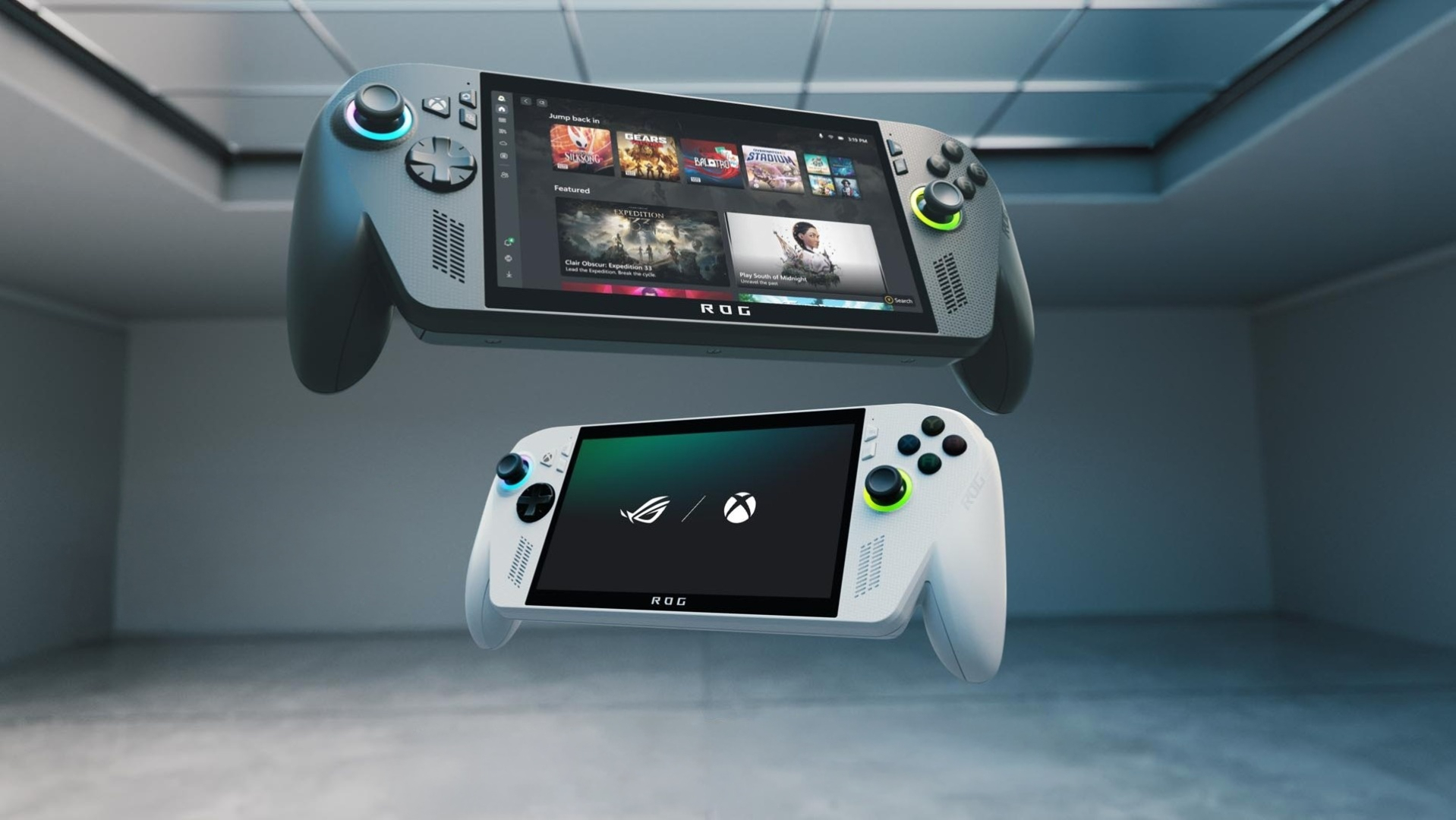
What remains unclear is how this will play out in real-world benchmarks or whether it will translate to tangible improvements in cooling and battery life. The focus on developer flexibility also raises questions about whether this will lead to more fragmented software experiences, a common trade-off when hardware isn’t tightly controlled.
The most important change here is the emphasis on power efficiency without sacrificing performance. This could set a new standard for Windows handhelds, but only if the rest of the ecosystem—software, cooling solutions, and battery technology—keeps pace.