Microsoft’s gaming division faces an uncertain future under its new leadership, with the company’s AI-first strategy potentially sidelining Xbox as a priority. Seamus Blackley, the original visionary behind Xbox, has painted a stark picture of the division’s trajectory, framing the appointment of Asha Sharma—previously at the helm of Microsoft’s Core AI portfolio—as a signal of a deliberate, gradual phase-out.
Blackley, who conceived the Xbox concept in 1999, argues that Sharma’s role is not to revitalize gaming but to manage its decline. The comparison to a ‘palliative doctor’ underscores a belief that Xbox, along with other non-AI business units, is being incrementally deprioritized in favor of Microsoft’s broader AI ambitions. The shift reflects a corporate philosophy where AI is positioned as the solution to nearly every challenge—including gaming—effectively abstracting away the need for dedicated hardware or content-driven strategies.
This perspective aligns with Microsoft’s recent leadership changes, where Phil Spencer, the longtime head of Xbox, stepped down amid a broader restructuring. Sharma’s background in AI product leadership, rather than gaming, reinforces concerns that the division’s future may hinge on how well it aligns with Microsoft’s AI roadmap. While the company has not explicitly announced a sunset, the narrative suggests a deliberate realignment rather than a sudden termination.
What This Means for Developers and Gamers
For developers, the implications are immediate. Microsoft’s multiplatform strategy—pushing games to Windows, cloud, and mobile—has already diluted the exclusivity that once defined Xbox. If AI becomes the dominant focus, hardware development could slow, leaving developers with fewer incentives to invest in console-specific optimizations. The rumored next-generation Xbox, expected in 2025, may face an uncertain future if Microsoft’s priorities shift.
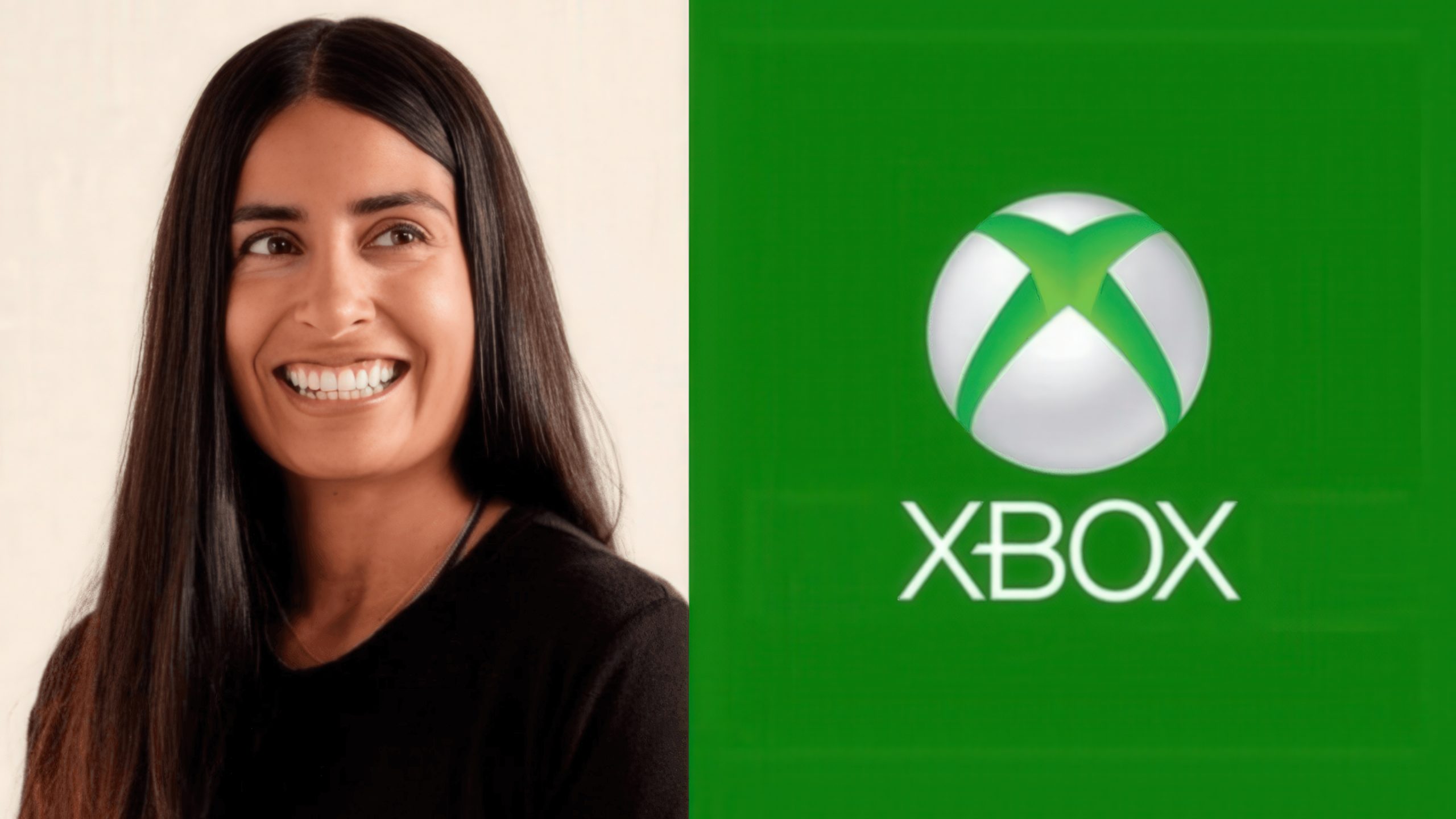
Gamers, meanwhile, have long feared the end of console hardware support, given Xbox’s declining sales and Microsoft’s emphasis on cloud-based gaming. While a full division shutdown remains speculative, the possibility of reduced innovation or support cannot be ruled out. Sharma’s past —including a rejection of ‘soulless AI slop’ in gaming—suggest a cautious approach, but her AI-centric background may ultimately overshadow her ability to champion traditional gaming interests.
A Pivotal Moment for Microsoft Gaming
The tension between Microsoft’s AI ambitions and its gaming heritage is not lost on industry observers. Unlike competitors like Apple or Netflix, which balance AI with auteur-driven content models, Microsoft’s gaming division lacks a comparable creative or hardware-driven identity. The company’s shift toward AI-enabled solutions—where games are treated as problems to be abstracted rather than creative endeavors—could redefine Xbox’s role in the ecosystem.
For now, Microsoft remains committed to releasing a new console, though the long-term viability of the division hinges on whether Sharma can reconcile gaming’s unique demands with Microsoft’s AI-first vision. If history is any guide, the ‘gentle sunset’ Blackley describes may unfold over years rather than months—but the writing on the wall is undeniably clear.