Memory constraints in edge computing and AI inference are about to get a major upgrade. Innodisk has launched a CXL Add-in Card (AIC) that bypasses traditional motherboard DIMM limitations, offering up to 256GB of scalable expansion via PCIe Gen 5. The card isn’t just a stopgap—it’s a strategic shift for systems where memory demand outpaces physical slot availability.
The announcement arrives as the tech industry grapples with DDR6 delays and persistent memory shortages, forcing developers to rethink how systems handle data. While DDR6 won’t hit mainstream markets until 2027, Innodisk’s solution leverages existing DDR5 infrastructure to deliver near-instant scalability for edge servers, 5G networking, and latency-sensitive applications like smart medical imaging.
Breaking the DIMM Bottleneck
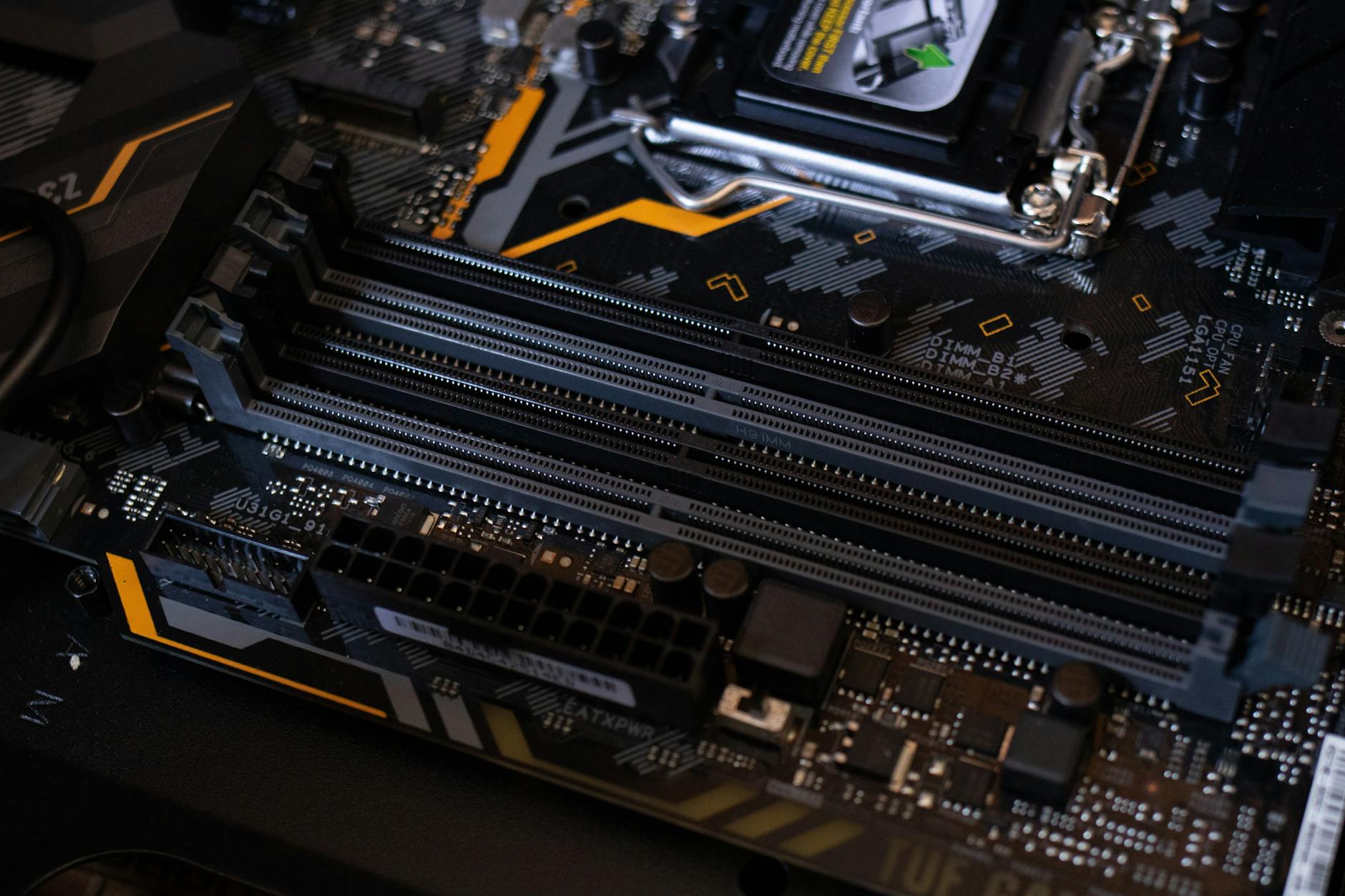
Most servers are shackled by the number of DIMM slots on their motherboards. The CXL AIC changes that by connecting via PCIe, freeing up native slots while adding up to 256GB of memory (via two 128GB RDIMM sockets). The design isn’t just about capacity—it’s about performance. With a PCIe Gen 5 x8 interface, the card delivers an extra 32GB/s of bandwidth, reducing latency for CPU-to-memory access in AI workloads.
This matters for real-world use cases
- Edge AI: Deploy models like Stable Diffusion or smaller LLMs without downgrading to lower-precision modes.
- 5G networking: Handle real-time data processing with sub-millisecond response times.
- High-frequency trading: Pool memory across multiple hosts for dynamic workloads without system redesigns.
The card’s HHHL form factor (with an optional FHHL bracket) ensures compatibility with tight server chassis, making it ideal for microdata centers where space is at a premium.
CXL 2.0 for Dynamic Workloads
Beyond raw capacity, the card supports CXL 2.0 Type 3—meaning it can pool memory across multiple hosts. This is a game-changer for environments where workloads fluctuate, like financial trading platforms or smart hospitals. Instead of overprovisioning memory that sits idle most of the time, systems can dynamically allocate resources as needed.
Innodisk’s solution also sidesteps the cost of motherboard redesigns. As memory prices remain volatile—with DDR6 still years away—this card offers a flexible, future-proof alternative for industries where downtime isn’t an option.
Who Needs This?
This isn’t a consumer product. It’s built for
- Data centers: Edge servers requiring more memory than their motherboards allow.
- AI labs: Workstations running large language models or generative AI inference.
- Financial firms: Systems handling high-frequency trading with microsecond latency requirements.
- Healthcare: Medical imaging and predictive analytics where memory bottlenecks slow diagnostics.
The card’s modular design—swappable RDIMMs—also means organizations can adjust capacity without replacing entire systems. For industries where memory costs are a line-item expense, this could translate to significant savings.
The Bigger Picture
Innodisk’s move comes as the tech ecosystem waits for DDR6 to arrive in 2027. While DDR6 promises speeds up to 17,600 MT/s, the transition won’t be instant. The CXL AIC fills the gap by extending the lifespan of DDR5 infrastructure while preparing for next-gen demands.
For now, the focus is on edge and AI workloads. But as CXL adoption grows, this could become a standard tool for any system pushing the limits of traditional memory architecture.