Xbox’s recent leadership upheaval—marked by Phil Spencer’s retirement and Sarah Bond’s abrupt departure—wasn’t just about succession. It was the culmination of a strategic misfire that fractured internal morale and left the brand’s core identity in question. At the heart of the turmoil lies a marketing campaign that redefined Xbox not as a console company but as a sprawling, multiplatform ecosystem. The result? A backlash so severe it reached all the way to Redmond’s headquarters.
The campaign, branded as ‘This is an Xbox’, was designed to position Microsoft’s gaming division as an omnipresent force across devices, cloud services, and even mobile platforms. But according to insider accounts, the pivot wasn’t just unpopular with consumers—it offended Xbox’s own employees. Sources close to the team describe an internal culture where dissent was stifled, and those who questioned the strategy faced professional repercussions. The message, in short, was clear: question the vision, and you’re out.
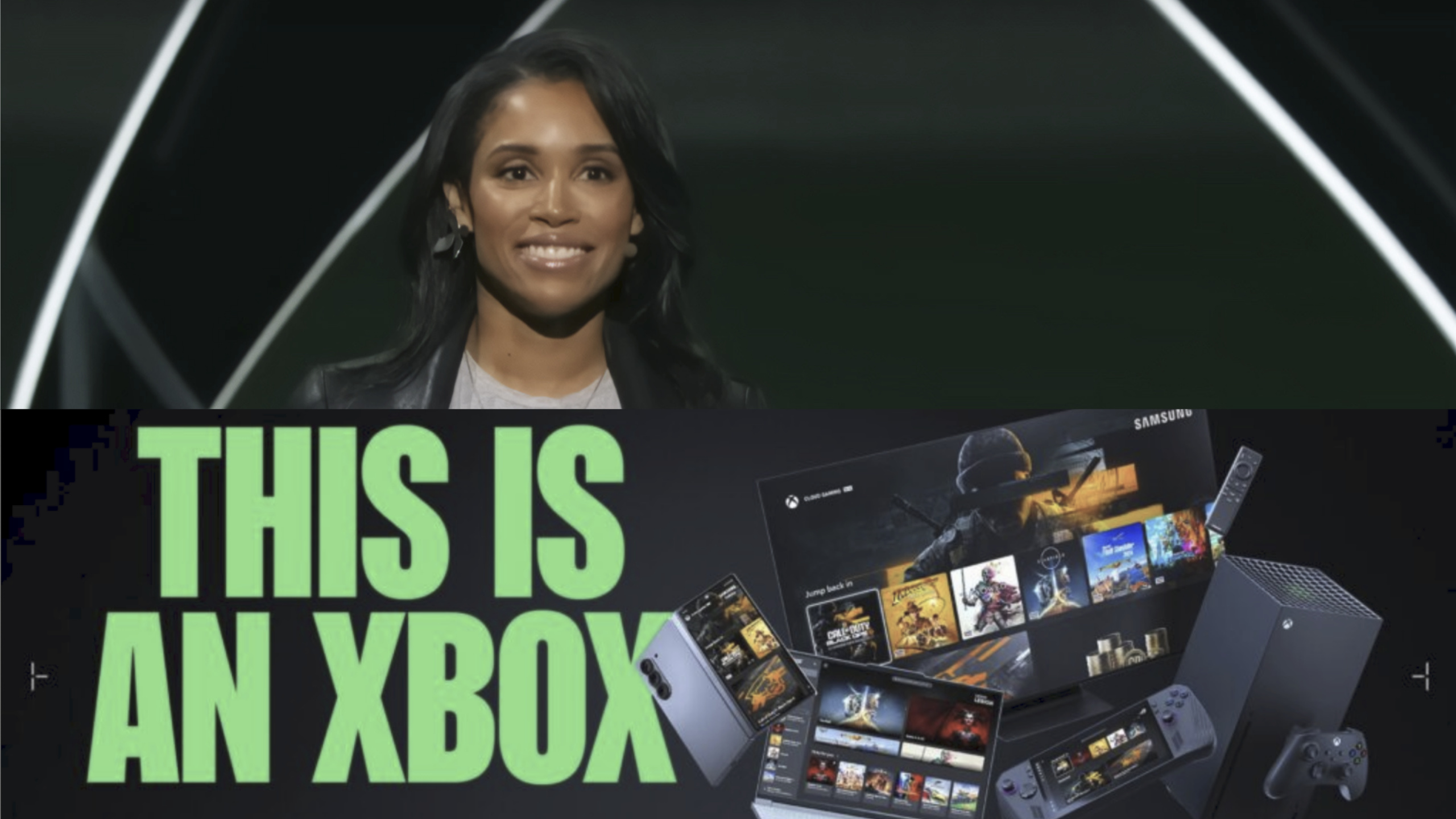
Bond, who oversaw the campaign’s execution under Spencer, emerges as the architect of a gamble that went wrong. Her tenure is framed as a period of aggressive deal-making—most notably securing the Activision Blizzard acquisition—but also one where Xbox’s hardware was deprioritized in favor of a cloud-centric, device-agnostic approach. The shift came as sales stagnated and revenue dipped, leaving employees convinced the strategy was unsustainable. By the time Bond’s resignation was announced, relief was palpable among remaining staff, though her departure doesn’t erase the broader question: Did Microsoft’s gaming division lose sight of what made Xbox relevant in the first place?
Now, with Asha Sharma stepping into Spencer’s role, the focus shifts to whether the new leadership can reclaim Xbox’s console heritage. Sharma’s appointment suggests a pivot back to hardware, but the real test will be tangible: the next major first-party Xbox exclusive. If that game lands exclusively on Xbox’s platforms—and not just as a cross-platform title—it could signal a return to the brand’s roots. For now, the industry watches to see if Sharma’s turnaround extends beyond rhetoric.
The stakes couldn’t be higher. Xbox remains one of Microsoft’s few high-profile consumer brands, and its future hinges on whether the company can reconcile its past with its ambitions. The message from the past six months is clear: in gaming, identity matters. And for Xbox, that identity starts with a console.