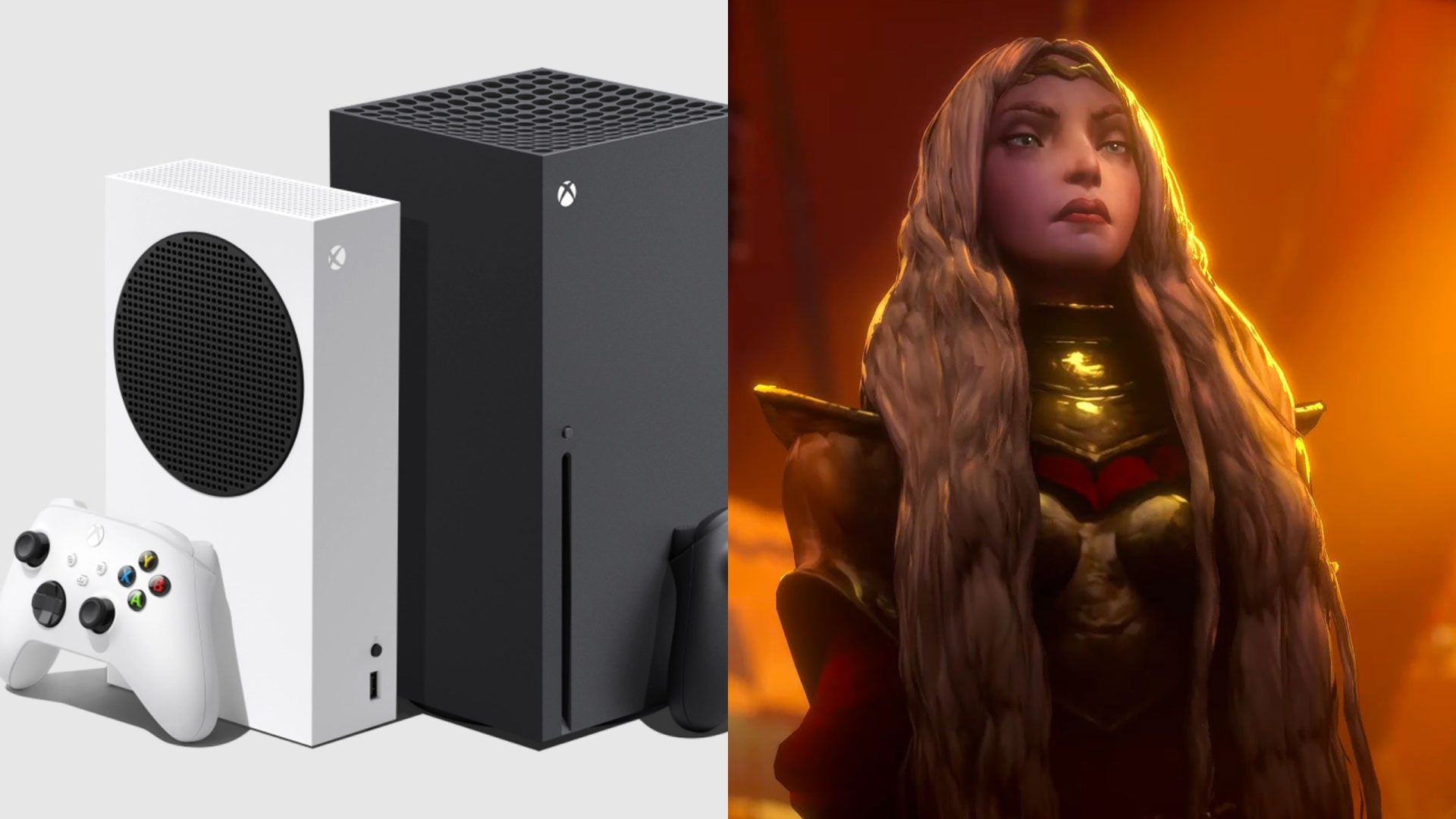
Microsoft's original plan to debut the Xbox Series X alongside its smaller sibling, the Series S, is now in flux. While the Series S was designed to prioritize affordability over raw power, the delay suggests a broader recalibration of expectations around what an 'X' console should deliver in terms of performance and efficiency.
The Xbox Series X, with its 12 terabytes of storage and custom AMD Zen 2 CPU, was always positioned as the high-end option. But behind the scenes, Microsoft is reportedly taking a closer look at how that power translates into real-world scenarios for IT teams managing gaming environments. The delay doesn't necessarily mean the console will be less capable—it may simply reflect a shift toward ensuring that its advantages are more tangible and immediately useful.
Key Specifications
- CPU: Custom AMD Zen 2, 8 cores at 3.8 GHz
- GPU: RDNA 2 architecture, 12 TFLOPS performance
- Storage: 12 TB custom NVMe SSD (expandable)
- Memory: 16 GB GDDR6
- Power: 450 watts TDP, designed for sustained high-performance sessions
The Series X's architecture was built with efficiency in mind, but the delay hints at a desire to fine-tune its performance metrics further. For IT teams, this could mean more predictable behavior under load, better thermal management, and clearer benchmarks that highlight its advantages over competitors like PlayStation 5 or PC gaming setups.
Why It Matters Now
The original launch window was already tight, with the Series S aiming for a lower price point by stripping down some of the premium features. The delay suggests Microsoft is prioritizing consistency across its lineup rather than rushing to market. For developers and IT managers, this could translate into more reliable hardware that meets stricter performance thresholds without sacrificing flexibility.
Looking Ahead
The Xbox Series X's eventual release will likely focus on solidifying its place in the high-end gaming segment. While no new details have emerged about pricing or availability, the recalibration appears to be about ensuring that its specifications translate smoothly into real-world efficiency gains—a critical factor for teams managing large-scale gaming deployments.