The Xbox Elite 3 controller has emerged as the latest iteration in Microsoft’s quest to redefine gaming input devices. Unlike its predecessors, this model is not just about performance—it’s about giving players the power to tailor every aspect of their experience, from button sizes and colors to trigger resistance and haptic feedback.
At first glance, the Elite 3 stands out with a modular design that allows for deep customization. It features swappable faceplates, adjustable shoulder buttons, and interchangeable triggers. The controller also supports software-based tuning through the Xbox Accessories app, letting users fine-tune everything from sensitivity to vibration intensity. This level of control is unprecedented in consumer gaming hardware, catering to both competitive players and those who prioritize comfort during long sessions.
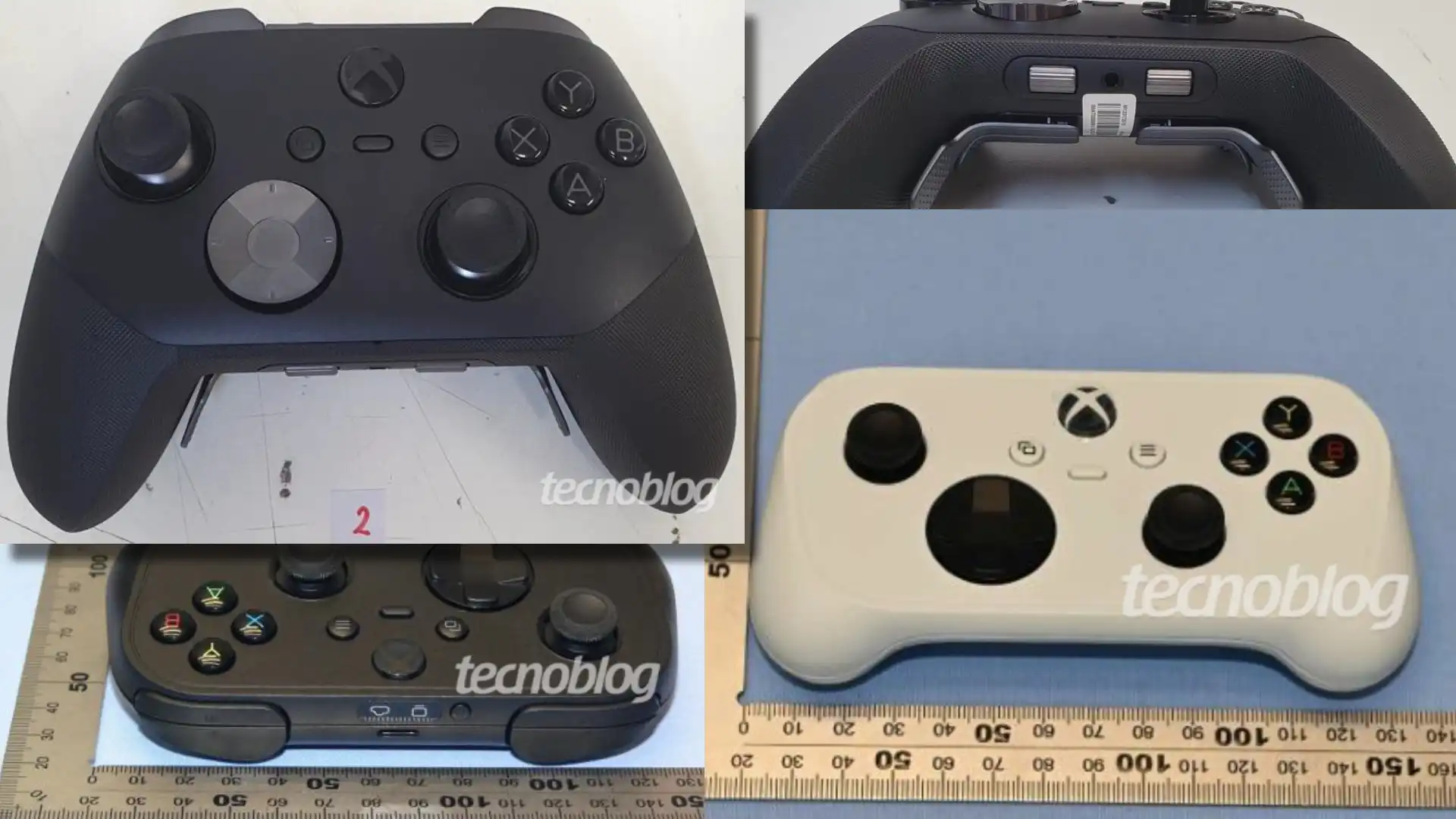
However, one notable absence is a touchpad—a feature that has become standard on many modern controllers, including the PlayStation DualSense. For users accustomed to navigating menus or accessing quick-access features with a touch, this could be a significant trade-off. The Elite 3’s focus on raw input customization may leave some players wondering whether they’re sacrificing versatility for specialization.
Looking ahead, the Elite 3’s success will hinge on how Microsoft addresses this gap. If the company can integrate touch functionality without compromising its core strengths, it could solidify its position as a leader in adaptive gaming peripherals. Otherwise, competitors with more balanced feature sets may continue to dominate the market.
For IT teams evaluating hardware for gaming setups, the Elite 3 presents a compelling case for those who prioritize customization over broad functionality. Its modularity and software integration offer tangible value, but the lack of a touchpad remains an unresolved question that could influence adoption in environments where flexibility is key.