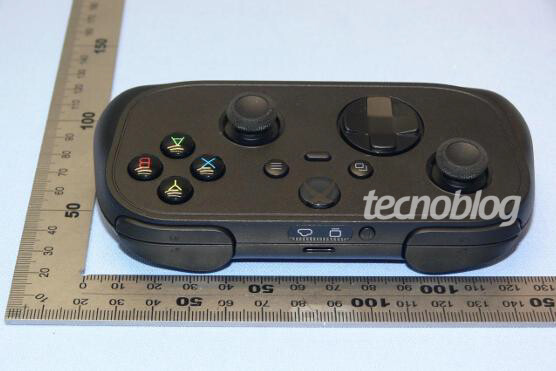
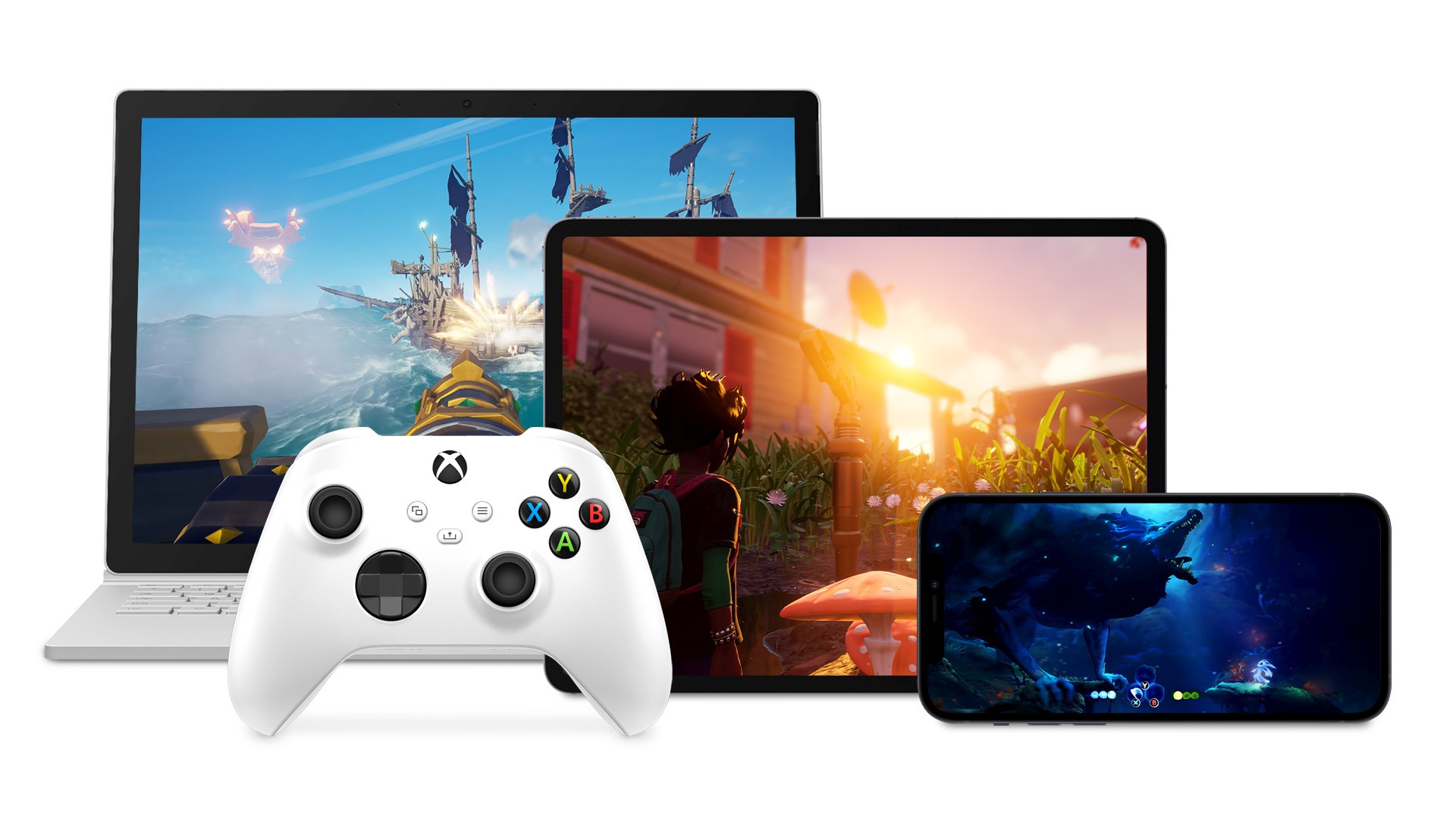
The evolution of gaming controllers has long been tied to the physicality of buttons, triggers, and sticks—elements that define how players interact with games. But as cloud gaming becomes more prevalent, Microsoft may be reimagining what a controller needs to function effectively in this new era. A leaked image suggests the company is developing an Xbox controller tailored specifically for cloud gaming, one that trades some traditional button complexity for seamless connectivity and mobility.
This isn’t merely about adding Wi-Fi to an existing design. The device appears significantly lighter and more compact than its predecessors, with a reduced number of physical buttons. This shift implies a focus on software-driven controls and adaptive inputs, which could streamline the gaming experience but may also limit customization for players accustomed to traditional layouts.
Key Specifications
- Built-in Wi-Fi module for direct cloud gaming connections, eliminating the need for external dongles or cables.
- A more minimalist design with fewer physical buttons, hinting at a software-first approach to controls.
- Full compatibility with Xbox Cloud Gaming, providing access to a growing library of titles without requiring local hardware like an Xbox Series X|S.
The reduction in physical buttons could also make this controller more suitable for mobile gaming scenarios. Users might experience smoother transitions between games and faster load times since the device doesn’t need to sync with a console. However, this design choice may not cater to traditional gaming setups where button mapping is a priority.
Strategic Implications
The built-in Wi-Fi isn’t just about convenience—it’s also a strategic move toward platform lock-in. By making cloud gaming the default experience, Microsoft reduces the friction for users who might otherwise explore other ecosystems with their own streaming services. This controller could become a gateway device for Xbox Cloud Gaming, encouraging more players to adopt it as their primary way to access games.
For workload-specific tasks like quick gaming sessions or mobile play, this design makes sense. However, it may not appeal to hardcore gamers who rely on a full suite of buttons for complex inputs. The question remains: will Microsoft introduce a traditional controller alongside this cloud-focused version, or is this the future of Xbox controllers entirely?
What’s Next
If the leaks are accurate, an official announcement could come in late 2024, with details on pricing and availability. Whether it becomes a staple for mobile gamers or remains a niche accessory will depend on how Microsoft balances connectivity with the needs of traditional players.