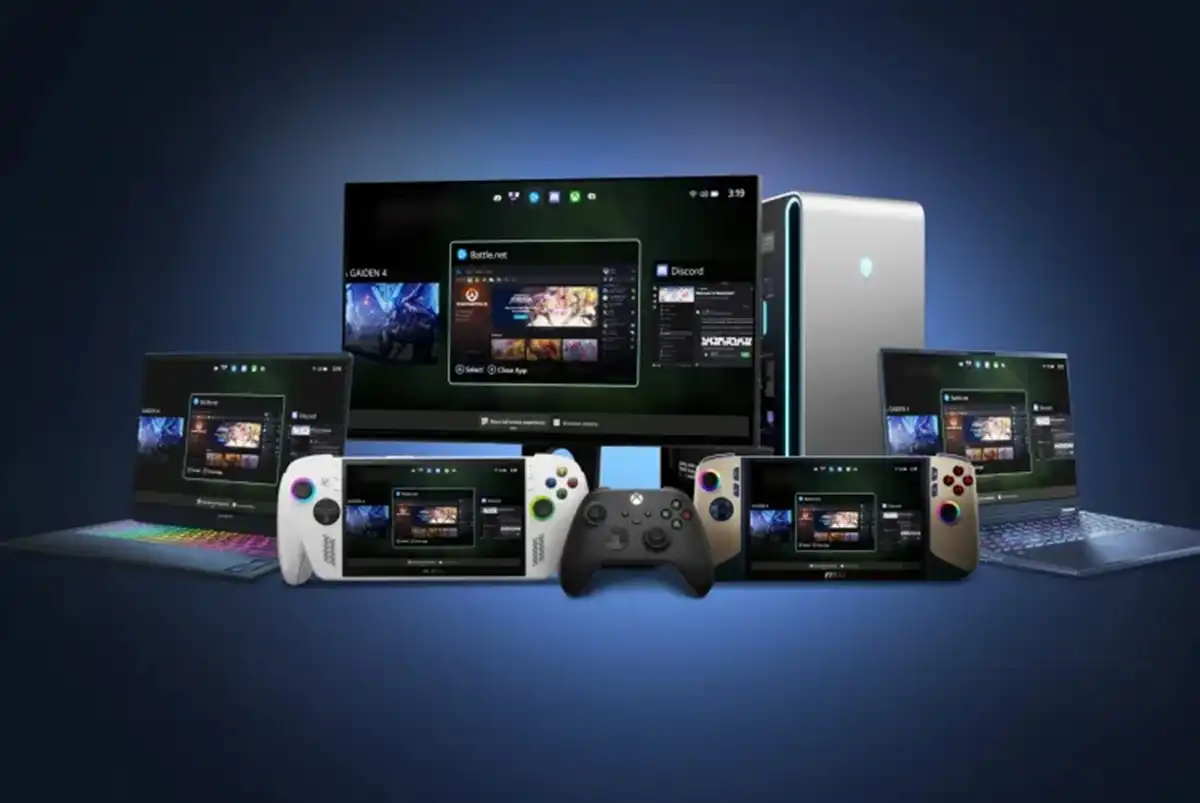
Gaming on portable devices has long been a balancing act between performance and portability. A new upscaling solution, designed to push visual fidelity while maintaining smooth frame rates, introduces a critical hurdle: it does not support handheld platforms like the Steam Deck or Nintendo Switch.
The technology, which combines ray tracing with traditional rasterization, mirrors NVIDIA's DLSS in functionality but diverges in hardware compatibility. While desktop systems can already benefit from its performance boosts—comparable to DLSS 3—portable gaming remains overlooked due to a lack of hardware acceleration support on handheld devices.
Early benchmarks confirm the solution's potential, with frame rate improvements that rival DLSS on desktops. However, these gains come without optimization for battery life or thermal efficiency, factors that are non-negotiable for handheld gaming. This leaves portable users without a viable alternative to DLSS, which has already integrated support for mobile platforms.
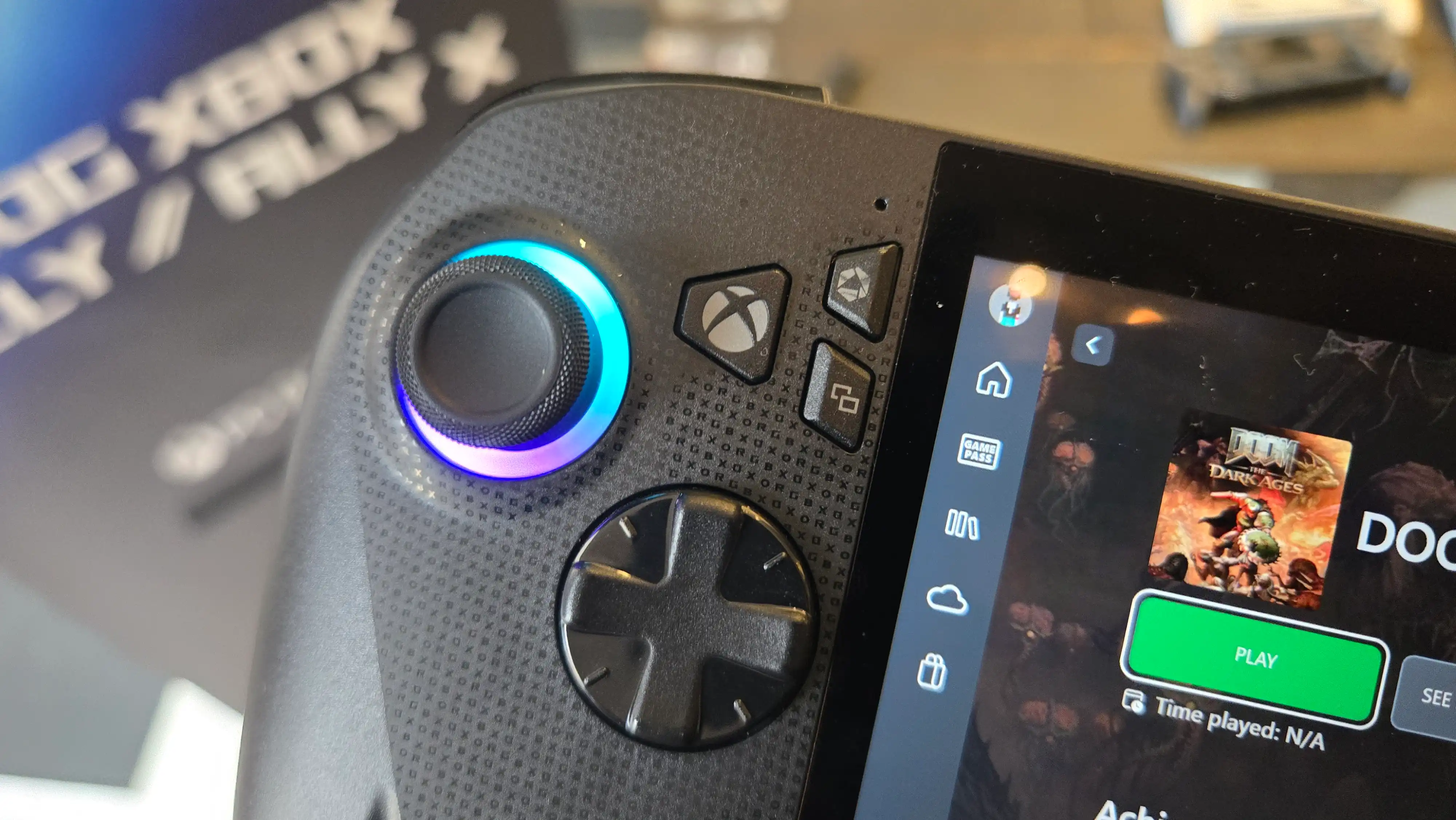
The exclusion isn't just about performance—it's about the future of gaming on the go. Handheld devices rely on efficient hardware designs that prioritize battery life and compact form factors. A technology that can't adapt to these constraints risks becoming a relic in an industry where portability is increasingly important.
Looking ahead, the focus will likely shift to whether this solution can evolve to meet the demands of handheld gaming. For now, DLSS remains the only option for those who require both high performance and portability. The question isn't just about when portable support might arrive—it's about whether it ever will.