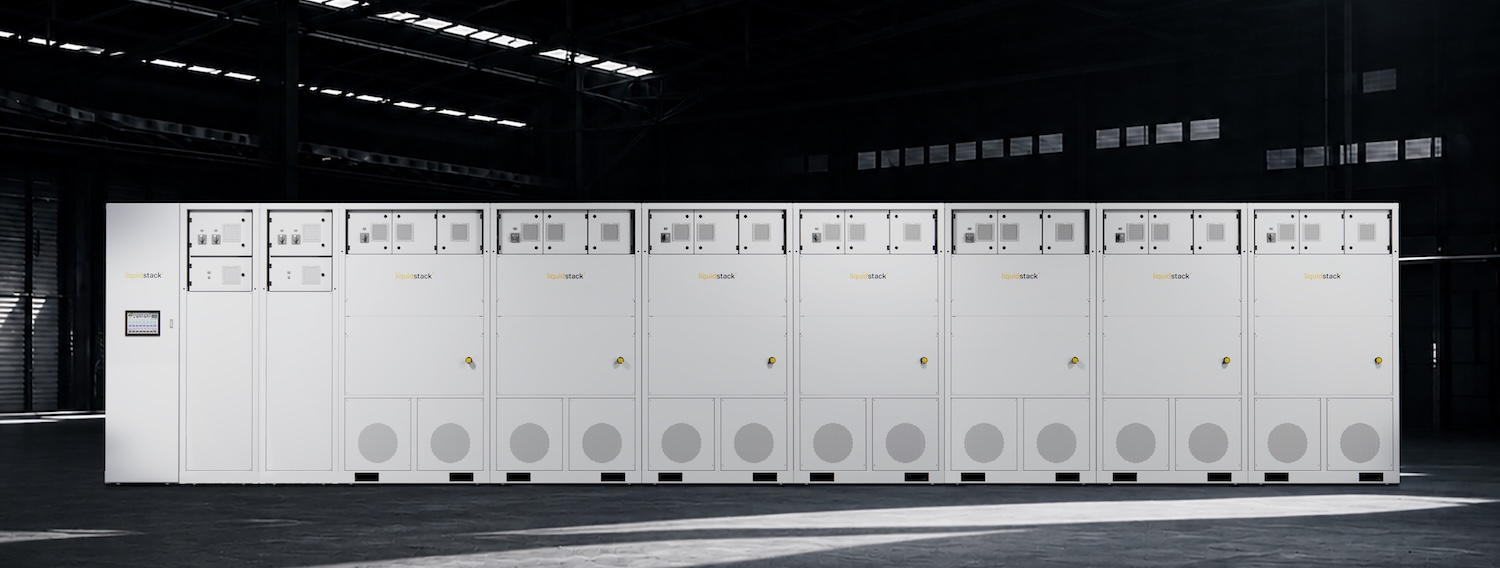
Verda has launched an AI cloud infrastructure that combines liquid-cooled NVIDIA Blackwell GPUs with Supermicro servers, running in a data center fed by renewable energy sources. The setup is designed not only for high-performance AI training and inference but also to contribute excess heat to a local district heating system, serving 15,000 homes.
At the heart of Verda’s deployment are Blackwell GPUs, which deliver up to 2,048GB of HBM3 memory per chip and clock speeds that push their compute capabilities beyond current industry benchmarks. These GPUs are paired with Supermicro’s hardware, known for its efficiency in data center environments. The liquid-cooling system ensures optimal thermal performance while minimizing energy loss.
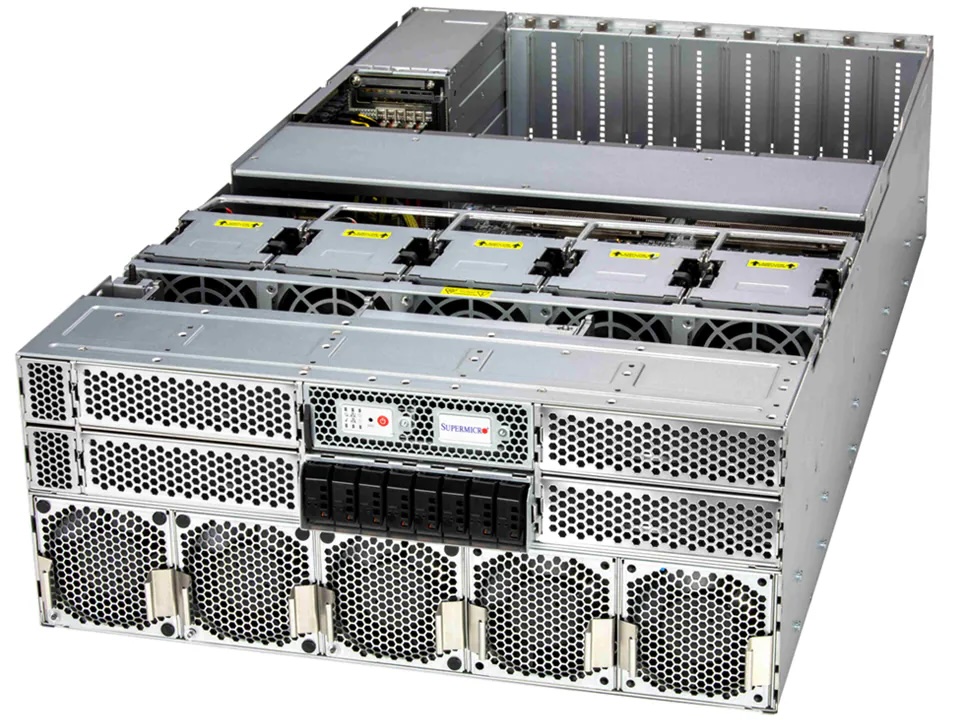
- AI Performance: Blackwell GPUs offer significant advancements in AI workload handling, including support for large language models and generative AI tasks. Their architecture is optimized for both training and inference, making them a strong candidate for enterprise AI deployments.
- Sustainability Focus: The data center runs on 100% renewable energy, primarily geothermal, which aligns with Verda’s goal of reducing carbon footprints in cloud computing. Excess heat generated by the GPUs is repurposed to warm homes, adding a practical layer to sustainability efforts.
- Enterprise Use Case: The platform targets enterprises looking for scalable AI solutions that also prioritize environmental responsibility. Compatibility with existing software stacks and frameworks ensures seamless integration into current workflows.
The deployment raises questions about the scalability of such systems, particularly in terms of power requirements and the balance between performance and sustainability. While Verda’s approach demonstrates a viable path forward for green AI infrastructure, industry-wide adoption will depend on broader energy policies and hardware advancements.
For enterprises evaluating AI cloud solutions, this deployment highlights the importance of considering not just computational power but also the environmental impact and long-term feasibility of such systems. The ability to integrate heat recovery into data center operations could set a new standard for sustainable computing, though challenges remain in making it a widespread practice.