Enterprises are increasingly turning to AI to refine their disaster recovery strategies, but the latest advancement from Veeam goes beyond mere automation—it introduces context-aware recovery that adapts in real time. The new Intelligent ResOps platform is designed to transform how data teams respond to incidents, offering a more dynamic and intelligent layer of protection for critical workloads.
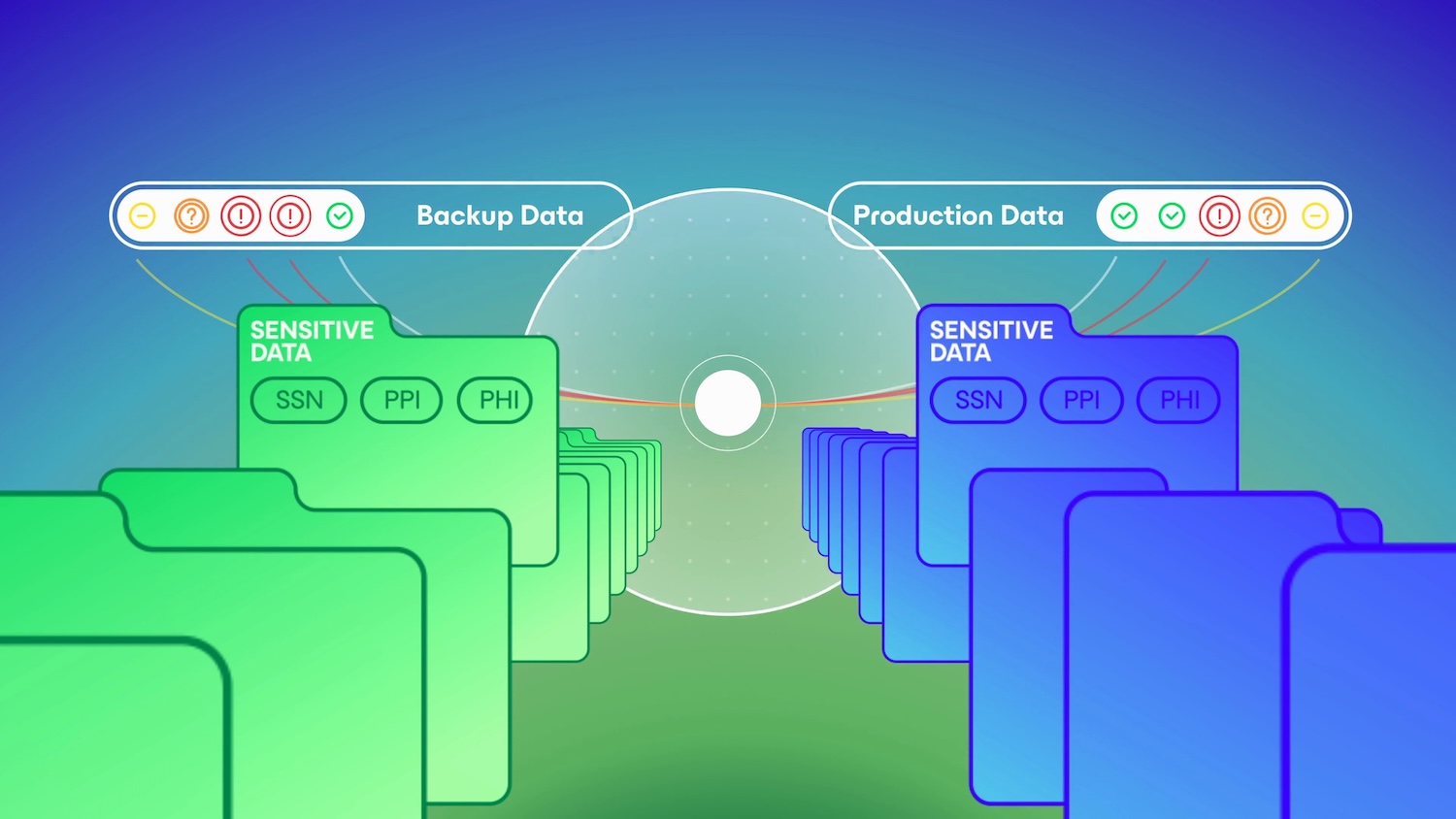
At its core, the platform leverages AI-driven analytics to provide deeper insights into data environments, allowing organizations to prioritize recovery actions based on context rather than rigid policies. This shift marks a departure from traditional backup-and-restore models, where recovery was often reactive and lacked the flexibility to adapt to evolving threats or business needs.
Key Details
The Intelligent ResOps platform integrates with Veeam’s DataAI Command Center, expanding its capabilities to include context-aware recovery. Key features include
- AI-driven recovery prioritization that adjusts based on data criticality and system dependencies.
- Automated incident response that reduces manual intervention during outages or data loss events.
- Enhanced visibility into potential risks, allowing proactive adjustments to recovery strategies before incidents occur.
This is not just an incremental update—it represents a fundamental rethinking of how disaster recovery is managed. Previously, recovery plans were often static, relying on predefined rules that could become outdated as environments scaled or changed. The new platform aims to close this gap by continuously learning from data patterns and adapting recovery protocols accordingly.
What It Means for Buyers
For enterprise buyers, the introduction of Intelligent ResOps introduces a critical decision point: whether to adopt an AI-augmented approach to disaster recovery or stick with traditional methods. The platform’s ability to dynamically adjust recovery priorities could significantly reduce downtime and data loss, but it also requires organizations to re-evaluate their existing infrastructure for compatibility.
Cost is another factor. While the exact pricing has not been disclosed, AI-driven solutions typically require higher upfront investments in both hardware and software, as well as ongoing training for teams to interpret and act on AI-generated insights. Enterprises will need to weigh these costs against the potential savings from reduced downtime and more efficient recovery processes.
Additionally, the platform’s reliance on AI means that organizations must ensure they have robust data governance policies in place. Context-aware recovery is only as effective as the data it analyzes, so accuracy and consistency of input are paramount.
What Remains Unclear
The long-term impact of Intelligent ResOps is still emerging, particularly around its scalability across hybrid and multi-cloud environments. While Veeam has positioned this as a step forward in intelligent recovery, questions remain about how it will perform under extreme workloads or in highly distributed architectures.
Another open question is integration with third-party tools. Enterprises often rely on a mix of vendors for their data protection strategies, and seamless interoperability will be key to adoption. Without clear answers here, some buyers may hesitate to pivot entirely toward this solution.
A Look Ahead
For now, the focus is on pilot programs and early adopters who are testing the platform’s capabilities in real-world scenarios. As more data comes in, enterprises will gain a clearer picture of whether Intelligent ResOps delivers on its promise of smarter, context-aware recovery.
The bigger question for buyers is timing: should they wait to see how this technology evolves, or should they start exploring it now to future-proof their disaster recovery strategies? The answer may depend on how quickly their current infrastructure can adapt—and whether the benefits outweigh the risks of being an early adopter.