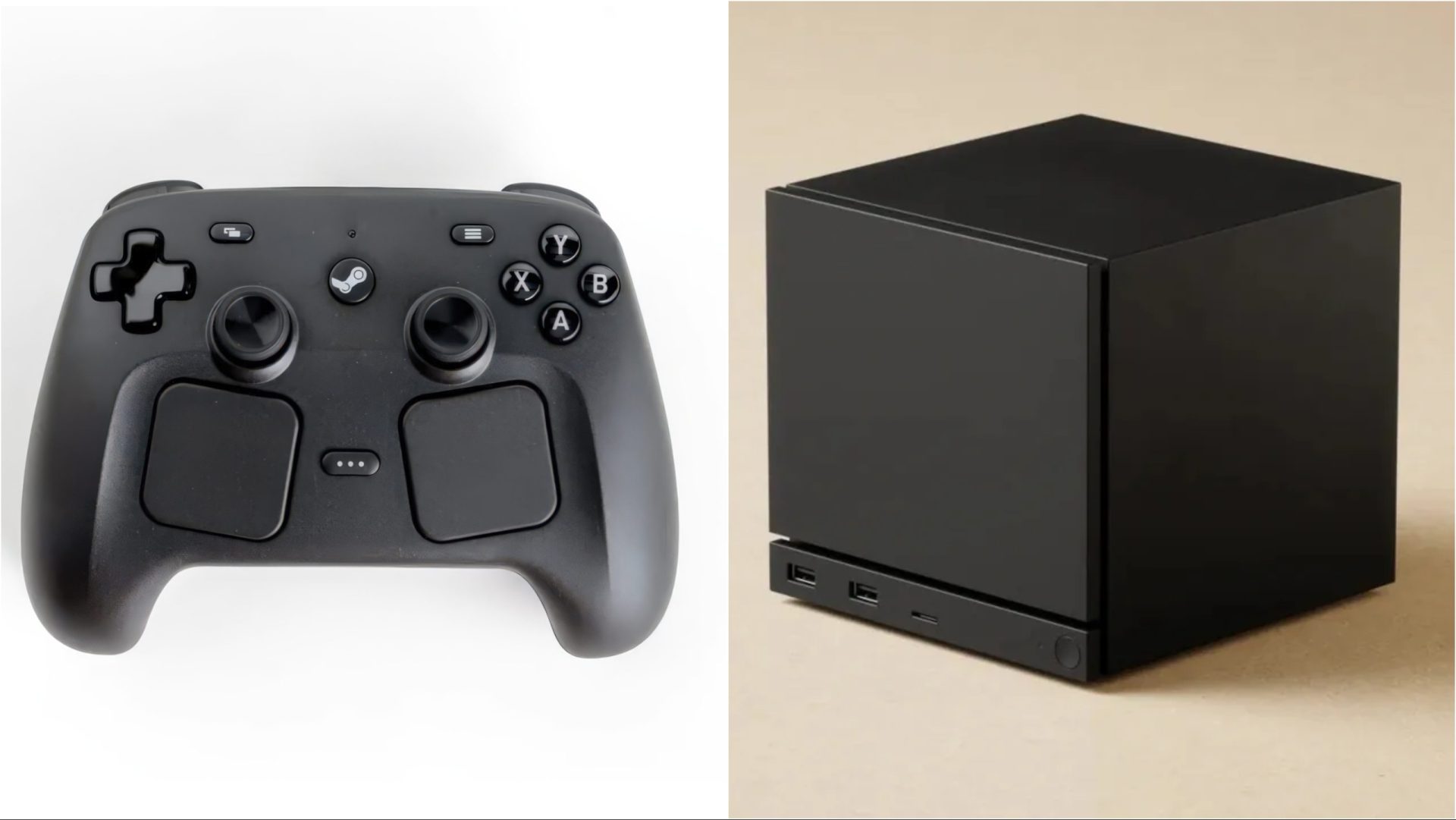
Valve’s Steam Controller is set to launch on May 4, arriving independently of the Steam Machine, which will follow at a later date. This separation suggests a deliberate shift in Valve’s hardware strategy, one that prioritizes modularity over an all-in-one solution.
The controller itself is built around a 1.2 GHz dual-core ARM Cortex-A7 processor paired with 512 MB of RAM. It includes two analog sticks, a touchpad, and customizable face buttons, offering a flexible input system for games. Storage comes from a 4 GB eMMC flash chip, enough for game saves but notably limited compared to traditional gaming PCs.
Unlike previous Valve hardware announcements, this release does not tie the controller to a specific platform like Steam Machine. Instead, it is designed to work with Windows and macOS out of the box, though Linux compatibility remains an open question. This could influence how developers approach game porting, potentially favoring Steam’s ecosystem over broader OS support.
For developers, the standalone launch introduces both opportunities and challenges. On one hand, optimizing for the Steam Controller could streamline input handling and improve performance on supported platforms. On the other, it risks fragmenting the gaming landscape if cross-platform compatibility becomes a lower priority. Whether Valve will address these concerns in future updates remains to be seen.
The focus now shifts to how this hardware will integrate with existing software ecosystems. If the Steam Machine follows with deeper integration, it may solidify Valve’s position as a closed platform, leaving developers to navigate the trade-offs between exclusivity and universal support. For now, the Steam Controller stands alone—a preview of what could be a more modular future for gaming hardware.