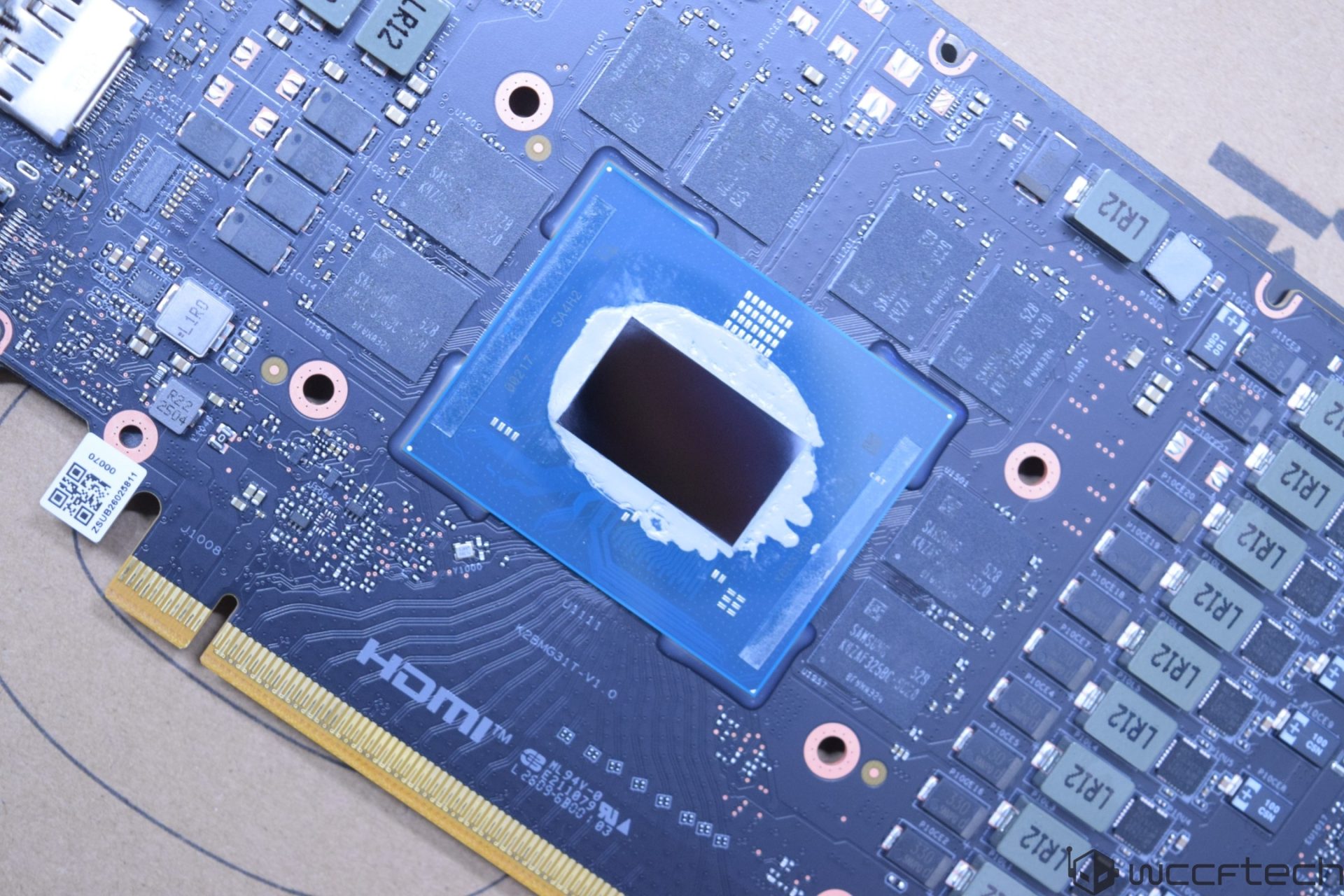
Enterprise buyers are facing a new benchmark: Intel’s Wildcat Lake processor, which has quietly pushed past Apple’s MacBook Neo in multi-core performance while delivering single-thread speeds on par with the A18 Pro. The gap—27% in multi-core benchmarks—isn’t just about raw power; it’s about redefining what ‘budget’ means in high-performance computing.
The Wildcat Lake chip, part of Intel’s latest lineup, brings efficiency gains that could ripple through IT departments. It’s not just a matter of clock speeds or core counts. The real shift lies in how much work can be done without proportionally increasing costs. For teams running complex workloads, this means more processing power at a fraction of the price per watt compared to what Apple currently offers.
Efficiency as a competitive edge
The MacBook Neo’s A18 Pro chip has been a standard-bearer for single-thread performance, but Intel’s Wildcat Lake closes that gap while extending its lead in multi-core scenarios. This dual advantage—matching Apple in one area while outperforming it in another—is rare and could force enterprise buyers to reconsider their hardware strategies.
- 27% faster in multi-core benchmarks than the MacBook Neo
- Single-thread performance comparable to the A18 Pro
- Designed for lower power consumption, reducing operational costs
A reality check on sustainability
While the numbers are compelling, not all workloads benefit equally from this shift. Some legacy applications may still favor Apple’s ecosystem, and real-world efficiency gains can vary depending on how software is optimized. However, for new deployments or cloud-integrated environments, Wildcat Lake could become a default choice.
The most significant change isn’t just the performance—it’s the cost equation. Enterprises that prioritize operational savings will find Wildcat Lake a strong contender, especially if they’re already invested in Intel’s ecosystem. The chip doesn’t just deliver more power; it delivers it at a price point that challenges Apple’s premium positioning.