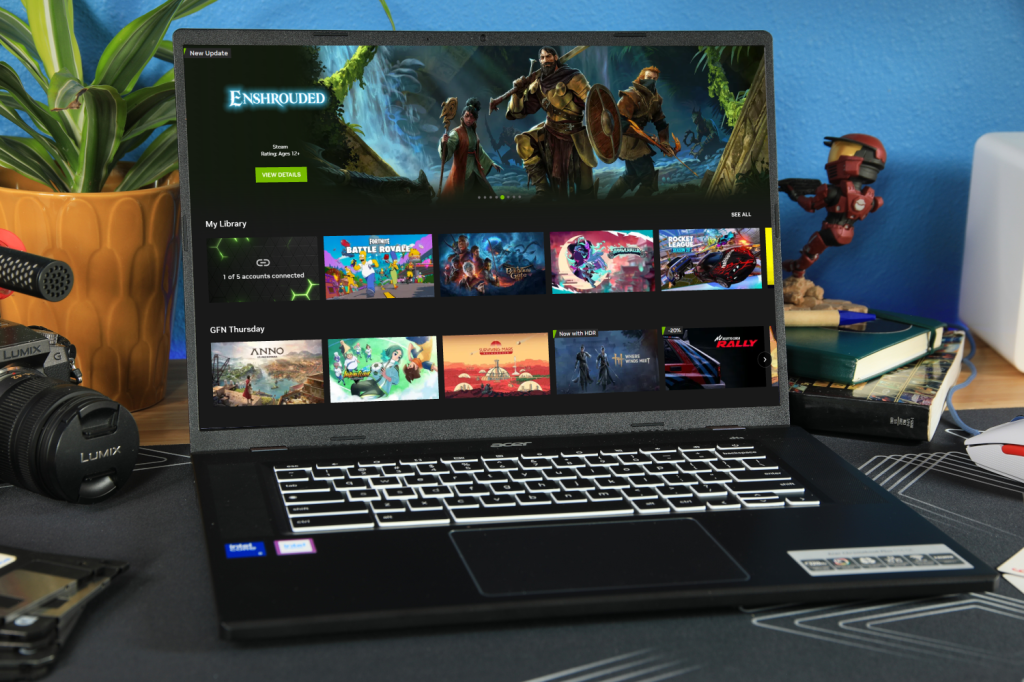
The Steam Deck OLED is now officially caught in the crossfire of the industry’s most disruptive supply chain crisis. Valve has updated its store page to acknowledge that memory and storage shortages—long plaguing PC components—are directly responsible for the handheld’s intermittent unavailability in certain regions. This admission comes as the broader tech sector grapples with skyrocketing prices and delayed releases, from Valve’s own Steam Machine to Sony’s next-gen console ambitions.
While the Steam Deck remains in stock in the UK and Australia, the company’s transparency marks a rare public acknowledgment of how deeply the memory crunch has penetrated even its most successful products. The issue isn’t isolated: manufacturers from Nintendo to Sony are reportedly adjusting timelines or pricing due to the same constraints. Nintendo has reportedly considered raising Switch 2 prices, while Sony’s next-gen console may face a launch delay stretching into 2029.

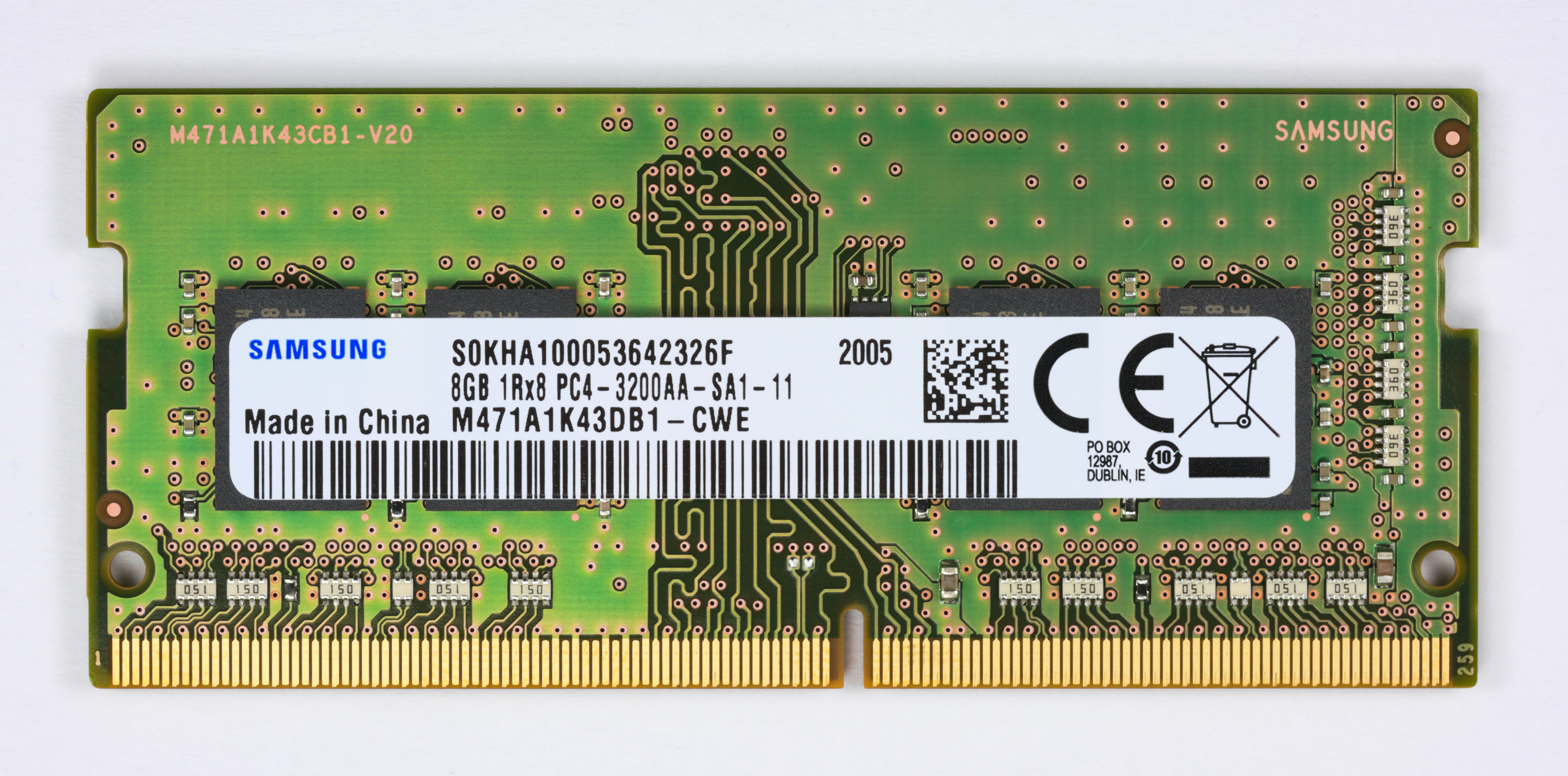
Valve’s Steam Machine, originally slated for a first-half 2026 release, now faces an uncertain timeline. The company stated that component shortages have forced a reassessment of both pricing and shipping schedules, particularly for the Steam Machine and Steam Frame. The root cause remains the same: AI-driven demand for memory chips has sent prices spiraling, creating a bottleneck that extends beyond gaming hardware into consumer electronics at large.
- Steam Deck OLED stockouts linked to global memory/storage shortages.
- Valve delays Steam Machine pricing and release date due to component constraints.
- Sony and Nintendo also impacted—next-gen console launch pushed back, Switch 2 price hike considered.
- AI demand for memory chips is the primary driver behind the crisis.
The ripple effects of this crisis are far-reaching. Beyond gaming, electronics manufacturers are warning of potential bankruptcies or product line exits by 2026, as the cost of critical components continues to climb. For consumers, the immediate impact is longer wait times and higher prices for hardware that relies on volatile memory and storage markets. Valve’s acknowledgment underscores how even the most resilient players in tech are not immune to the fallout.