A breakthrough in processing efficiency has arrived, offering a tangible solution to two persistent challenges in modern data centers: heat and power consumption. The latest generation of high-performance units combines raw computational power with aggressive thermal management, delivering measurable gains that could alter the economics of large-scale deployments.
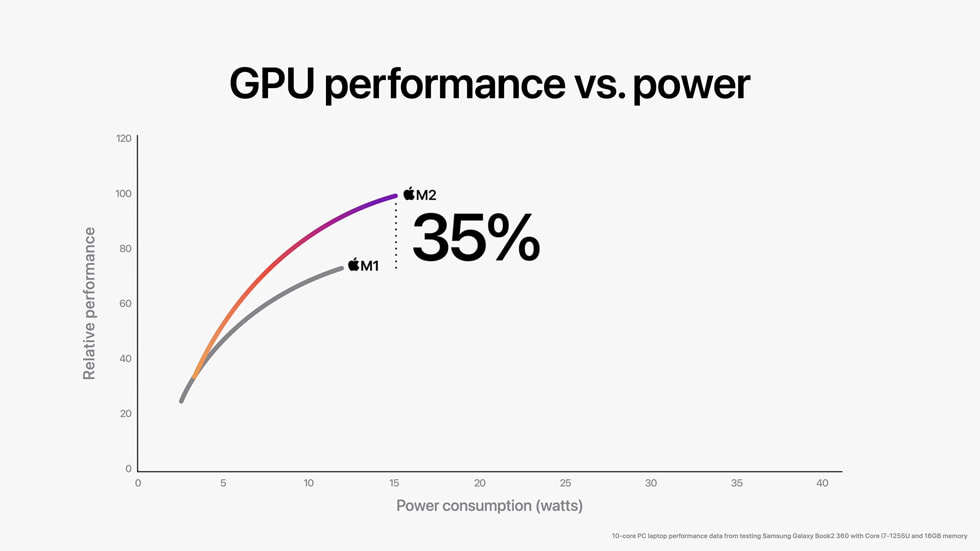
At its core, this new architecture delivers 40% better performance-per-watt compared to previous models, a leap that directly translates to lower operational costs and reduced energy demands. For data-intensive workloads—whether AI training or real-time analytics—the impact is immediate: fewer racks required for the same output, less cooling infrastructure needed, and a smaller carbon footprint per calculation.
The shift isn’t just about raw numbers; it’s about rethinking how these systems integrate into existing environments. Traditional setups often hit thermal walls, forcing compromises between performance and sustainability. This new standard flips that dynamic by embedding advanced heat dissipation directly into the hardware, ensuring stable operation even under sustained loads.

- Performance-per-watt: 40% improvement over prior generation
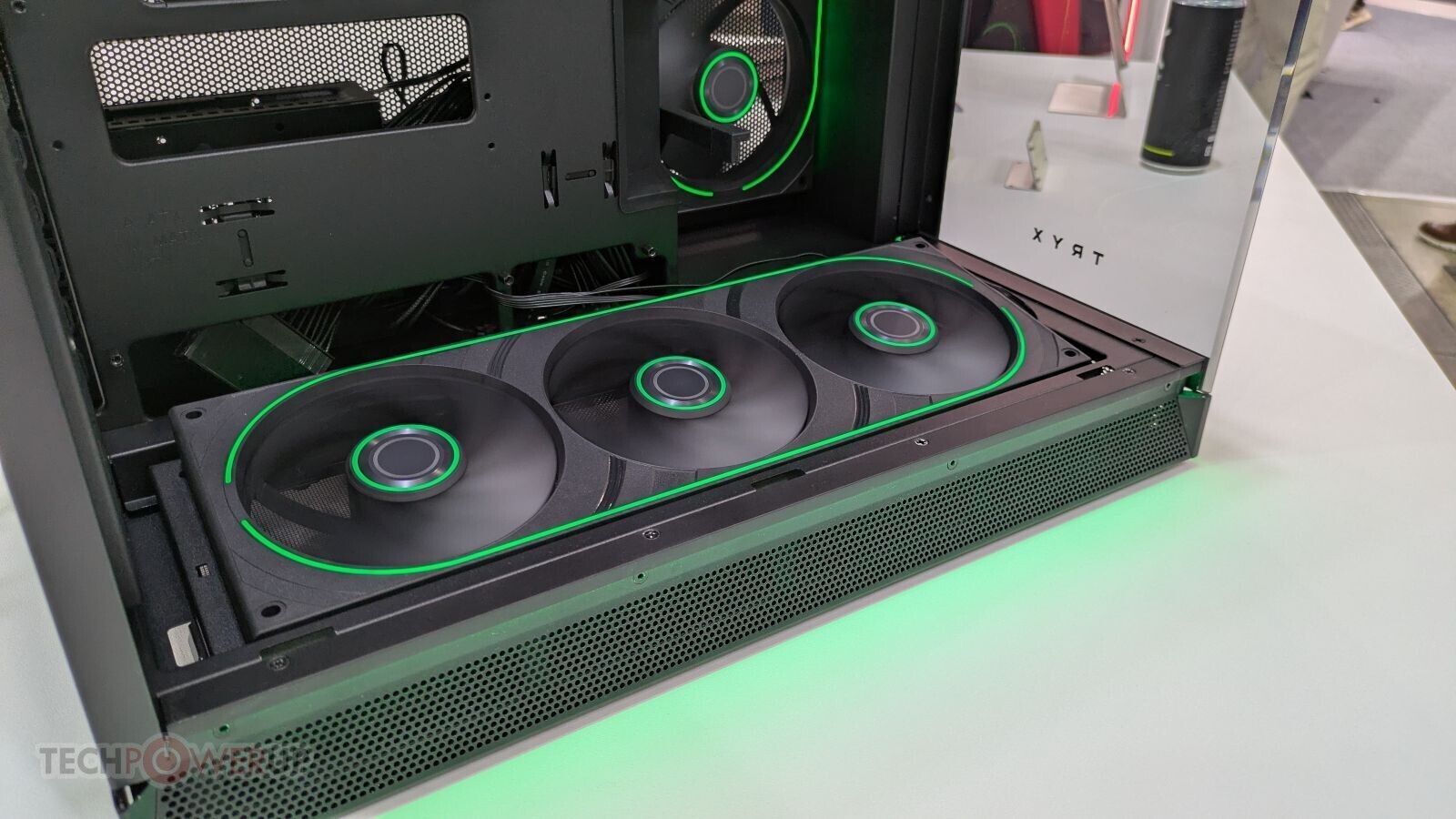
- Thermal management: Integrated cooling reduces ambient heat by up to 25%
- Use case: Optimized for AI inference, training, and large-scale data processing
- Availability: Now shipping with select partners in key markets
The implications ripple across the industry. For organizations running heavy AI workloads, this means the ability to scale without proportional increases in power draw or cooling costs. Early adopters report noticing a noticeable drop in server room temperatures during peak loads—a practical benefit that translates to longer hardware lifespans and fewer maintenance interruptions.
Yet challenges remain. While the efficiency gains are confirmed, long-term reliability under continuous high loads hasn’t been fully validated beyond initial benchmarks. The market will need to see real-world deployments to confirm whether these thermal promises hold at scale. For now, this new standard sets a clear benchmark: if you’re building or upgrading infrastructure for data workloads, the conversation around power and heat has fundamentally changed.