Unity’s latest AI push arrives at a moment when the industry is still grappling with how far artificial intelligence can realistically take game development. While Google’s recent Project Genie prototype left some developers questioning whether AI-generated worlds could ever rival handcrafted experiences, Unity’s CEO, Matthew Bromberg, insists his company’s approach will bridge the gap between concept and creation—at least for casual titles.
The engine giant announced during its Q4 earnings call that a beta version of its upgraded Unity AI tool will debut at the Game Developers Conference in March. The system promises to let developers describe a game in natural language and receive a fully functional prototype in return. Bromberg framed the technology as a way to lower barriers for non-coders, boost productivity for existing creators, and expand the pool of people who can build interactive experiences.
What developers might assume
- AI will soon replace traditional game engines entirely, offering perfect, polished games with minimal human input.
- Casual games—often dismissed as simple or low-effort—will become the first (and perhaps only) category where AI excels.
- Unity’s tool will outperform competitors like Google’s Project Genie, which struggled to produce anything beyond basic, flawed prototypes.
What’s actually changing
Unity’s AI focus is squarely on accelerating workflows, not replacing them. Bromberg clarified that the technology is designed to complement—not compete with—existing game engines. The emphasis on casual games isn’t a statement about their quality but a practical starting point: simpler mechanics and shorter development cycles make them ideal candidates for AI-assisted creation. That said, the company acknowledges the limitations. Early tests of similar AI tools, including Project Genie, have shown a tendency to produce clunky, unpolished results that require heavy manual refinement.
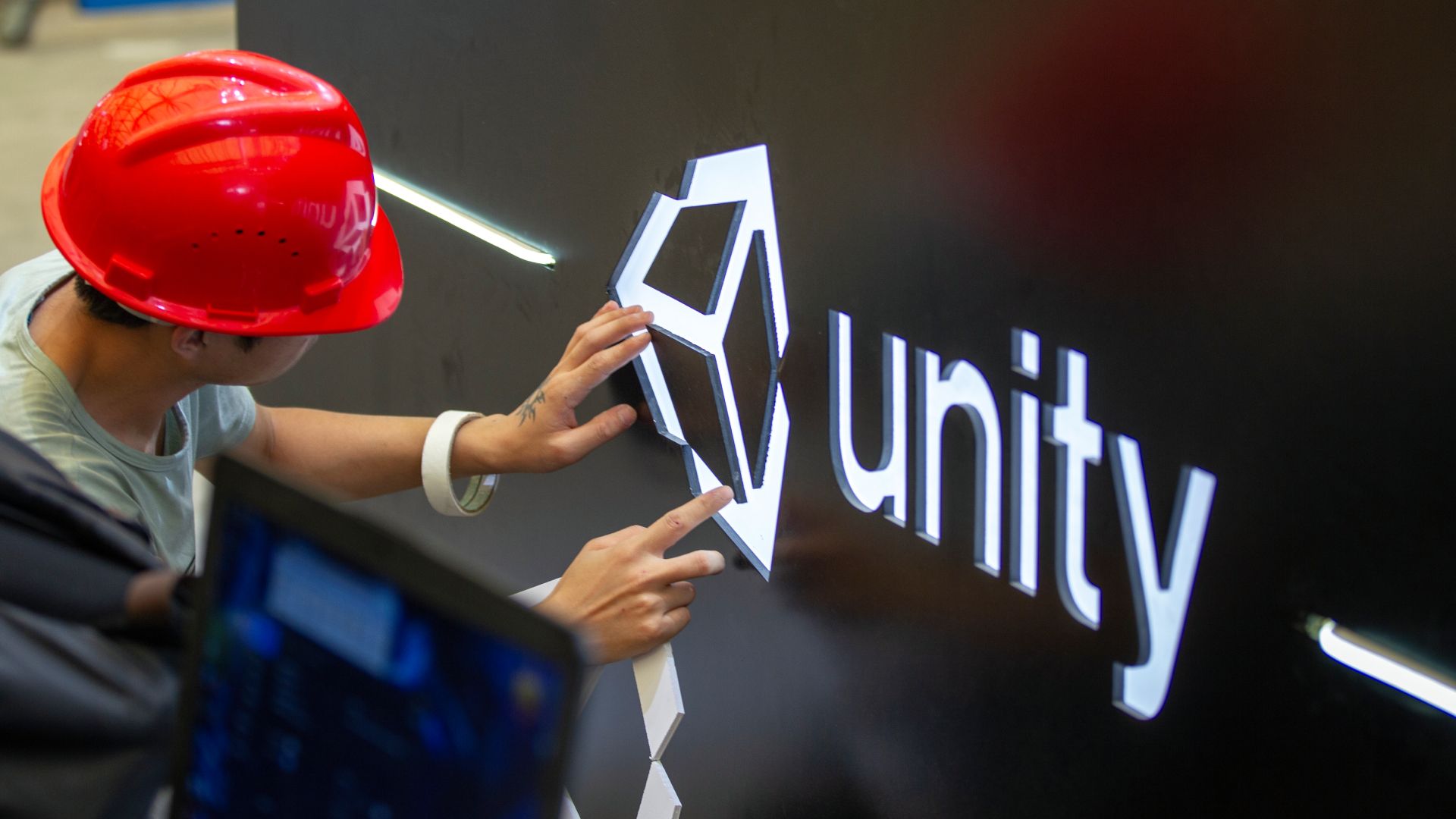
Unity’s long-term vision extends far beyond casual games. Bromberg envisions tens of millions of new creators entering the space, enabled by AI tools that democratize development. Yet the comparison to Electronic Arts’ 2024 claims—where CEO Andrew Wilson predicted 3 billion people would eventually create EA-style games—highlights the gap between ambition and feasibility. For now, Unity’s AI remains a work in progress, with the beta launch serving as a test of whether natural language prompts can truly translate into playable, engaging experiences.
What it means for developers
- If successful, Unity’s tool could reduce prototyping time for indie studios and solo developers, making it easier to iterate on ideas quickly.
- Casual game studios may see the biggest immediate impact, but broader adoption hinges on whether AI-generated assets can integrate seamlessly with existing engines.
- Skepticism remains high, particularly after Google’s Project Genie demonstrated how far AI-generated content is from being production-ready.
The stakes are high. Unity’s ability to deliver on its promises could redefine how games are made—or risk reinforcing the idea that AI in gaming is still more hype than reality.