Ubisoft's recent restructuring marks a pivotal moment in the gaming industry, reshaping how one of the sector's largest players allocates resources and prioritizes projects. The move, which includes the closure of studios in Winnipeg and Belgrade, along with significant layoffs at other locations, signals a deliberate shift toward streamlining operations and focusing on core franchises.
The company has framed these changes as part of a broader effort to simplify its organizational structure and reduce costs while maintaining a strong presence in key markets. This comes after a period of portfolio reviews that have led to difficult decisions about studio closures and workforce adjustments. While the exact number of employees affected remains under consultation, reports suggest up to 380 roles could be impacted, with studios in Barcelona and San Francisco also experiencing redundancies.
One notable aspect of this restructuring is the refocusing of activities at Ubisoft Barcelona, which may see its operations shifted toward Rainbow Six-related projects. This aligns with a trend observed in other major gaming companies, where development priorities are increasingly tied to high-value franchises or emerging market demands. The company has emphasized that these changes do not reflect on the talent or contributions of those affected but are necessary for long-term sustainability.
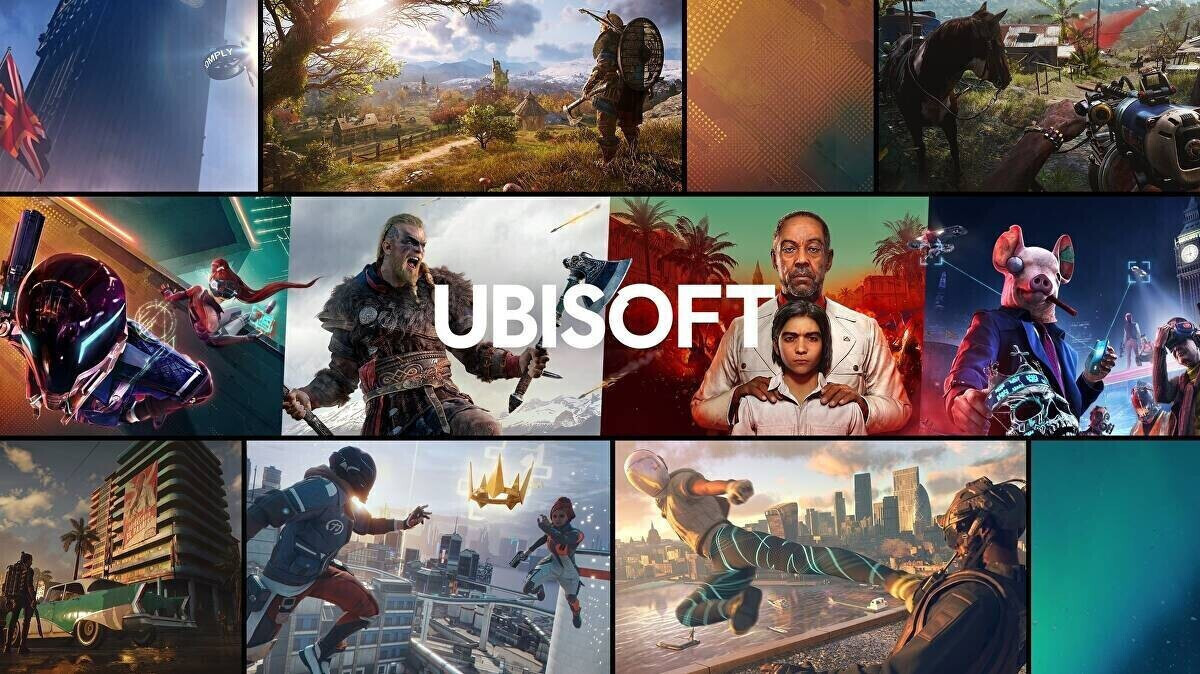
The implications for Ubisoft's development pipeline remain unclear, particularly regarding how this will impact upcoming titles and the studio's ability to innovate in a competitive landscape. However, the move underscores a broader industry trend where cost-cutting measures and strategic realignment are becoming standard practices rather than exceptions. For employees, local management teams are engaged to provide support and clarity during this transition.
As Ubisoft navigates this period of change, industry observers will be closely watching how these adjustments influence its portfolio and whether they translate into tangible benefits for the company's long-term growth. The focus on operational efficiency and market adaptation suggests a deliberate effort to position Ubisoft as a more agile and resilient player in an evolving gaming ecosystem.