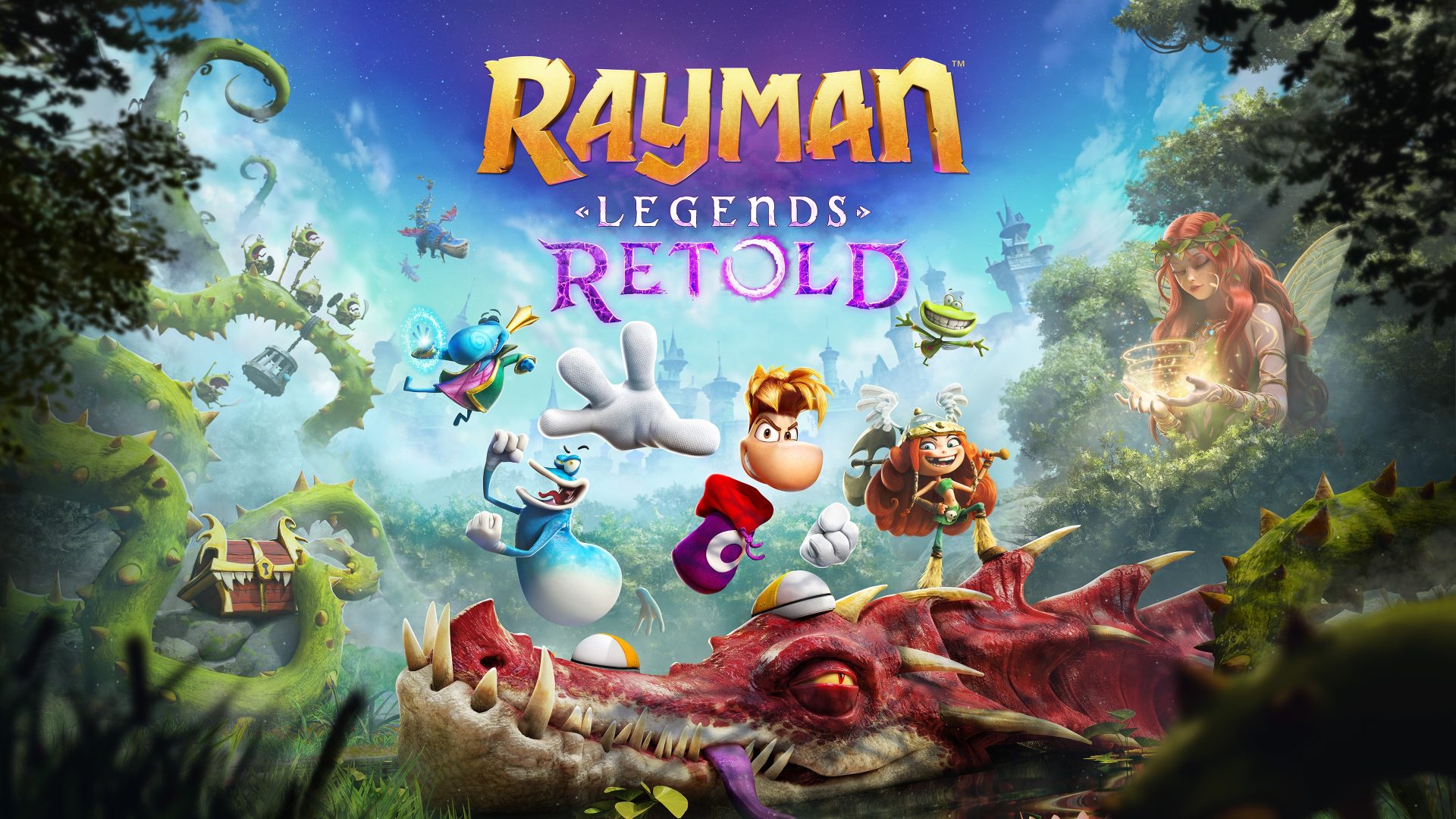
Ubisoft has announced a $40 remake of the 2013 game Rayman Legends, promising updated graphics, new gameplay elements, and a modernized experience. The move arrives at a time when platform updates often struggle to redefine a franchise without alienating its core audience.
The original Rayman Legends was celebrated for its fluid animations, vibrant art style, and tight platforming mechanics. This remake aims to build on that foundation with enhanced visuals, refined controls, and additional content layers. However, the $40 price tag—higher than the original’s launch cost—suggests a shift toward premium re-releases rather than casual accessibility.
Platform updates in this space often face a balancing act: delivering enough novelty to justify the cost while preserving the charm that made the original beloved. Ubisoft’s approach here leans heavily on visual upgrades, with promises of 'gorgeous' new environments and animations. Yet, without clear evidence of deeper gameplay innovation, the remake risks becoming a nostalgia play for long-time fans rather than an entry point for newcomers.
A practical example: the original game’s fluidity was a standout feature, making jumps and attacks feel weightless. If this remake retains that core while adding new mechanics—such as expanded level design or adaptive difficulty—the value proposition strengthens. But if it relies solely on graphical enhancements, the $40 price may feel disproportionate.
Comparatively, recent platform updates in gaming have shown mixed success when charging premium prices for remakes. Some, like Crash Bandicoot 4: It Live and Reloaded, successfully merged old and new elements to justify higher costs. Others, however, struggled to differentiate themselves enough from the originals.
The remake’s rollout is expected later this year, with no immediate details on platform availability beyond standard digital storefronts. Its success will hinge on whether Ubisoft can bridge the gap between visual spectacle and gameplay substance—a challenge that many premium re-releases have yet to solve satisfactorily.