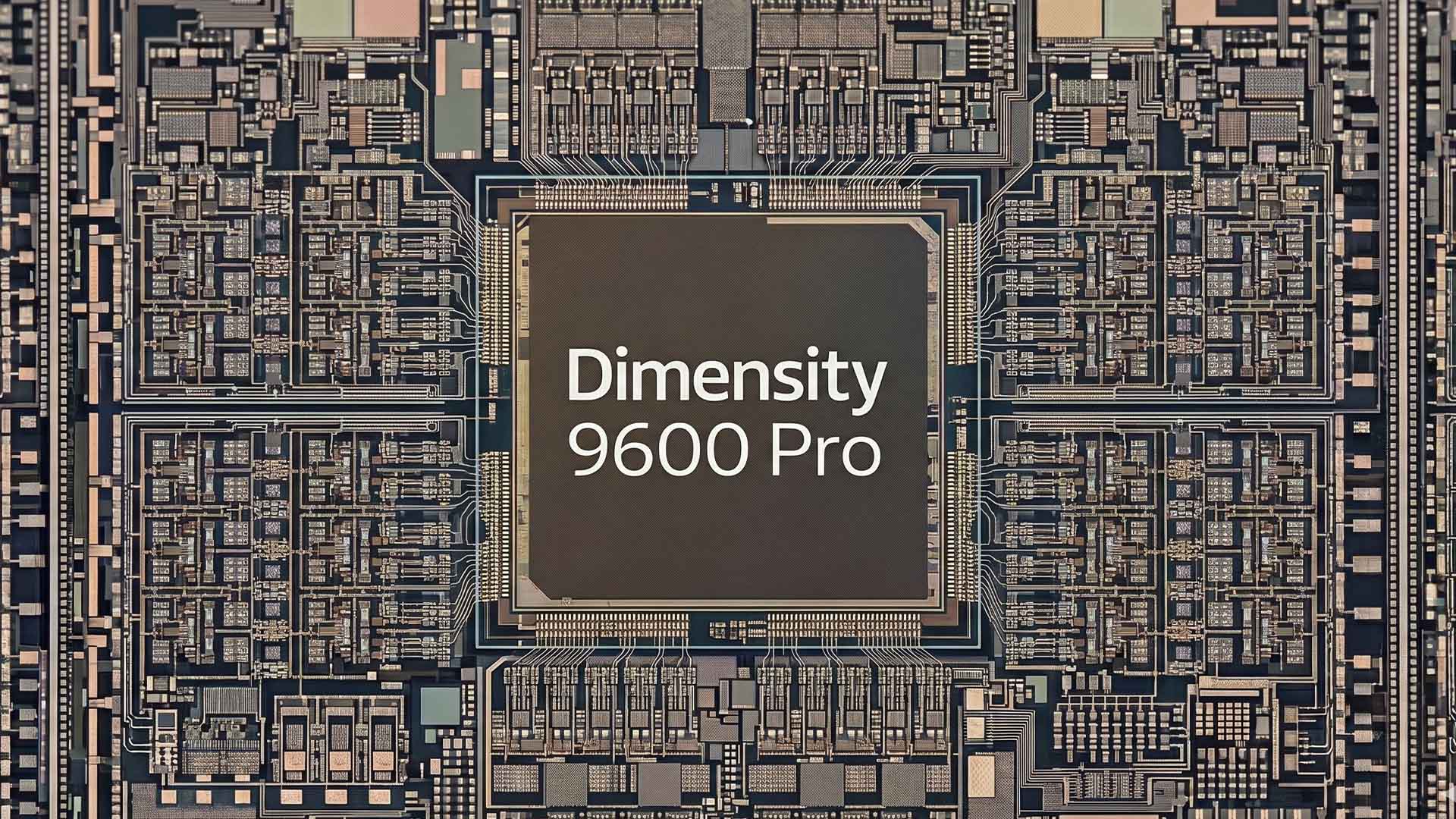
TSMC's introduction of its advanced 2nm N2P process has disrupted the chipmaking landscape, forcing one major player in the mobile SoC market to reconsider its manufacturing strategy. While TSMC's newer node offers performance advantages—such as higher CPU frequencies and improved efficiency—the associated costs have become a significant hurdle, particularly for high-volume manufacturers like Qualcomm or MediaTek.
The 2nm N2P process, designed to push computational boundaries, has already been secured by key industry players. However, its premium pricing is reportedly pushing at least one of these firms toward Samsung's competing 2nm GAA node. This shift, if realized, would mark a notable pivot in manufacturing strategies, especially given the long-standing dominance of TSMC in advanced semiconductor production.
Speculation points to Qualcomm as the likely candidate for this transition, given its historical interest in diversifying supply chains to mitigate costs. MediaTek, while also facing economic pressures, has not been mentioned in earlier reports suggesting a similar move. The decision hinges on balancing performance demands with manufacturing expenses; TSMC's N2P node is estimated to cost significantly more than its alternatives, potentially adding up to $280 per unit for Qualcomm's flagship offerings.
Samsung's 2nm GAA process, though less mature in adoption, presents an alternative path. It has already been evaluated by Qualcomm, which reportedly tested samples of the Snapdragon 8 Elite Gen 5 on this node. The potential alliance between Qualcomm and Samsung would not only address cost concerns but also reinforce Qualcomm's strategy of dual-sourcing to maintain competitiveness in a rapidly evolving market.
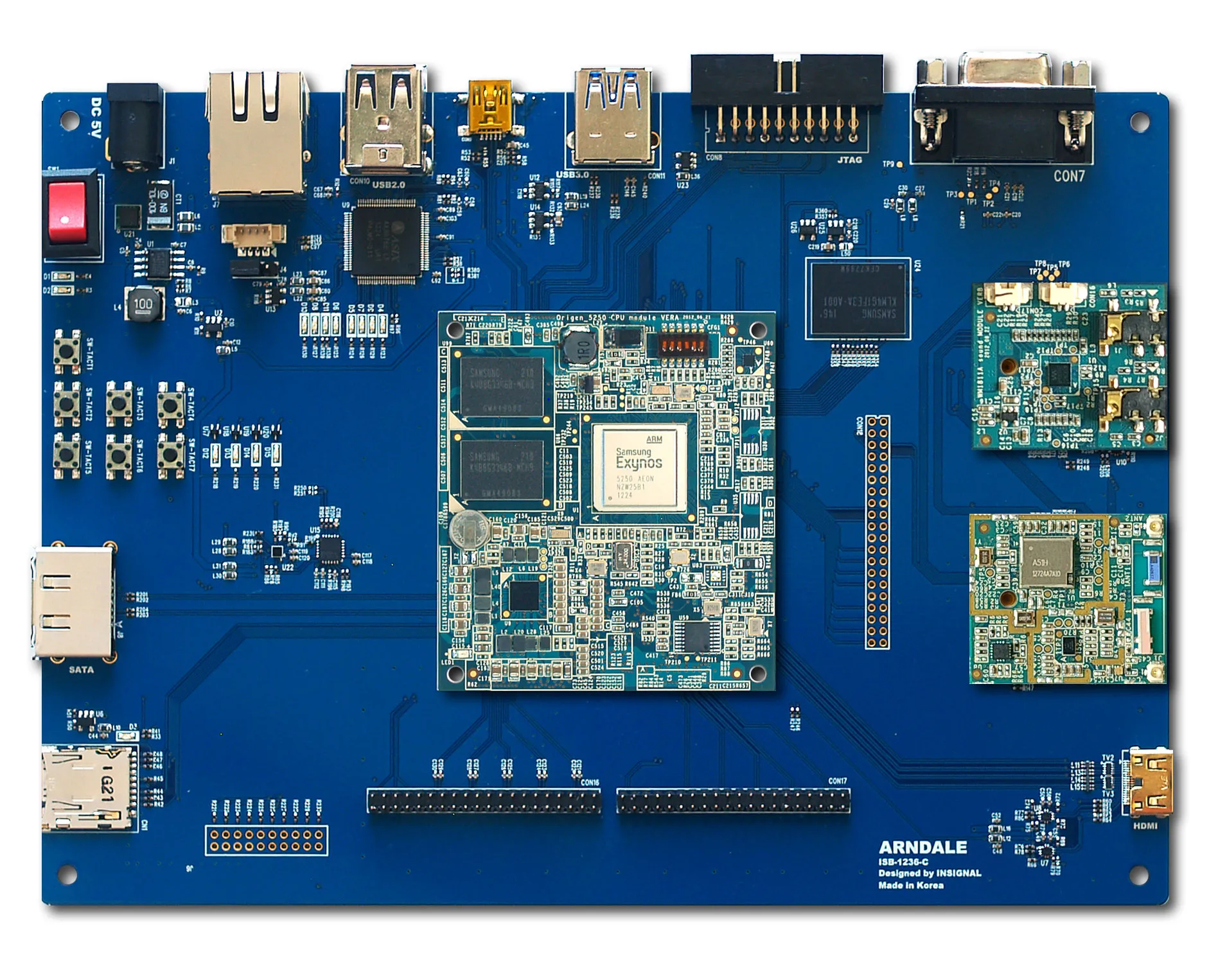
Apple, meanwhile, appears poised to continue leveraging TSMC's N2P process for its upcoming generations, leaving room for other players to explore alternatives. This dynamic underscores the growing complexity of semiconductor supply chains, where cost efficiency and technological edge are increasingly intertwined.
The implications of such a shift extend beyond pricing. Samsung's 2nm GAA node could offer unique advantages in power efficiency or thermal management, potentially influencing the design of next-generation mobile processors. However, whether Qualcomm will execute this transition remains uncertain, as industry timing and technical readiness play crucial roles.
For now, the focus remains on TSMC's N2P process, which is expected to underpin some of the most advanced mobile SoCs in 2026. Its adoption by major players like Apple signals its critical role in shaping next-gen performance standards. Yet, the rising costs and supply constraints highlight a broader trend: manufacturers are recalculating their strategies to navigate an increasingly complex and expensive semiconductor ecosystem.
Quick take: The potential shift of a major chipmaker from TSMC's 2nm N2P to Samsung's GAA node reflects deeper tensions in the industry—balancing innovation with cost, supply chain resilience with technological leadership. Whether this move materializes will offer early clues about how semiconductor giants are adapting to the new economic realities of advanced process nodes.