The ZeroWriter Fold stands out as the first laptop built explicitly for writers who want to keep their work free from AI influence. It is not a device that aims to replace traditional writing tools but rather one that reinforces the idea of human creativity without digital interference.
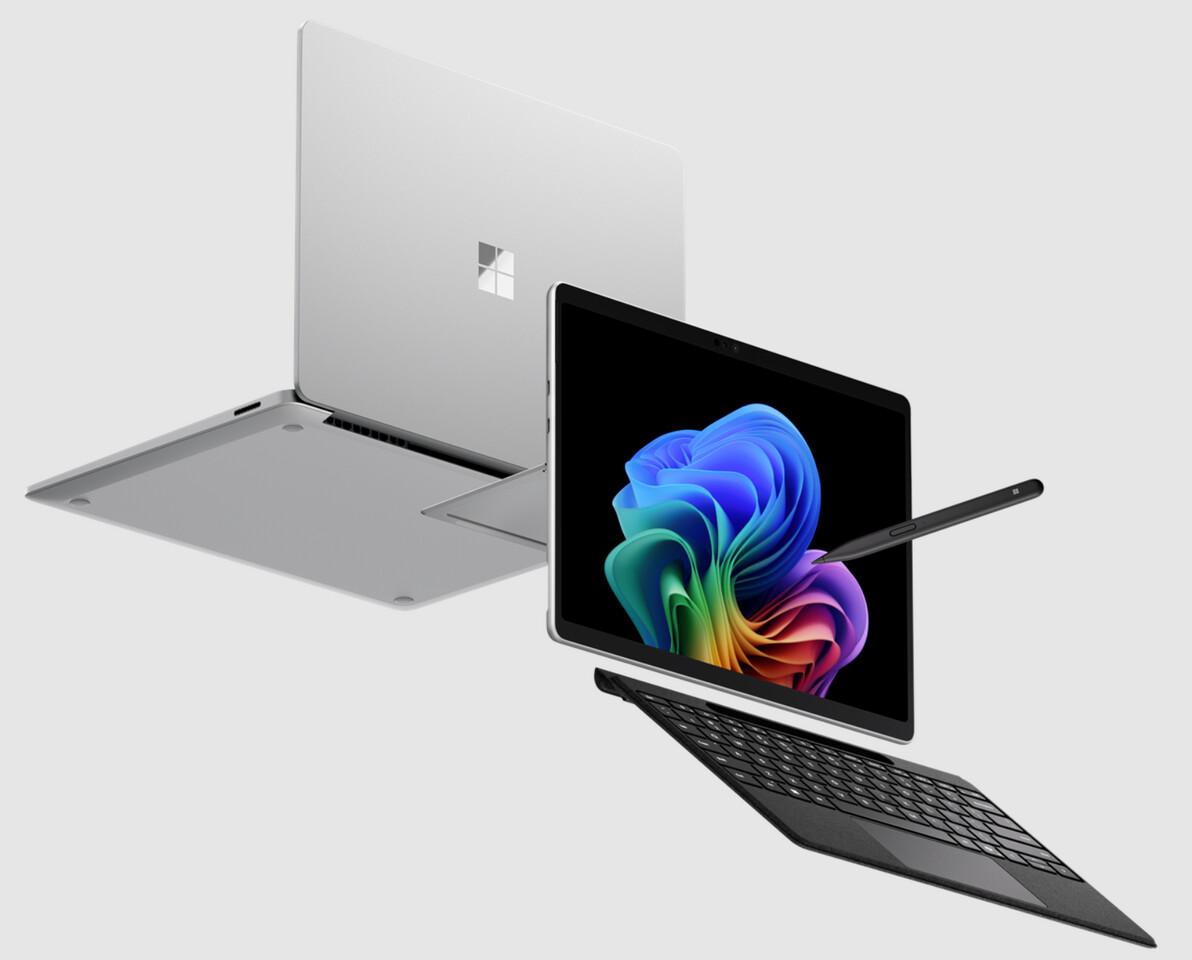
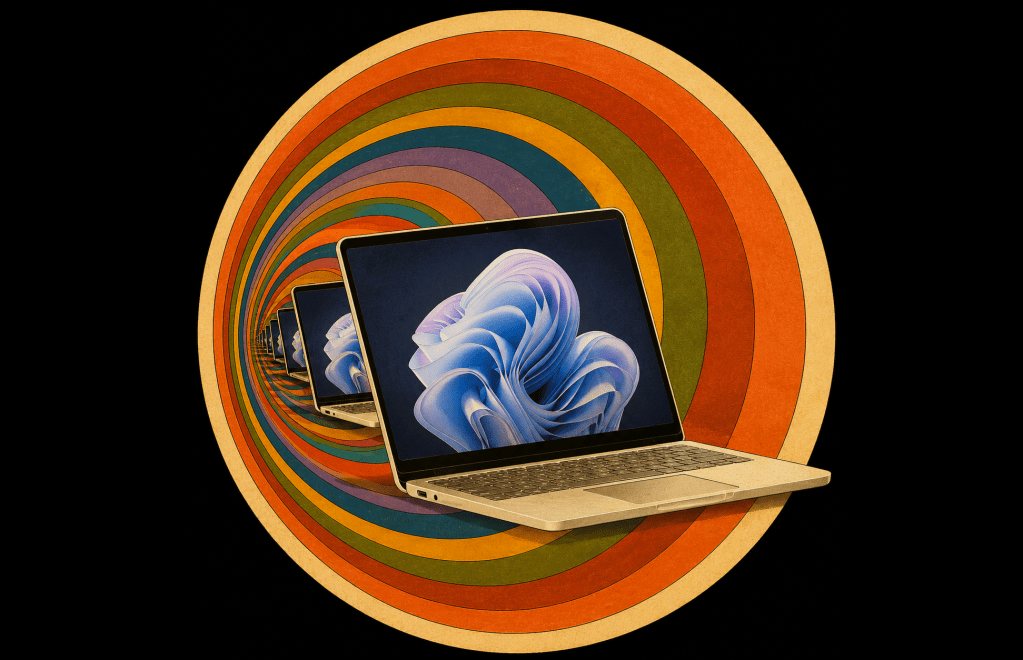
This device is equipped with a 14-inch touchscreen display, which supports both pen and finger input. Under the hood, it runs on an Intel Core Ultra processor paired with 8 GB of LPDDR5X RAM and 256 GB of storage. The design is sleek, with a foldable form factor that allows it to function as both a laptop and a tablet. However, its most notable feature—or lack thereof—is the absence of AI assistance.
In an era where AI tools are increasingly integrated into productivity software, the ZeroWriter Fold’s approach feels deliberate. It does not offer AI-powered writing suggestions, grammar checks, or even basic text generation. Instead, it provides a distraction-free environment with minimal software bloat. This could appeal to writers who prioritize focus over advanced features.
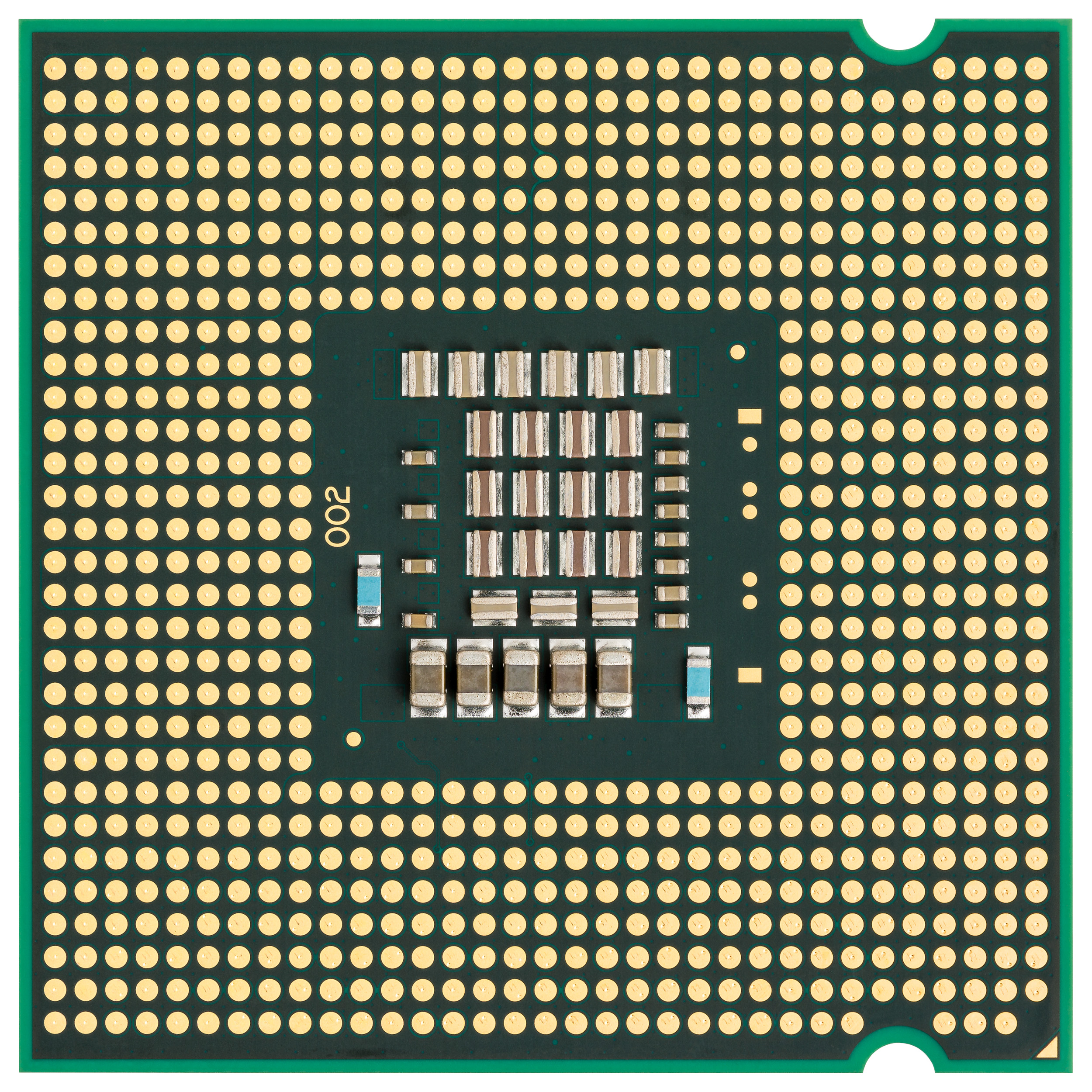
The laptop’s specifications are solid for its intended use case. The Intel Core Ultra processor ensures smooth performance, while the 8 GB of RAM and 256 GB of storage provide ample capacity for most writing tasks. However, the lack of AI integration means it may not appeal to users who rely on these tools for efficiency or creativity.
One question that arises is whether this device will find a viable market. Writers who are deeply invested in traditional methods might embrace it, but those accustomed to AI-assisted workflows could see it as outdated. Its foldable design adds versatility, but the absence of AI could limit its broader adoption.
The ZeroWriter Fold represents an interesting experiment in technology: can a laptop succeed without embracing the trends that define modern computing? For now, it remains a niche product, but its existence challenges the assumption that AI integration is necessary for productivity. Whether it will gain traction or remain a curiosity depends on how writers value human creativity over digital assistance.