The Witcher 3 isn’t just a game—it’s a living ecosystem. Nine years after its release, it remains the gold standard for narrative-driven RPGs, its world still breathing through community mods, official patches, and a fanbase that treats Geralt’s story like an ongoing saga. Now, insider leaks and studio behavior suggest CD Projekt Red is preparing to rewrite the rules for post-launch support with a long-awaited DLC. If executed well, it could force the entire industry to reconsider how it monetizes and expands on its back catalog.
This isn’t just about adding content to an old game. It’s about proving that a decade-old AAA title can still justify new development—without alienating players or cannibalizing its own legacy. The implications ripple across gaming’s biggest franchises, from Elden Ring to Red Dead Redemption 2*, where studios have hesitated to invest in expansions for fear of backlash or diminished returns. A *Witcher 3 DLC wouldn’t just be a financial play; it could be a blueprint for how to keep a franchise alive across generations.
Where This Fits in the Ecosystem
The gaming industry has long treated post-launch content as an afterthought. Remasters, re-releases, and minor updates have dominated the space, but few studios have dared to commit to major expansions for games older than five years. CD Projekt Red’s potential move with The Witcher 3 would mark a shift—not just for the franchise, but for the entire platform ecosystem. Here’s how
- Windows & PC Gaming: A DLC would reinforce PC as the platform for long-term support, where modding communities and official updates thrive. Unlike consoles, PC allows for iterative expansion without hardware limitations.
- Next-Gen & Backward Compatibility: If the DLC includes optimizations or new features, it would push other studios to invest in updating older titles for modern hardware, ensuring they remain viable years after launch.
- Subscription & Service Models: A successful expansion could influence how games like The Witcher integrate with platforms like Xbox Game Pass or GOG, where recurring revenue relies on keeping titles fresh.
- Cross-Platform Synergy: With Cyberpunk 2077 now available on multiple platforms, a Witcher 3 DLC would test how well expansions can bridge PC and console audiences without fragmentation.
The studio’s recent acquisitions—like GOG—and its handling of Cyberpunk 2077*’s VR modding controversy signal a deliberate push toward player-centric development. A DLC would align with this strategy, offering both a narrative bridge to *The Witcher 4 and a financial incentive to keep the community engaged. For players, it’s about closure on unresolved story threads; for CD Projekt Red, it’s about proving that a single franchise can sustain an entire studio’s future.
What This DLC Could Actually Deliver
Previous Witcher expansions—*Hearts of Stone* and Blood and Wine*—were praised for their ability to expand the world without feeling like filler. A third DLC would need to do the same, but with the added pressure of delivering something fans have waited nearly a decade for. Based on leaks and fan theories, here’s what it might include
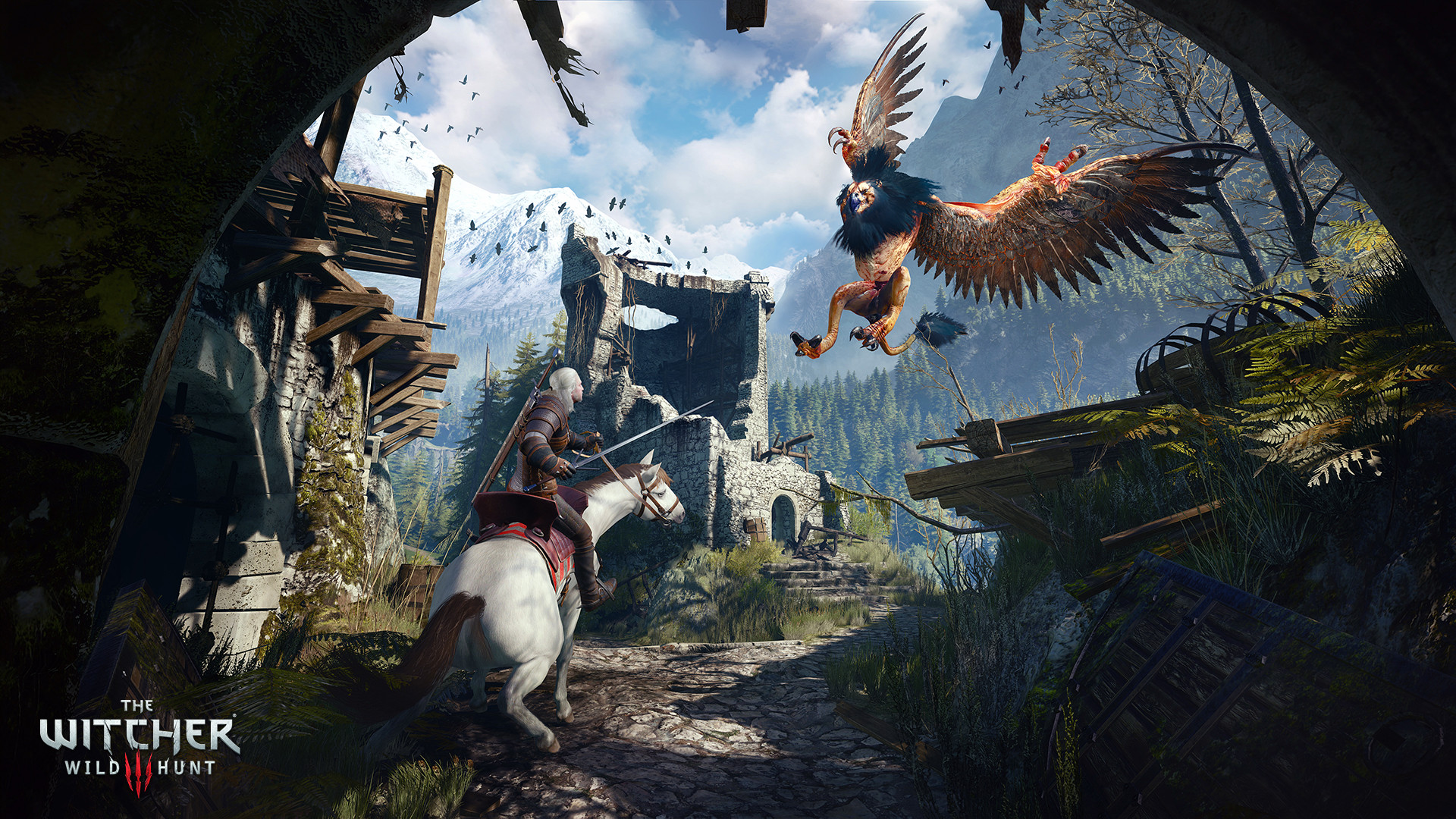
- A Unified Ending: The original game’s multiple conclusions left fans divided. A DLC could offer a definitive narrative resolution, tying up loose ends while expanding on the lore of the White Wolf and the Continent’s fate.
- New Playable Regions: Locations like the forgotten corners of Skellige or the untouched lands of the North could return, complete with unique questlines and environmental storytelling.
- Multiplayer Modes: Fan-made online modes like *Witcher 3: Arena or Witcher 3: Online could be officially integrated, introducing co-op dungeons, PvP battles, or even a full-fledged MMO-lite experience.
- Technical Reworks: Modern optimizations—such as a revamped fast-travel system, dynamic weather, or even a full 60 FPS overhaul—could make the game feel fresh on next-gen hardware.
- Story Teases for The Witcher 4*: The DLC could serve as a narrative bridge, hinting at the next game’s events while giving players a reason to stay invested in the world.
What sets this apart from past expansions is the potential for it to be a hybrid of content and community-driven development. If CD Projekt Red incorporates fan feedback—such as requests for more monster-hunting mechanics or deeper crafting systems—it could set a new standard for player collaboration in AAA titles.
A Blueprint for the Industry?
The gaming industry has been slow to adopt post-launch expansions for older titles, fearing backlash or diluted returns. *Skyrim*’s *Creation Club and Elden Ring*’s *Shadow of the Erdtree proved that players will pay for new content—but only if it feels essential. A Witcher 3 DLC could change that calculus by demonstrating that even a nine-year-old game can justify a major investment.
For other studios, the takeaway is clear: if CD Projekt Red can make a Witcher 3 DLC work, why can’t Red Dead Redemption 2 get an official expansion? Why can’t Elden Ring introduce new bosses and areas without requiring a sequel? The financial risks are offset by the potential rewards—a dedicated player base willing to pay for meaningful updates, not just cosmetic microtransactions.
Of course, risks remain. A poorly executed DLC could reinforce the idea that post-launch content is often an afterthought. But given CD Projekt Red’s track record—where Blood and Wine was critically acclaimed and Cyberpunk 2077*’s VR modding controversy was met with surprising transparency—the studio is uniquely positioned to pull this off. If they succeed, it could open the door for a new era of gaming, where beloved titles aren’t left to gather dust but instead evolve alongside their communities.
The question isn’t *if this DLC will happen, but how it will redefine what players expect from their favorite games. With The Witcher 4 still on the horizon, now is the time for CD Projekt Red to prove that a franchise can thrive across decades—not just as a relic of the past, but as a living, breathing world.