A month of daily VR workouts has reshaped the way one tech journalist approaches fitness, blending gaming with high-intensity exercise in a way that traditional gyms never could. The results? A lighter waistline, a newfound love for movement, and a question: Can this lifestyle last once the experiment ends?
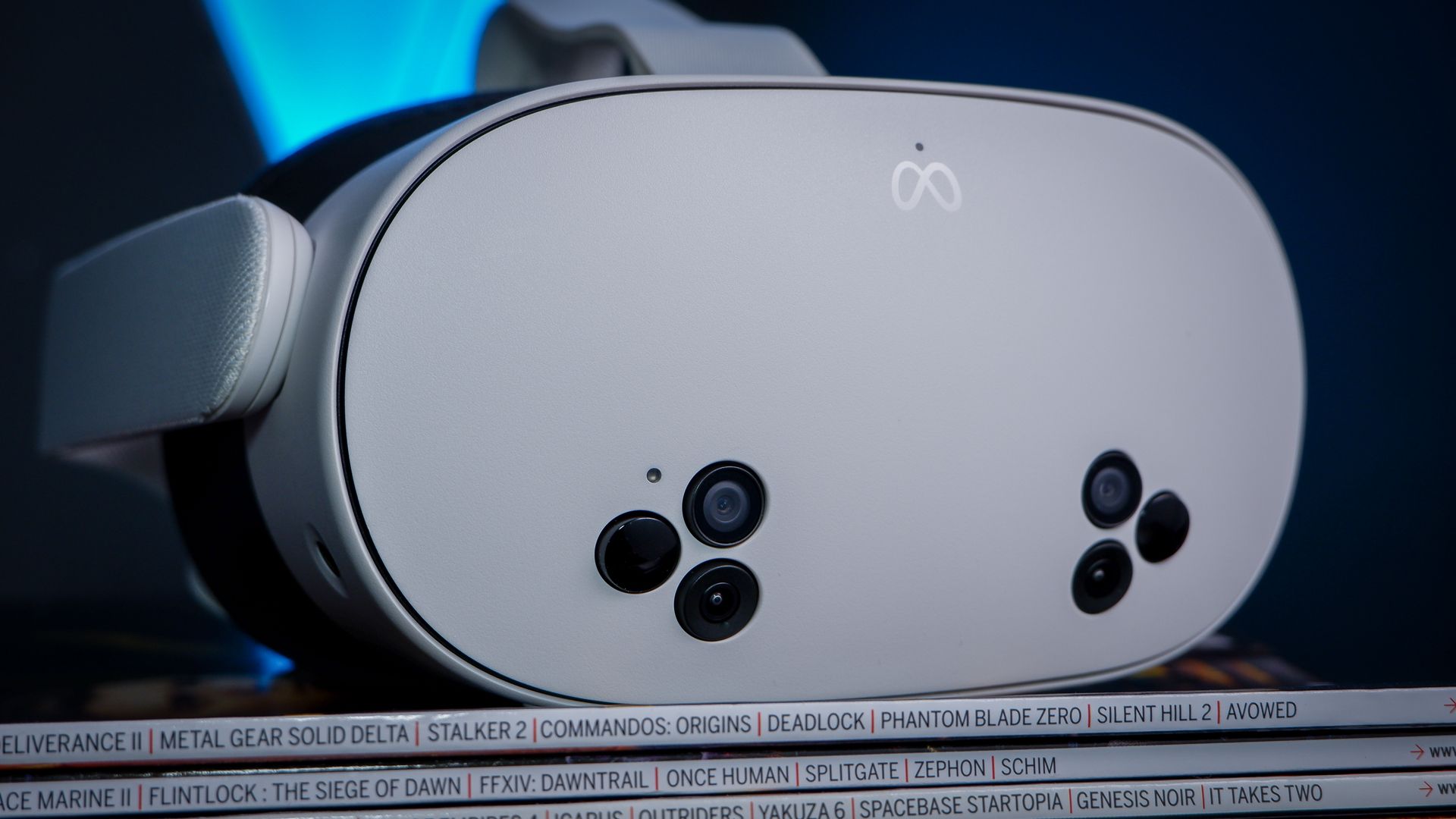
The setup was simple: 25 minutes of VR exercise daily, tracked only by an Apple Watch’s exercise ring—no manual logging, no excuses. The tools? A Meta Quest 3 headset, a rotation of fitness apps, and a stubborn refusal to let boredom win.
From Zero to 30 Days: The VR Fitness Formula
Day one began with a misstep—no watch, dead controllers, and a cold that made even standing feel like a chore. But by day three, the habit stuck. The key? Apps like FitXR, which turns boxing and HIIT into a game with holographic trainers that feel eerily lifelike. Meanwhile, Beat Saber became an unexpected cardio machine, its rhythm-based swordplay demanding enough movement to hit daily goals effortlessly. A third app, Synth Riders, rounded out the rotation with dance-based workouts that felt more like play than exercise.
Sweat was inevitable—headset straps grew damp, and readjustments became part of the routine. But the discomfort faded quickly. By day nine, a HIIT session left legs trembling and pride swelling. The challenge wasn’t motivation; it was time. Unlike a gym, VR exercise could be done in 20-minute bursts between tasks, with mixed reality (MR) modes letting users watch TV or chat while the headset stayed on.
More Than Just Movement: The Ripple Effects
The physical changes were measurable: six or seven pounds lost, easier climbs up steep hills, and a newfound craving for protein over snacks. But the real shift was psychological. Exercise no longer felt like a chore—it became a game with tangible rewards. Even the $100 bills mode in Beat Saber, a punishing Expert+ challenge, became a benchmark for progress.
Yet challenges remained. Sharing a small apartment meant VR workouts had to coexist with a partner, requiring creative solutions like MR mode to avoid hogging space. And without the accountability of this experiment, would the habit fade? The jury’s still out—but the foundation is there.
Can VR Replace the Gym?
For now, VR isn’t a full replacement for traditional exercise. It lacks the social aspect of a gym or the outdoor variety of running. But as a supplement—or even a primary tool for some—it’s undeniably effective. The Quest 3’s portability, standalone nature, and growing library of fitness apps make it a compelling alternative for those who dread the gym’s monotony.
One thing is certain: the headset is no longer collecting dust. Whether that translates to long-term habit change remains to be seen. But for the first time in years, movement feels effortless—and that’s a victory worth celebrating.