In the competitive world of smartphones, thin and lightweight designs often grab attention, but not all make it to market. Xiaomi’s canceled 17 Air project is one such example—a device that would have pushed the boundaries of slimness before being quietly shelved.
The 17 Air was poised to enter a niche carved by Apple’s iPhone Air, which struggled to gain traction despite its ultra-thin profile. Xiaomi’s version, however, aimed to refine the concept further, with a chassis measuring just 5.5mm in thickness—0.1mm slimmer than its counterpart. This level of precision in engineering is rare, especially when balanced against practical considerations like battery life and durability.
While details about the device remain scarce, reports suggest it would have featured a 6.59-inch display housed in matte glass, with a camera module that incorporated metallic accents for both aesthetics and functionality. Under the hood, speculation points to a Snapdragon 8 Elite Gen 5 processor, a battery capacity under 6,000mAh, and a 200MP main camera—specifications that hint at high performance despite its slender form factor.
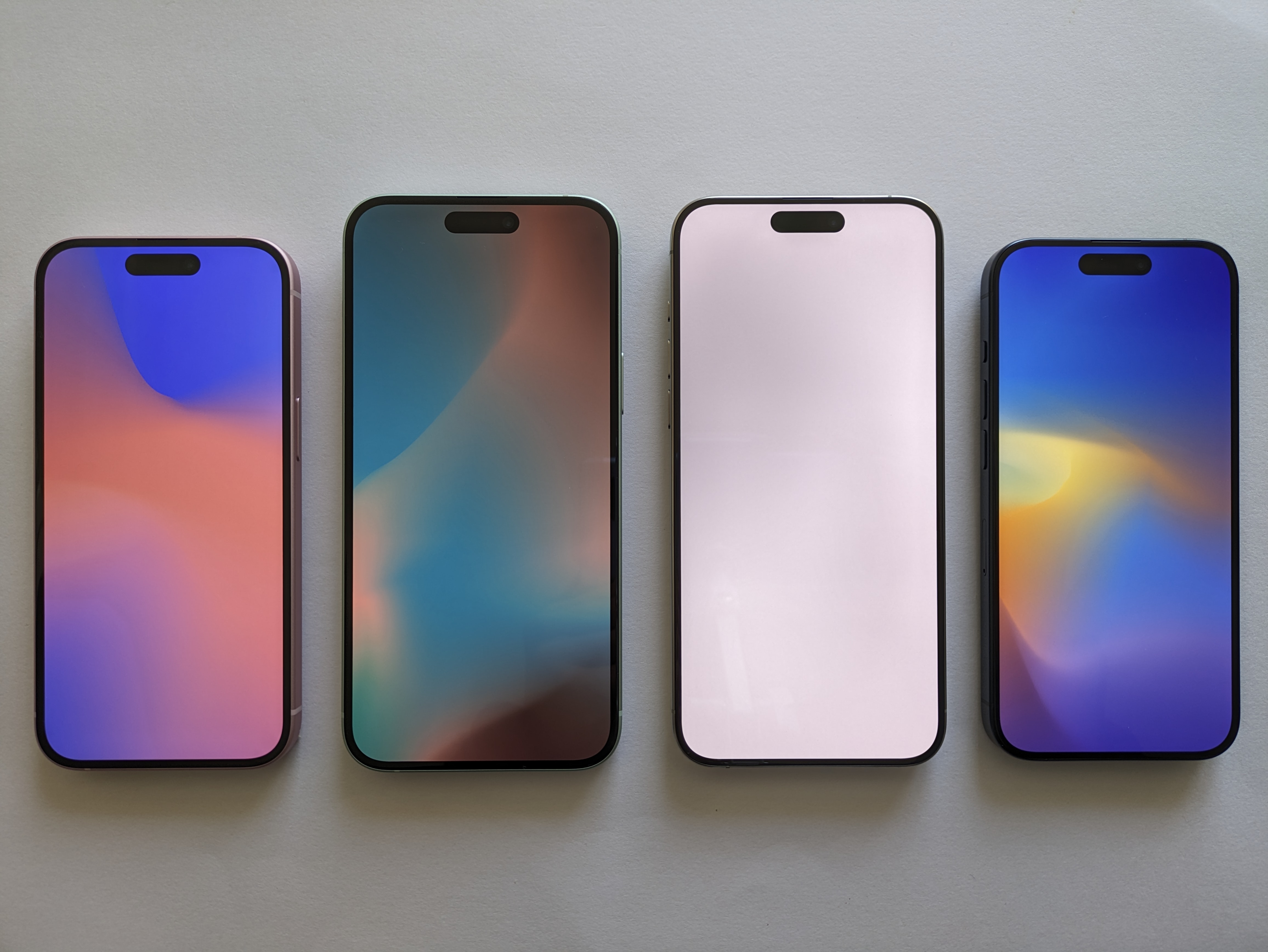
The decision to scrap the project likely stems from market feedback, particularly after the iPhone Air’s underwhelming sales. Competitors in China reportedly followed suit, prioritizing more practical designs over extreme thinness. For Xiaomi, this represents a shift toward devices that balance innovation with real-world usability, leaving behind a prototype that could have redefined what’s possible in smartphone engineering.
Though the 17 Air will never reach consumers, its existence underscores the fine line between pushing technological limits and meeting market demands. It serves as a reminder that even the most promising concepts can be shelved when the conditions aren’t right—leaving behind a legacy of what might have been.