Wildlight Entertainment’s Highguard, a free-to-play first-person shooter from the developers behind Titanfall* and Apex Legends, arrived in January with a launch that defied expectations—at least on paper. Within its first hour, the game hit 97,000 concurrent players on Steam, a strong start for any title. Yet by the time the dust settled, the studio had laid off most of its team, and the game’s reception had spiraled into a case study in how pre-launch narratives can bury a project before it even begins.
The story begins with a single trailer at The Game Awards. What was intended as a showcase for Highguard’s fast-paced, raid-focused combat became, in the eyes of many players and creators, a symbol of everything wrong with modern FPS marketing. The backlash was immediate: negative previews flooded social media, comparisons to failed shooters like Concord 2 dominated discussions, and by launch day, Steam reviews were already drowning in one-star verdicts from players who hadn’t even finished the tutorial.
Josh Sobel, a technical artist on Highguard who was laid off in the fallout, framed the collapse as a perfect storm of misinformation and tribalism. The trailer’s reception wasn’t just criticism—it was a coordinated dismissal, he argued. Content creators, hungry for engagement, latched onto the narrative that Highguard was a corporate cash grab or a rehashed Titanfall clone, regardless of whether the game’s actual design supported those claims. Sobel pointed to how his own celebratory posts about the project were met with harassment, including mockery over his autism disclosure in his bio—a detail strangers framed as proof the game was woke trash.
Key Takeaways: The Trailer Effect
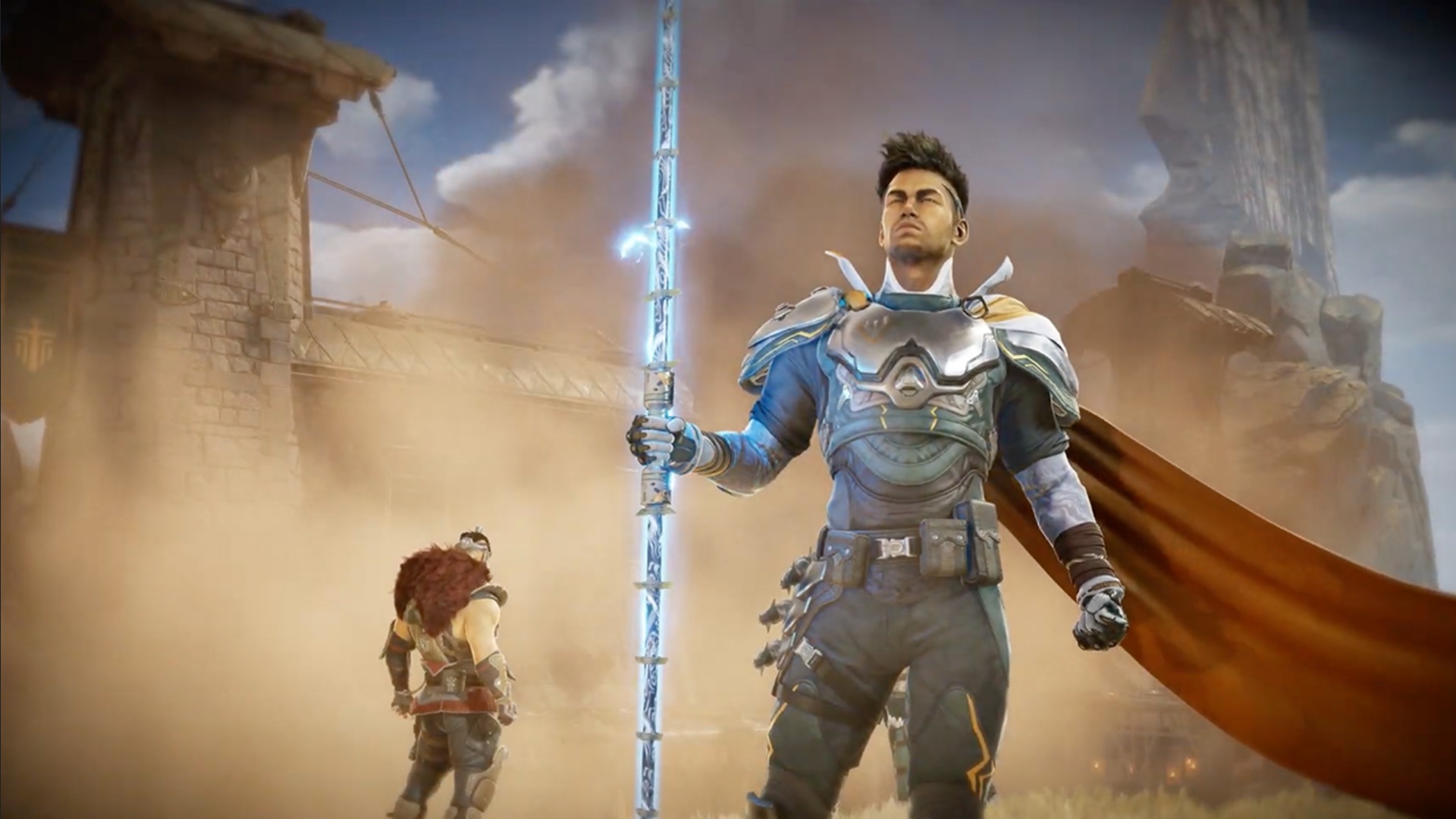
- Trailer as a Litmus Test: The Game Awards presentation wasn’t just a marketing asset—it became a verdict. Within minutes of release, the game was labeled a failure by creators and players who hadn’t played it, let alone understood its mechanics.
- Review Bombing Before Launch: Highguard received over 14,000 negative reviews on Steam within hours of release, many from users who spent less time in-game than it takes to read the tutorial.
- Developer Response: Wildlight’s CEO acknowledged the trailer’s shortcomings in a public statement, admitting it failed to highlight the game’s unique loop—though the damage was already done.
- Studio Collapse: Barely two weeks after launch, most of Wildlight’s team was laid off, with Sobel calling the studio’s downfall gleefully manifested by an online culture that rewards outrage over exploration.
The irony, Sobel noted, is that Highguard’s core design—a raid-focused shooter with no microtransactions beyond cosmetics—wasn’t inherently flawed. The issue wasn’t the game itself, but the assumption that it had to be flawed. Players and creators, primed by years of fatigued reactions to free-to-play shooters, treated the trailer as gospel. As Sobel put it: Innovation is on life support. When a new IP fails to instantly click with an audience conditioned to dismiss anything unfamiliar, the result isn’t just bad reviews—it’s a death sentence before the first bullet is fired.
For developers watching, the lesson is clear: in an era where a single viral take can make or break a launch, the stakes for trailers aren’t just about hype—they’re about survival. Highguard*’s story may be the canary in the coal mine for how far the industry will let pre-launch bias dictate a game’s fate.
The game remains available on Steam, though its future at Wildlight is uncertain. No official word has been released on whether development will continue or if the studio will pivot to other projects.