Taiwan’s factories have long been synonymous with global electronics—supplying everything from microchips to high-precision connectors. Now, those same lines are being repurposed for a different kind of machine: Tesla’s Optimus humanoid robot.
The transition is already underway, with key Taiwanese suppliers, known for their work in consumer devices and computing hardware, gearing up to produce components tailored for the Optimus platform. This shift isn’t just about manufacturing new parts; it’s a fundamental rethinking of how precision engineering serves next-generation automation.
What makes this development notable is its ripple effect on PC builders. The Optimus project demands a level of mechanical and electrical integration that pushes beyond traditional consumer hardware. For example, the robot’s requirement for high-precision actuators and low-latency sensors means suppliers are having to balance cost, durability, and performance in ways that mirror the challenges faced by high-end GPU and CPU manufacturers.
The timeline for mass production remains tight, with Tesla aiming for a rapid scaling of manufacturing. This has forced suppliers to make tough engineering tradeoffs—whether to prioritize speed over precision, or to invest in dual-use tooling that can handle both consumer electronics and robotic applications. For PC builders, the implications are twofold: first, they may see a surge in components designed with robotics in mind, potentially altering upgrade cycles; second, the pressure on supply chains could lead to temporary shortages of certain parts.
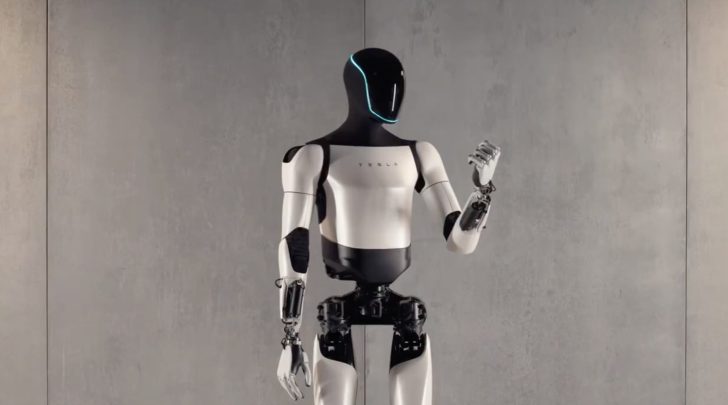
One of the most significant changes is the shift toward more modular designs. Unlike traditional PC hardware, which often follows standardized form factors, the Optimus requires custom solutions that can be adapted for different robotic applications. This flexibility comes at a cost—higher R&D expenses and longer lead times for suppliers—but it also opens doors for innovation in areas like thermal management and power distribution.
For now, the focus is on ramping up production capacity. Taiwanese manufacturers are investing in new equipment and retraining workers to meet Tesla’s demands. The result? A supply chain that is becoming increasingly specialized, with fewer generalists and more niche players. This could be a double-edged sword for PC builders: while it may lead to more efficient, high-performance components, it also risks fragmenting the market.
Ultimately, the Optimus project is a test case for how far Taiwan’s precision industry can stretch its expertise beyond traditional computing hardware. If successful, it could set a new benchmark for engineering tradeoffs in automation—one that PC builders will need to watch closely as they navigate their own upgrade cycles.