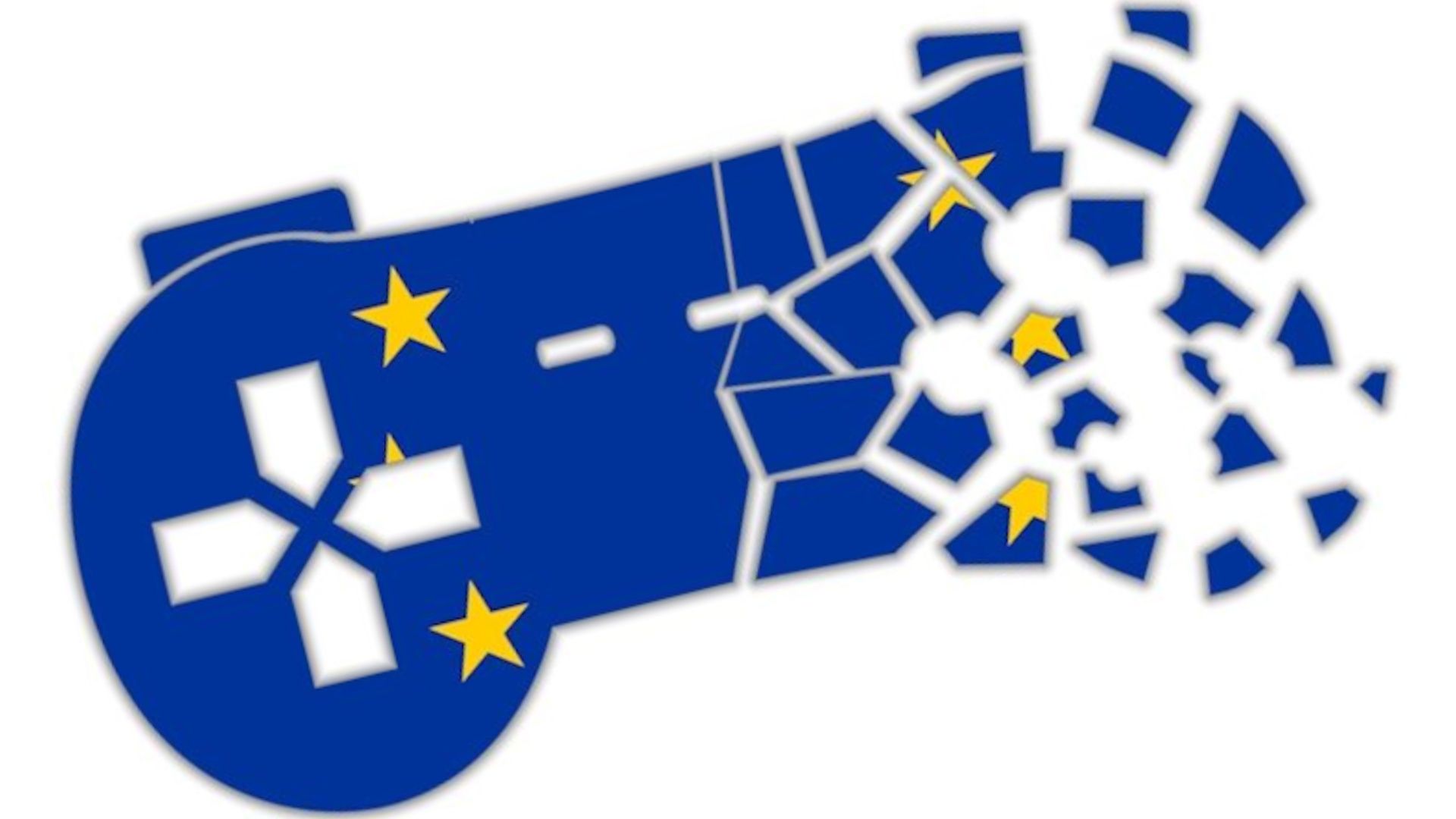
Two years after a viral petition forced Ubisoft to reverse its decision to dismantle The Crew, the Stop Killing Games movement is taking its fight to the next level. Instead of relying solely on petitions and public pressure, the campaign is now establishing two official non-governmental organizations—one in the European Union and another in the United States—to systematically challenge industry practices that leave players stranded when games are abandoned.
The shift marks a strategic evolution. While the initial petition gathered over 1.3 million signatures—enough to compel EU officials to consider regulatory action—the movement’s founders recognize that lasting change requires more than viral outrage. By forming NGOs, Stop Killing Games gains the infrastructure to lobby lawmakers, monitor industry behavior, and push for legal safeguards that could reshape how games are supported after launch.
Why an NGO?
Non-governmental organizations operate independently of governments but can influence policy by representing grassroots concerns. For Stop Killing Games, this means leveraging legal and political tools to hold publishers accountable. The EU NGO, led by German political operative Moritz Katzner, will focus on integrating anti-game-destruction measures into existing legislation, such as the Digital Fairness Act or the upcoming revision of the Digital Content Directive. The US counterpart, though less certain of immediate success, aims to raise awareness and pressure publishers to adopt transparent end-of-life policies.
Katzner, who has been involved since 2025, is taking the lead on the EU effort but is also advising the US NGO. His role reflects the movement’s growing professionalization—moving from activism to structured advocacy. Founder Ross Scott, who has publicly expressed exhaustion from years of advocacy, has stepped back from day-to-day operations, framing his involvement as a relay race where he hands off the baton to those with deeper political expertise.
A Movement Beyond One Man
The NGOs’ creation signals a deliberate effort to outlast individual leaders. Scott has compared his decade-long fight to a lone soldier unaware the war had ended—a metaphor for how isolated activists often feel against corporate lobbying machines. Yet the NGOs’ existence ensures the issue doesn’t fade when attention wanes. If a publisher abruptly shuts down a game’s servers or removes multiplayer features, the NGOs could mobilize watchdog systems to document violations, pressure regulators, and even coordinate multilingual reporting tools for affected players.
Scott remains skeptical about rapid change, particularly in the US, where gaming industry lobbying is entrenched. However, he acknowledges the NGOs could at least force the issue into public debate. They’re spending millions to fight regulations that would cost them pennies to implement, he notes. This isn’t about grand reforms—it’s about making sure players aren’t left in the dark when a game dies.
Looking Ahead
While details about the NGOs’ global ambitions are still emerging, plans include expanding into other regions to create a coordinated international movement. The goal is clear: to embed anti-game-destruction principles into law, ensuring that players aren’t treated as disposable once a game’s monetization window closes.
The industry’s response will be telling. If publishers resist even modest transparency measures, the NGOs could become a permanent thorn in their side—one that grows stronger with each abandoned title. For players, the stakes are simple: no more waking up to find their favorite game’s servers gone, their progress lost, and their money wasted.