Gaming hardware is evolving rapidly, and Valve’s latest move to define the Steam Machine Verified badge signals a significant shift in how performance is measured. Unlike previous benchmarks that emphasized high-resolution and frame-rate capabilities, the new requirements prioritize native 1080p resolution at 30 frames per second as the baseline for verification. This approach reflects a growing emphasis on performance-per-watt efficiency, ensuring smoother gameplay without necessarily pushing hardware to its absolute limits.
While this may seem like a step backward from the initial promise of supporting 4K@60 FPS with upscaling technologies like AMD FSR, it is more accurately described as a rebalancing act. The focus on native resolution and frame rate suggests that Valve is prioritizing real-world performance over theoretical maximums. This shift could have implications for how developers optimize games, potentially leading to more efficient rendering techniques that deliver better visual fidelity without excessive hardware demands.
Key Specifications and Performance Expectations
- Resolution: Native 1080p (minimum)
- Frame Rate: 30 FPS (minimum)
- Upscaling: 4K@60 FPS achievable with aggressive upscaling settings
- Compatibility: All Steam Deck Verified games automatically qualify for Steam Machine Verified status, provided they meet the same input expectations as the handheld device.
The new requirements also introduce a performance multiplier, effectively setting the bar six times higher than the Steam Deck’s baseline. This means that while 1080p@30 FPS is the minimum for verification, achieving higher resolutions and frame rates will still be possible but may require more advanced upscaling techniques or hardware optimizations.
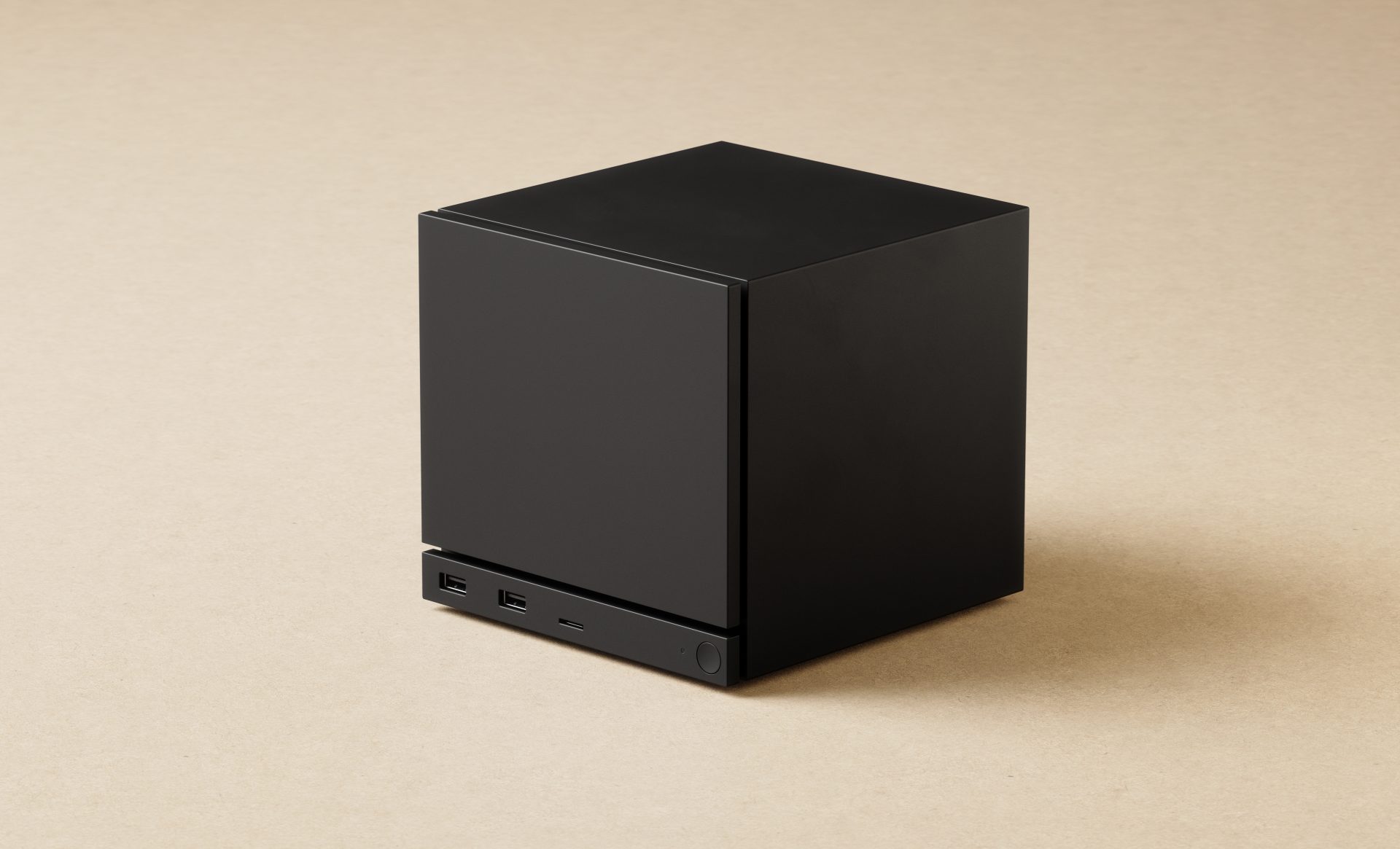
Implications for Developers and Players
The shift toward native resolution and frame rate as the primary benchmark could encourage developers to focus on efficiency. This approach aligns with broader industry trends toward more sustainable gaming practices, where performance is optimized without sacrificing visual quality. For players, this means that games designed with these requirements in mind are likely to run smoother on a wider range of hardware, from high-end desktops to more modest setups.
However, the practical implications remain nuanced. While 4K@60 FPS gameplay is still achievable, it will likely require aggressive upscaling settings for demanding titles. This could lead to a tiered gaming experience where players must balance between visual fidelity and performance, depending on their hardware capabilities. The new requirements also imply that Valve’s Steam Machine ecosystem is maturing, with clearer guidelines for both developers and players.
Looking Ahead
The Steam Frame VR headset, part of Valve’s 2026 hardware lineup, introduces additional performance benchmarks tailored for standalone VR experiences. These include a minimum of 90 FPS for VR games and 30 FPS at 1280x720 resolution for standalone 2D games, with a mandatory legible UI requirement. This suggests that Valve is placing a strong emphasis on both performance and user experience in its ecosystem.
As the industry continues to grapple with challenges like RAM shortages, the focus on performance-per-watt efficiency takes on even greater significance. The Steam Machine Verified requirements reflect this trend, setting a new standard for how gaming hardware is evaluated and optimized. While the exact launch timeline for Valve’s new hardware remains uncertain, the shift toward more efficient and sustainable gaming practices is already reshaping the landscape.