Steam’s early access program has long been a double-edged sword for both developers and players. On one hand, it provides a funding mechanism and community feedback loop for unfinished games. On the other, it has become a notorious black hole for titles stuck in development limbo, with release dates often buried in outdated news posts or lost in the shuffle of updates.
That’s about to change. In a move designed to bring clarity to the process, Steam has rolled out a new UI feature that prominently displays a standardized 1.0 release date for early access games—directly on their store pages. This isn’t just a cosmetic tweak; it’s a structural shift aimed at reducing frustration and improving discoverability.
Where it fits in the ecosystem
For years, Steam’s early access system relied on developers manually updating news posts with release timelines—a system prone to neglect. Now, the platform is embedding these dates directly into game listings, with an optional field for developers to input either a vague timeline (e.g., 2026) or a precise launch window. If a player wishes a game or follows its development, the 1.0 release date will automatically sync to their Steam calendar, serving as a built-in reminder.
This update also aligns with broader trends in gaming transparency. As players grow increasingly skeptical of vague development cycles, features like this address a core pain point: uncertainty. For developers, the change offers a balance—rigidity for those who want to commit to a timeline, and flexibility for smaller teams still refining their plans.
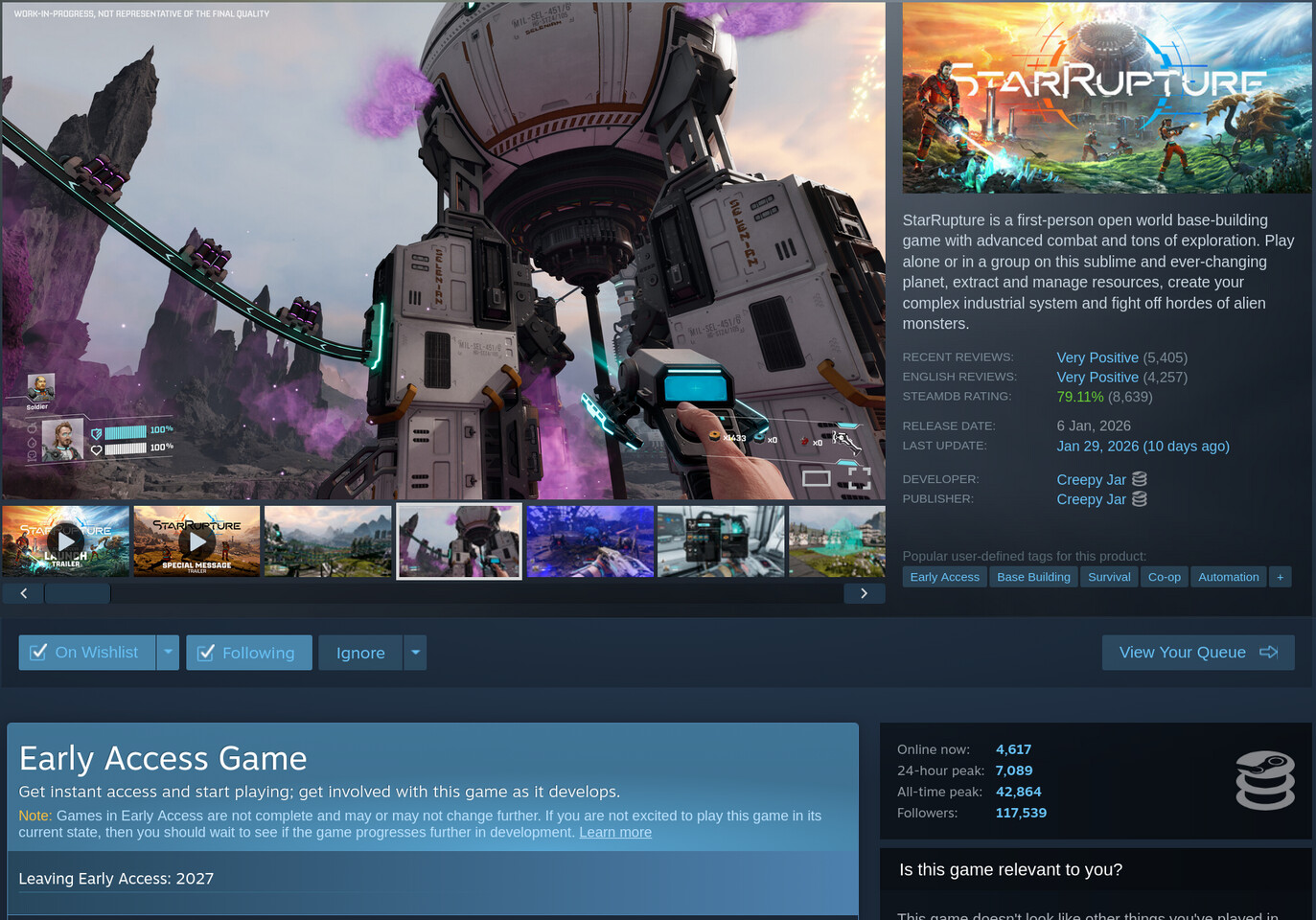
- Standardized display: 1.0 release dates now appear as a dedicated field on early access game pages, replacing scattered or outdated news posts.
- Calendar integration: Dates sync to users’ Steam calendars upon wishlisting or following a game.
- Developer control: Optional input allows for precise dates (e.g., ) or broad estimates (e.g., Q3 2026).
- No enforcement: The field remains voluntary, ensuring smaller studios aren’t pressured into premature commitments.
The shift could reshape how players engage with early access titles. Instead of digging through forums or outdated posts to guess when a game might leave beta, they’ll have a clear, centralized reference. For developers, it’s a low-effort way to signal progress—especially valuable for indie projects competing for attention in a crowded marketplace.
While the feature is optional, its presence alone may encourage more teams to adopt it. After all, a visible release date isn’t just a convenience; it’s a vote of confidence in a game’s future. And in an era where patience is thin, that matters more than ever.