What’s new
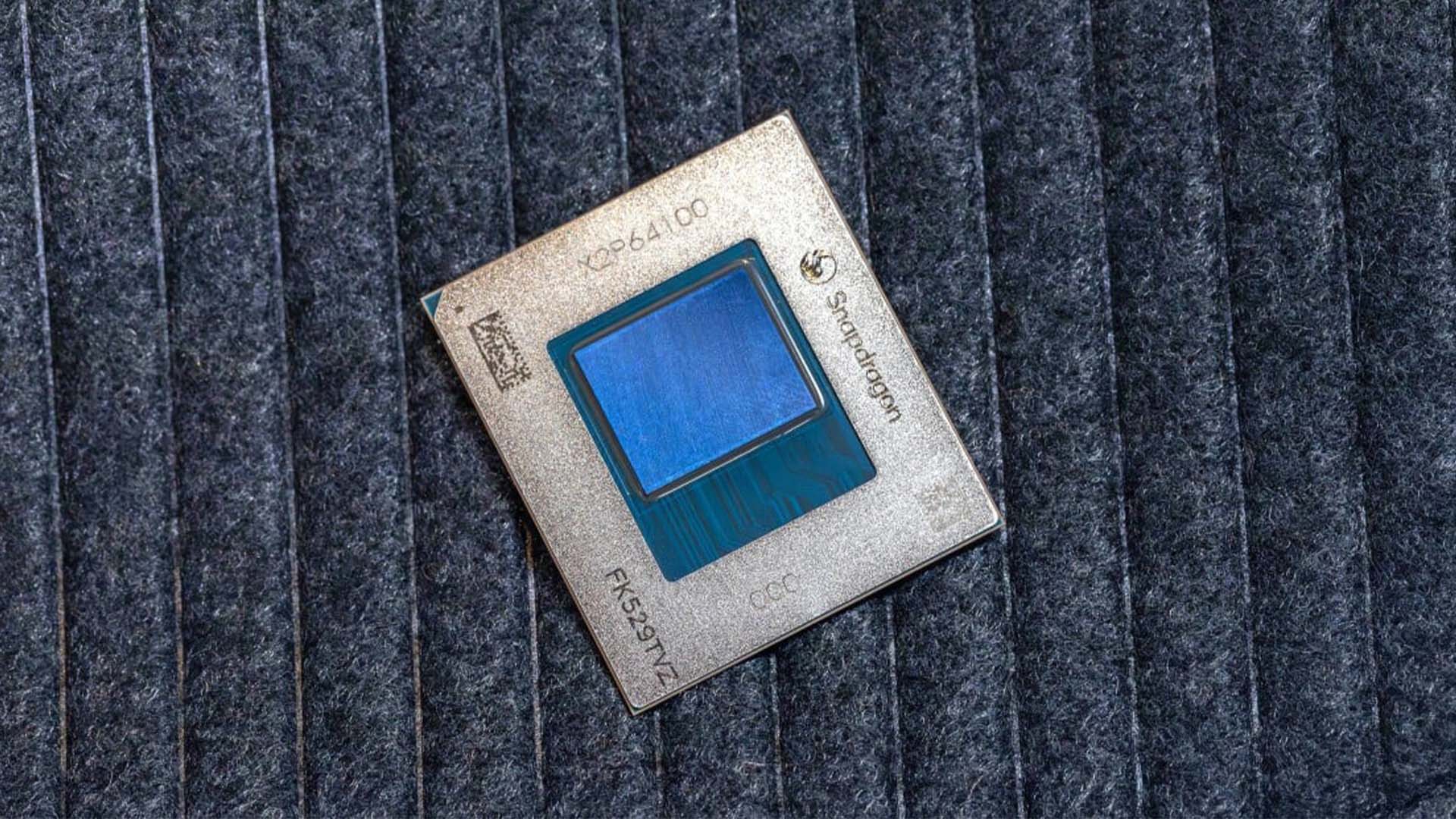
Qualcomm’s Snapdragon X2 Plus has arrived with a suite of upgrades over its predecessor, but benchmark results show it lags behind Apple’s M4 chip in nearly every CPU and GPU test. The latest comparison reveals that the M4, introduced last year, outperforms the Snapdragon X2 Plus by significant margins in both single-core and multi-core performance, raising questions about Qualcomm’s ability to compete in the high-end laptop market.
Key details / specs
The Snapdragon X2 Plus is built on a 2nm process node, a major leap forward from its predecessor. However, it still falls short when measured against Apple’s M4 in synthetic benchmarks. Key specifications include
- Snapdragon X2 Plus (reference design)
- Apple M4 (previous-generation chip)
- Benchmark tests: Cinebench 2024, Geekbench 6, 3DMark Steel Nomad Light, and 3DMark Solar Bay
The Snapdragon X2 Plus is expected to power more affordable Windows laptops, but its performance in these benchmarks suggests it may struggle to match the efficiency and speed of Apple’s offerings.
Performance / comparison
The benchmark results are striking. In Cinebench 2024 single-core tests, the M4 is 30% faster than the Snapdragon X2 Plus (173 vs. 133). The multi-core performance gap is narrower, with the M4 edging out the Snapdragon by just 1.81% (993 vs. 1,011), but still a loss for Qualcomm.
In Geekbench 6 single-core tests, the M4 leads by 16.55% (3,859 vs. 3,311). The multi-core gap is minimal at just 1.02%, but again, the M4 takes the lead (15,093 vs. 14,940).
For GPU performance, the M4 dominates in both 3DMark Steel Nomad Light and Solar Bay tests. The M4 is 28.76% faster in Steel Nomad Light (3,949 vs. 3,067) and 24.39% faster in Solar Bay (15,580 vs. 12,525).
Why it matters
These results are a blow to Qualcomm, which has been aggressively pushing its Snapdragon chips into the Windows laptop market as a viable alternative to Apple Silicon. The M4’s performance suggests that even last year’s chip is more than a match for Qualcomm’s latest offering, let alone the upcoming M5.
For consumers, this means that Windows laptops powered by the Snapdragon X2 Plus may not offer the same level of performance as their Apple Silicon counterparts. It also raises concerns about whether Qualcomm can close the gap in future iterations or if it will continue to trail behind in CPU and GPU benchmarks.
What to watch next
The Snapdragon X2 Plus is just one part of Qualcomm’s broader strategy to challenge Apple Silicon. The company has also been working on its 2nm process node, which could potentially level the playing field in future generations. However, with Apple rumored to be moving to an M5 chip later this year, the pressure is on for Qualcomm to deliver meaningful improvements.
Additionally, Qualcomm’s shift to a dual-foundry strategy, with Samsung mass-producing its Snapdragon 8 Elite Gen 5 on a 2nm GAA process, could be a game-changer. If Qualcomm can leverage this new manufacturing partnership effectively, it may finally start to close the performance gap that has plagued its Windows laptop chips for years.