Qualcomm’s latest Snapdragon 8 Elite Gen 6 series is breaking tradition by merging premium performance with a streamlined hardware approach. Unlike previous generations, the Elite and Pro variants share core specifications—CPU, GPU, RAM, and storage support—while AI capabilities are the sole differentiator. This shift aims to reduce platform fragmentation in high-end Android devices, offering manufacturers a more cohesive development path.
Connectivity Without Compromise
The Snapdragon 8 Elite Gen 6 maintains full compatibility with existing Snapdragon 8 Gen 6 platforms, ensuring no performance trade-offs for users. Both variants support up to 12GB of LPDDR5X RAM and 2TB UFS 4.0 storage, with identical connectivity options that include advanced 5G modem capabilities via the Snapdragon X80. This uniformity means manufacturers can design devices without worrying about sacrificing flexibility or speed.
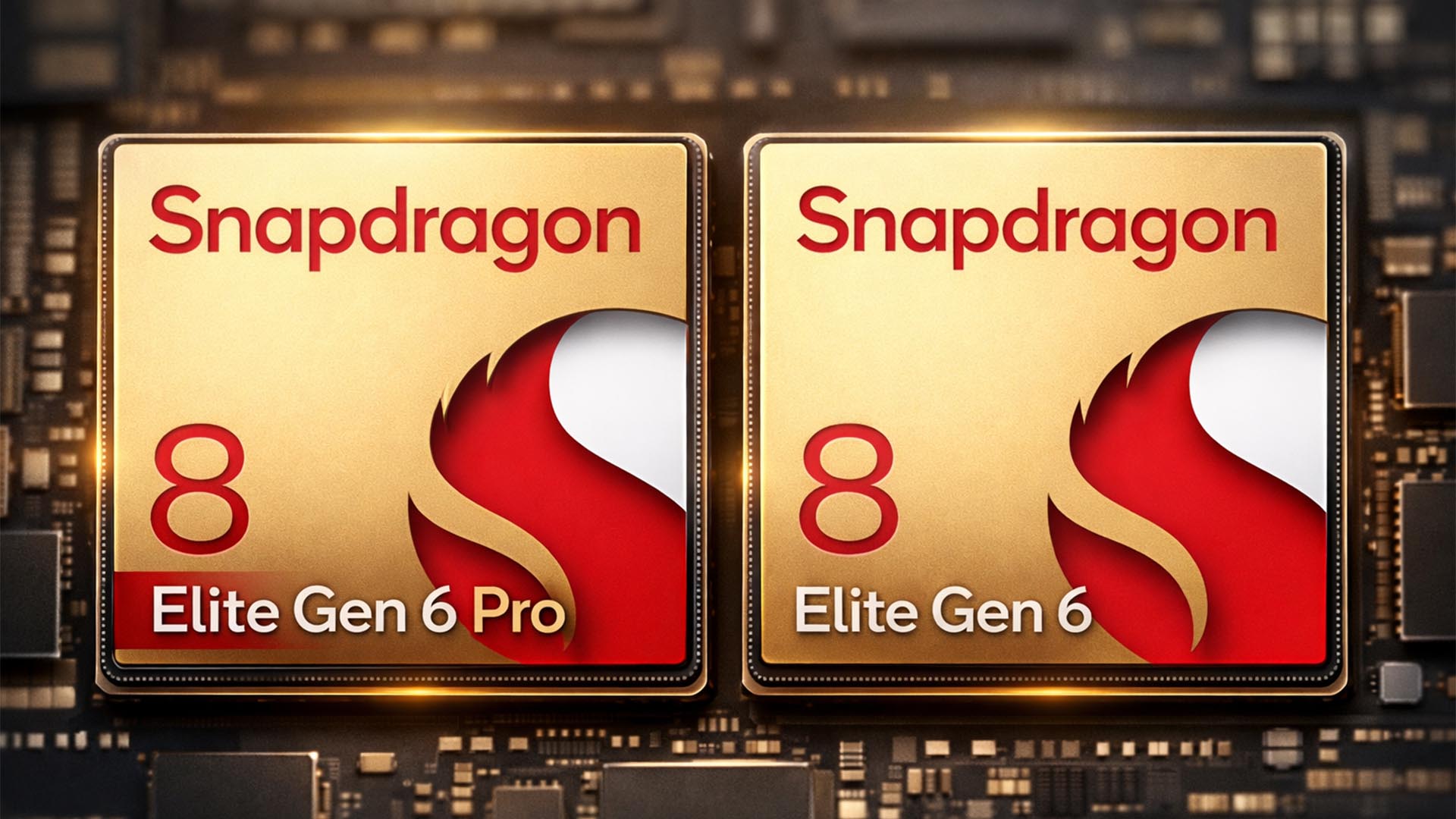
Key Specifications
- Chip: Snapdragon 8 Elite Gen 6 / Snapdragon 8 Pro Gen 6
- CPU Cores: 1x Cortex-X4 (3.2GHz) + 3x Cortex-A720 (2.8GHz) + 4x Cortex-A520 (1.8GHz)
- GPU: Adreno 850
- RAM Support: Up to 12GB LPDDR5X (3200MHz)
- Storage Support: Up to 2TB UFS 4.0
- AI Accelerator: Hexagon 780 (Pro: Enhanced for machine learning tasks)
- Modem: Snapdragon X80 5G
The elimination of hardware differences between the Elite and Pro models means users won’t face limitations in daily performance, such as slower app launches or reduced multitasking. The only distinction lies in AI features—real-time translation, on-device generative models, and other advanced machine learning capabilities—which are exclusive to the Pro variant. For most consumers, this removes a primary reason to opt for the Pro version, focusing the premium market on efficiency rather than raw compute power.
This strategic alignment could reshape how manufacturers position flagship devices, potentially reducing the need for unnecessary hardware differentiation in favor of software-driven upgrades. The question remains whether consumers will prioritize AI enhancements over consistent performance—a distinction that may no longer be as clear-cut as before.