The Snapdragon 8 Elite Gen 5 steps into the spotlight with a promise of high-end gaming capabilities, particularly when it comes to emulating PC games. However, this performance doesn't come without trade-offs, especially in terms of power consumption.
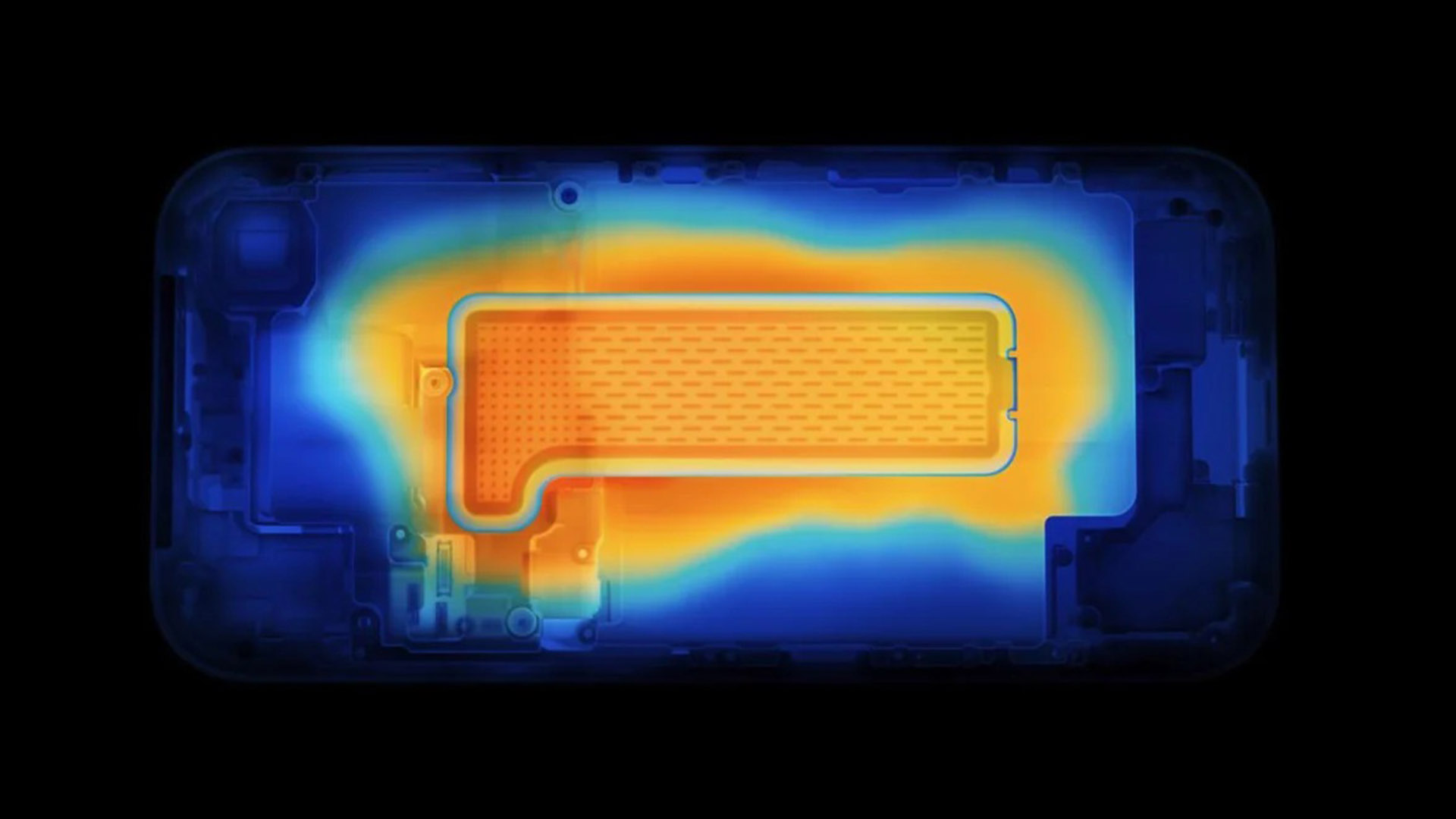
At first glance, the chipset appears to be a significant leap forward from its predecessors. It introduces features that could redefine what mobile devices can achieve, but the reality of sustained performance may hinge on how effectively thermal and battery management can keep up with its demands.
Key Specifications
- Chipset: Snapdragon 8 Elite Gen 5 (SD 8E Gen 5)
- Architecture: Armv9-based, 1+3+4 CPU cluster with up to 3.0 GHz clock speeds
- GPU: Adreno GPU with support for AAA PC game emulation at high frame rates
- Power Consumption: Up to 49W TDP, significantly higher than previous generations
- Memory Support: LPDDR5X-6200, up to 18GB capacity
- Storage: UFS 4.0, up to 1TB
The Snapdragon 8 Elite Gen 5 is designed for users who demand the best possible performance from their mobile devices. Its ability to handle AAA PC game emulation at high frame rates is a notable achievement, but this comes with a substantial power draw that could challenge current battery technologies and thermal management solutions.
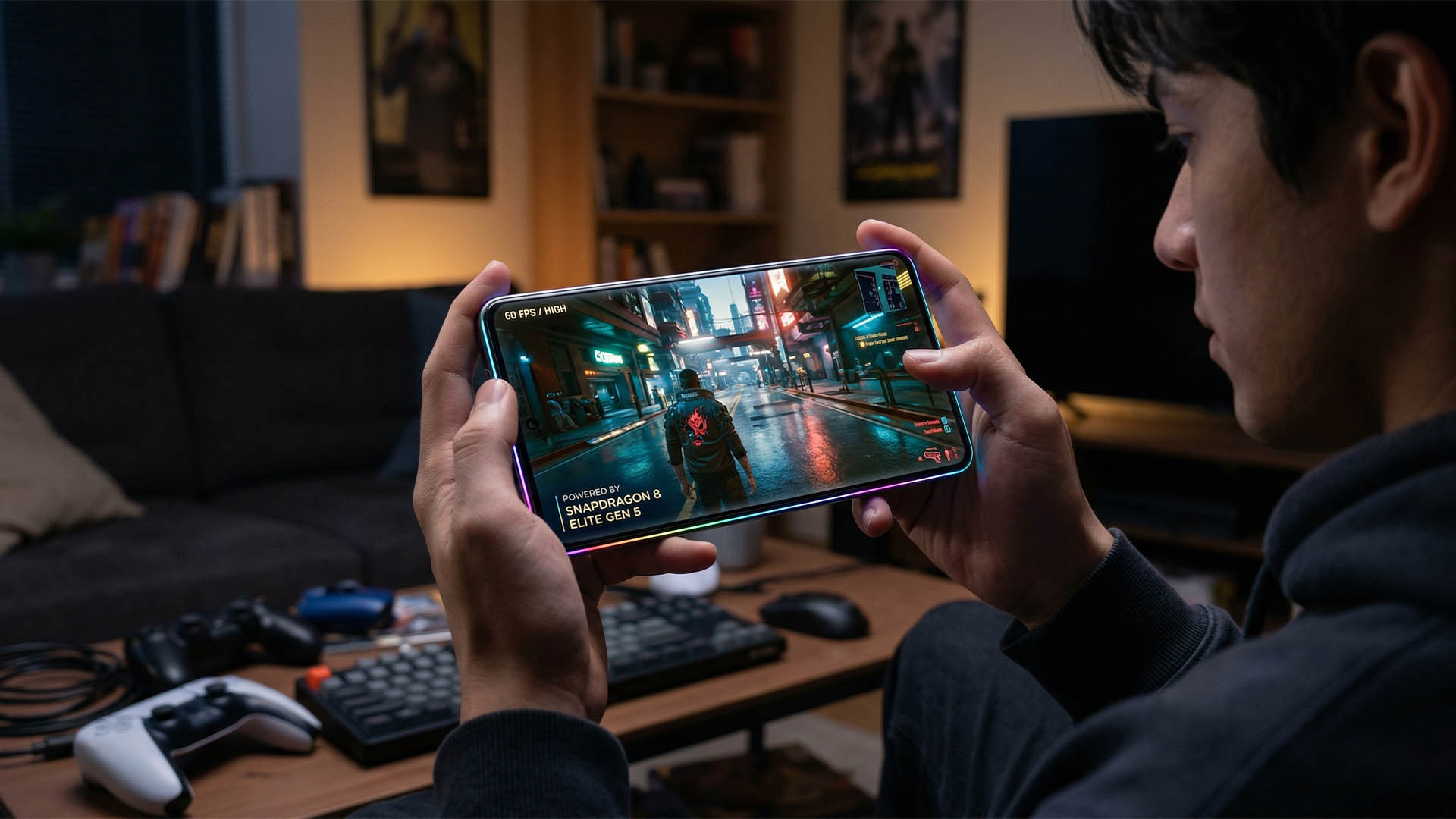
For power users, this chipset represents an exciting step forward in mobile computing. However, the practical implications of running such demanding workloads on a mobile device remain to be seen. The near-50W TDP suggests that sustained gaming sessions may require robust cooling solutions or even external power sources, which could limit portability.
Despite these challenges, the Snapdragon 8 Elite Gen 5 is a compelling option for those who prioritize raw performance over battery life. Its advanced architecture and support for high-end emulation open up new possibilities for mobile gaming, but it will likely cater to a niche audience willing to make certain sacrifices for cutting-edge capabilities.