A high-stakes gaming session turned into a cautionary tale this week when an MSI GeForce RTX 4090 Gaming Trio’s 12vHPWR connector began smoking and bubbling under load, forcing an immediate shutdown. The incident, documented live by streamer @jessickyeah, underscores ongoing vulnerabilities in NVIDIA’s power delivery standard—a problem that has now extended beyond AMD’s Radeon GPUs and into the flagship RTX 4090 ecosystem.
The failure occurred during active gameplay, with the top-right wire of the GPU’s power cable overheating to the point of physical degradation. While the outcome was never confirmed, the visual evidence suggests the connector could have catastrophically failed had the system not been powered down. This is not an isolated event: the same streamer’s RTX 4090 has been in use since at least March 2025, proving that even prolonged stability doesn’t guarantee immunity.
Why This Matters
NVIDIA introduced the 12vHPWR standard to address power demands of its high-end GPUs, but the revised 12v-2x6 connector—meant to mitigate earlier issues—hasn’t fully resolved the problem. The latest incident follows a string of failures across brands, including AMD’s RX 9070 XT, highlighting a systemic risk rather than a manufacturer-specific flaw.
Current workarounds include avoiding third-party extension cables and ensuring connectors are fully seated, but these are reactive measures. Some PSU and GPU manufacturers have begun adding physical indicators or monitoring systems to detect power imbalances, though adoption remains inconsistent.

The Bigger Picture
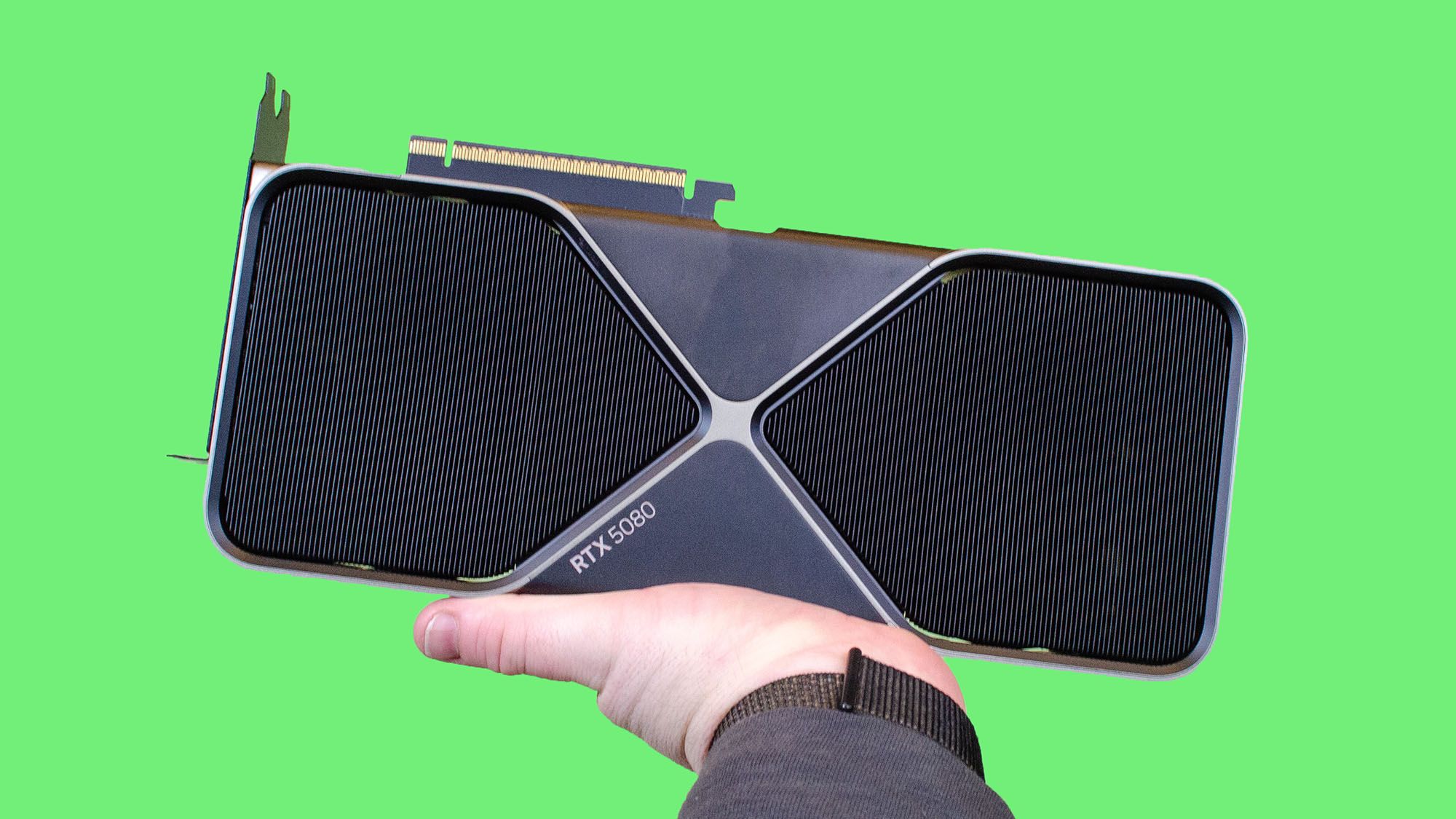
This isn’t just a hardware glitch—it’s a symptom of escalating power requirements in modern GPUs. With leaks suggesting NVIDIA’s next-gen RTX 5090 could top $5,000 and demand up to 800W, the strain on power delivery systems will only intensify. Meanwhile, AMD’s RX 9070 series has already shown +42% 4K performance gains over the RX 7900 GRE, pushing the envelope further.
For now, users are left with a stark reminder: even the most reliable setups aren’t foolproof. The question remains whether NVIDIA or the industry at large will implement a more robust solution before the next generation of GPUs arrives.
Key Takeaways
- 12vHPWR Risks: Meltdowns persist despite connector revisions, affecting both NVIDIA and AMD GPUs.
- No Guaranteed Safety: Long-term stability doesn’t prevent sudden failures—proper cable seating and avoiding extensions are critical.
- Industry Response: Some brands are adding monitoring or indicators, but no universal fix exists.
- Future Outlook: Next-gen GPUs (e.g., RTX 5090) will likely demand even higher power, exacerbating the issue.
The incident serves as a live demonstration of why power delivery remains a fragile link in high-performance PC builds—one that could leave even premium hardware vulnerable.