The current memory shortage isn’t just a headache for PC builders—it’s reshaping the entire upgrade landscape. DDR5 RAM and high-capacity NVMe SSDs have seen dramatic price spikes, leaving many wondering if there’s still value in upgrading without breaking the bank. The answer is yes, but not where most expect.
While storage and memory remain hostage to supply chain pressures, six key PC components are holding steady in price and performance. These upgrades can deliver noticeable improvements—whether in speed, aesthetics, or comfort—without the sticker shock now plaguing the market.
Here’s where to spend your money wisely right now.
Where the RAM crunch doesn’t reach
The bottleneck isn’t just about capacity; it’s about the underlying materials and manufacturing processes. Components like CPUs, cooling systems, and cases rely on entirely different supply chains—aluminum, copper, and basic electronics—leaving them untouched by the NAND and DRAM frenzy. Even peripherals, which might seem minor, avoid the worst of the inflation.
This isn’t about cutting corners. These upgrades still deliver real-world benefits, from smoother performance to better ergonomics. The difference? They won’t cost you an extra $200 just to gain 16GB of DDR5.
A CPU upgrade that actually makes sense
Contrary to the assumption that CPUs are tied to memory pricing, the opposite is often true. Take the Ryzen 5800X3D, a chip that thrives on DDR4—a memory type now considered budget-friendly in the DDR5-dominated market. Its price has remained remarkably stable, offering a path to significant gaming performance gains without the need for expensive DDR5.
Even AMD’s flagship Ryzen 9800X3D, widely regarded as the best gaming CPU available, has seen its price dip closer to historic lows. Intel’s Arrow Lake series, while not a gaming powerhouse, has also seen aggressive price cuts, making them compelling for productivity workloads where they excel. The caveat? Motherboard compatibility and socket limitations mean not every system can leap generations—but for those that can, the performance jump can be substantial.
Cooling and cases: The silent upgrades
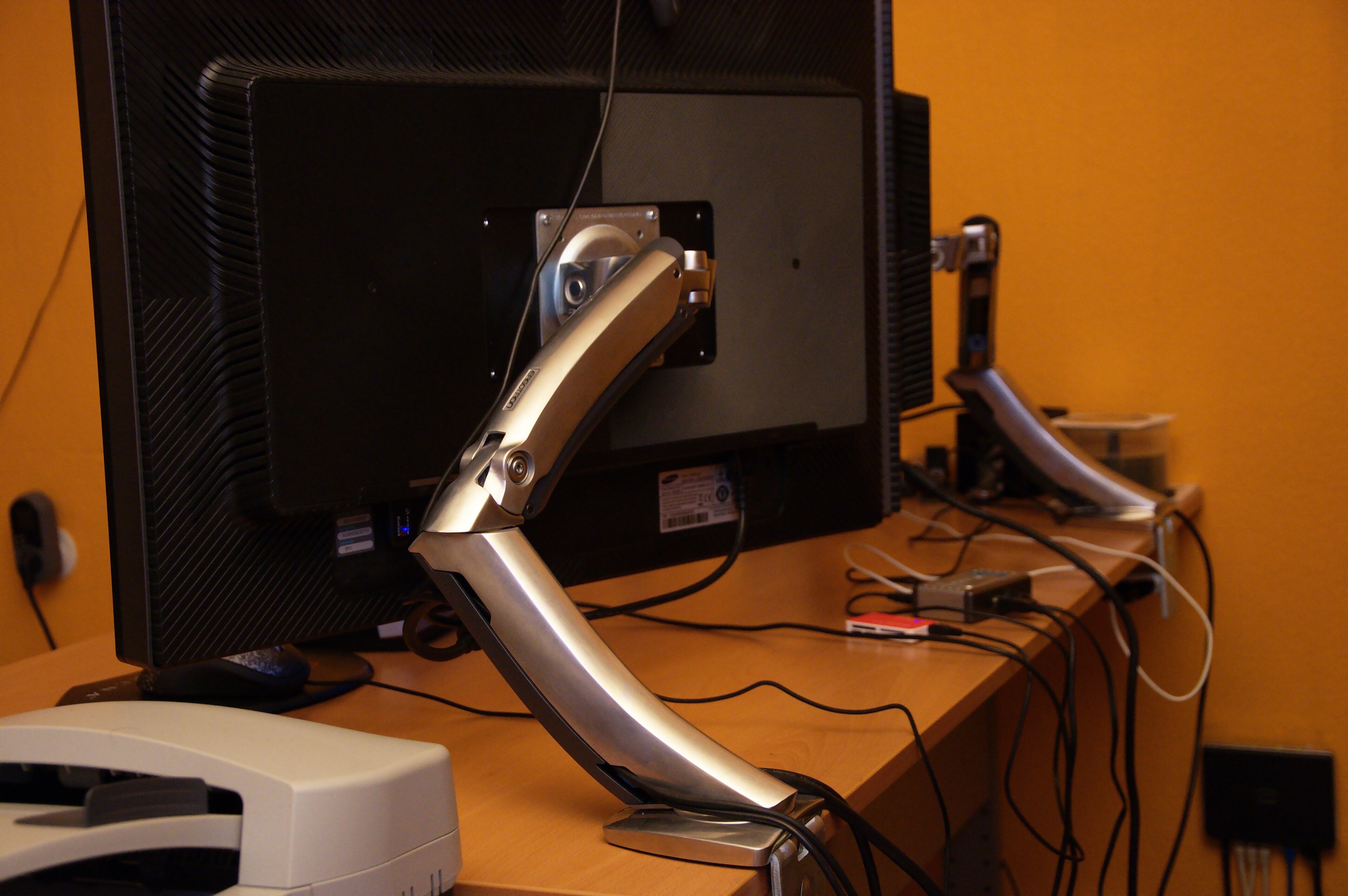
Cooling systems—whether air-based or liquid—are among the least affected by memory shortages. Most high-end air coolers and all-in-one (AIO) liquid coolers are constructed primarily from aluminum, a material far less impacted by the same supply constraints as silicon or NAND. The same goes for system fans and basic case designs, which rely on minimal electronics.
A new case might not boost your FPS, but it can transform your workspace. Modern cases often include better airflow management, RGB lighting, and even built-in USB hubs—features that enhance both performance and aesthetics. And unlike memory or storage, these upgrades don’t require future-proofing against capacity constraints.
Power supplies: The unsung hero
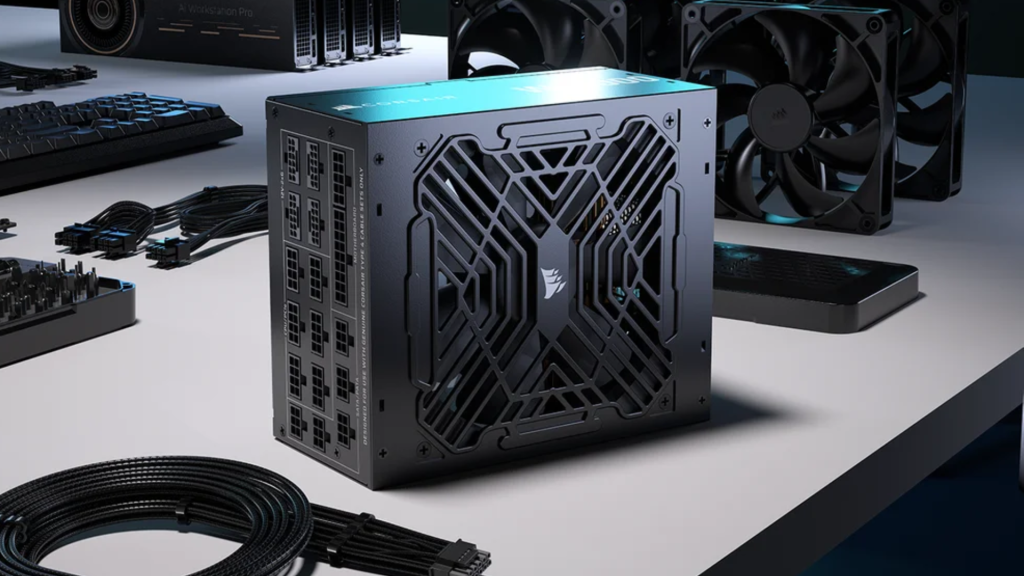
Power supplies (PSUs) are the backbone of any PC, yet they’re rarely the focus of upgrades—until something goes wrong. Fortunately, they’re also immune to memory-related price hikes. A high-quality PSU, especially one with modular cables, can improve system efficiency, reduce clutter, and future-proof your build for next-gen components. Upgrading now means you won’t need to replace it when you finally snag that elusive GPU or RAM deal.
Monitors and peripherals: The experience boosters
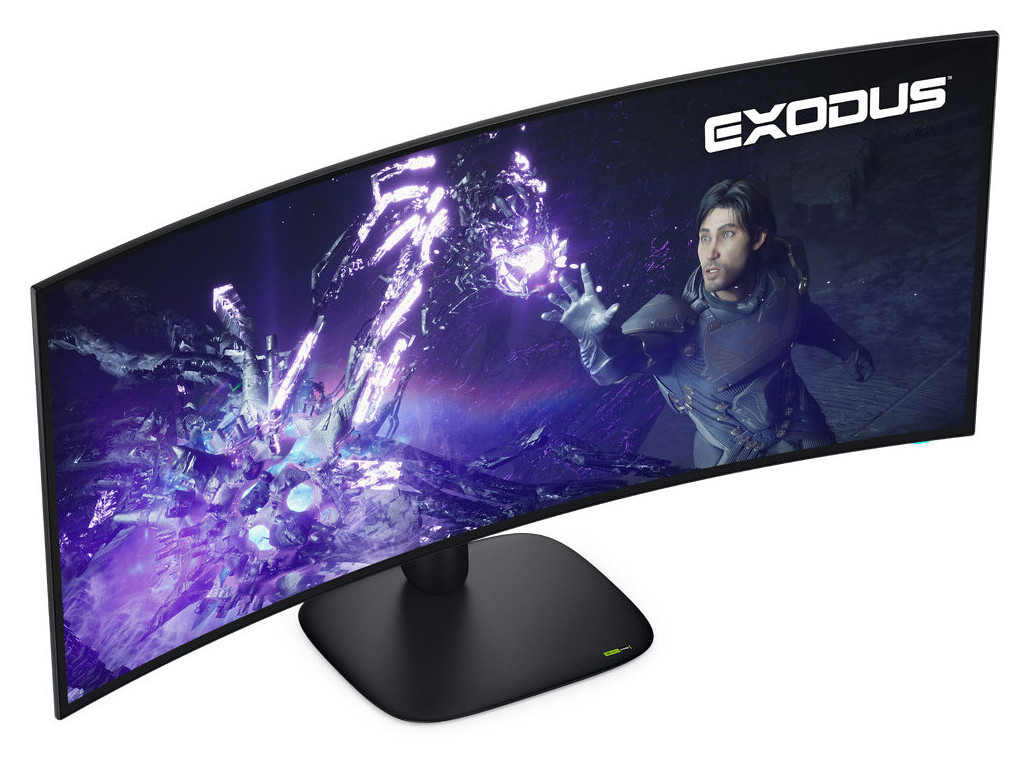
Your display is the most critical interface between you and your PC, yet it’s one of the few areas where memory shortages haven’t caused chaos. OLED and high-refresh-rate monitors, once considered luxuries, are now more accessible than ever in terms of pricing relative to their impact. A jump from a basic 60Hz panel to a 144Hz or 240Hz display—or switching from TN to IPS or OLED—can drastically improve gaming and productivity.
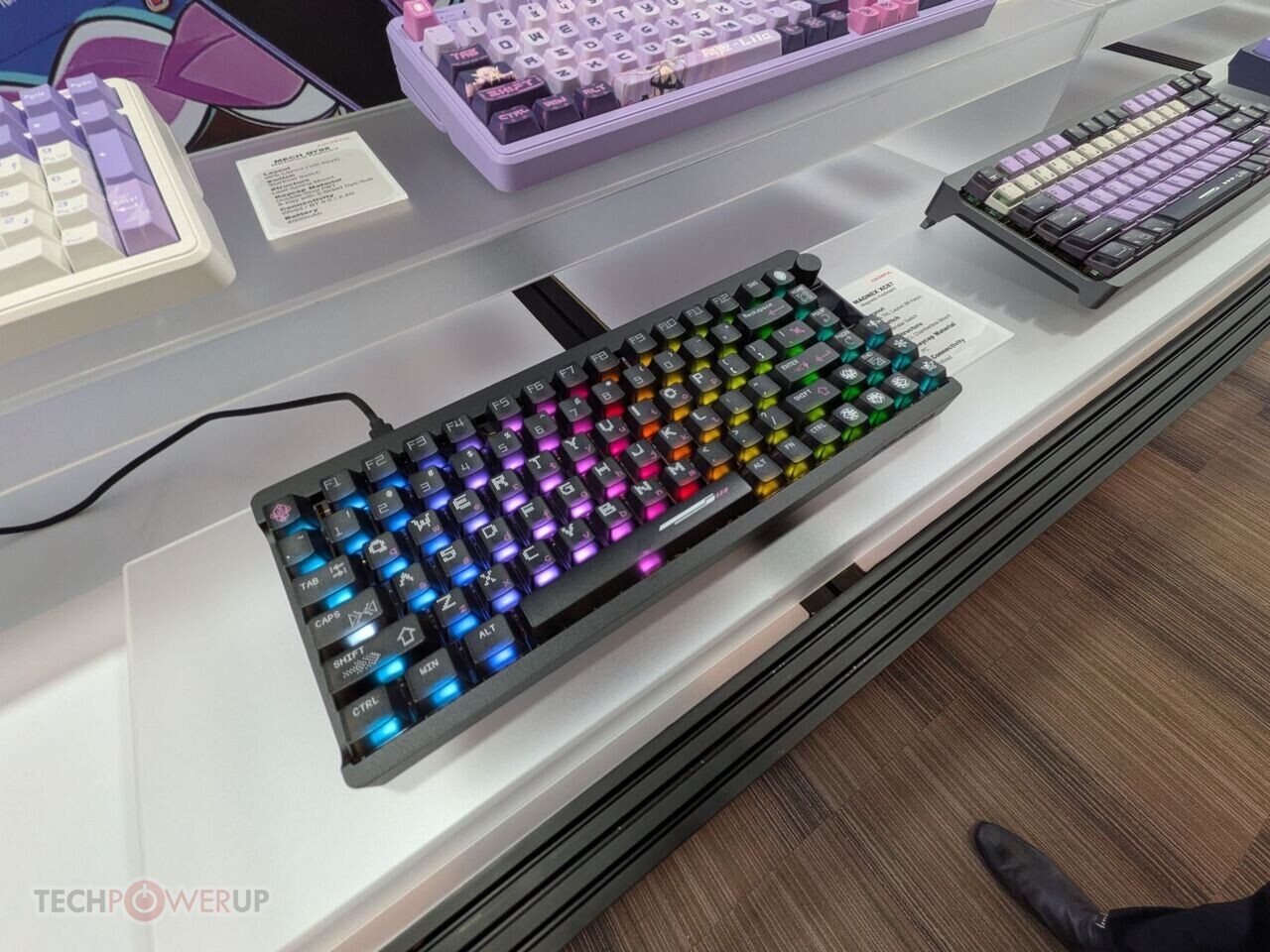
Peripherals like mechanical keyboards, gaming mice, and ergonomic headsets also avoid the worst of the memory crunch. While they may include small amounts of flash memory for firmware, the quantities are negligible compared to system RAM or SSDs. Upgrading to a better mouse sensor, a quieter keyboard, or a more immersive headset can enhance comfort and performance without the financial strain.
Who benefits most?
This isn’t just about gamers. Productivity users, content creators, and even budget-conscious enthusiasts can find value here. For example
- Gamers: A CPU upgrade paired with a high-refresh-rate monitor can deliver smoother frame rates without the need for expensive DDR5.
- Creators: Better cooling and a more efficient PSU can handle demanding workloads like video editing or 3D rendering without overheating.
- Office users: Ergonomic peripherals and a comfortable case design can reduce strain during long workdays.
The key takeaway? The RAM crisis has forced a shift in priorities. Instead of waiting for prices to stabilize—or settling for subpar performance—there are still meaningful upgrades to be had. The focus now is on components that deliver immediate, tangible improvements without the speculative pricing of memory and storage.
For those stuck with older systems that desperately need more RAM or storage, the message is clear: hold out if possible. But for everyone else, the PC upgrade market isn’t dead—it’s just gotten smarter.