Samsung’s semiconductor arm, long a cornerstone of its global strategy, may soon become an independent entity. The move comes as labor tensions escalate, with unions pushing for greater influence over working conditions and wages. If executed, this would mark one of the most significant structural shifts in Samsung’s 80-year history—a decision that could redefine how the company operates while sending ripples through the industry.
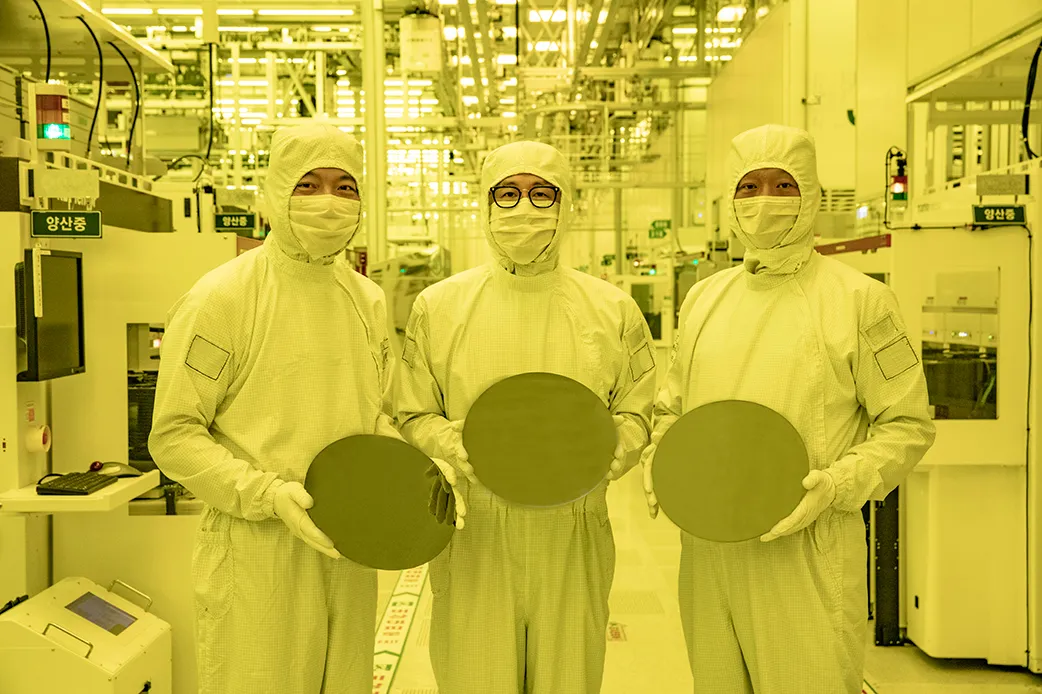
The semiconductor division, known as DS (Device Solutions), is a powerhouse, producing cutting-edge chips for everything from smartphones to AI servers. Its spin-off would create a standalone company, potentially giving unions more leverage in negotiations. But the implications go deeper: it could signal a broader trend of tech giants restructuring to navigate labor challenges while ensuring their most critical assets remain agile and competitive.
What’s driving this potential split? Labor relations have been a flashpoint for Samsung, with workers at DS pushing for better pay, benefits, and job security. A spin-off could isolate the division financially, making it harder for unions to demand concessions without risking long-term stability. Yet, there are risks. Splitting a high-value unit from its parent could dilute Samsung’s own R&D focus, leaving gaps in chip design or supply chain coordination that competitors might exploit.

Industry observers note that this isn’t just about labor—it’s about future-proofing. Semiconductors are the backbone of modern tech, and Samsung’s move could set a precedent for how companies handle high-stakes divisions when faced with union pressure. If successful, it could embolden other firms to restructure proactively; if not, it may backfire, creating instability in one of the most critical sectors in technology.
For consumers and investors alike, the question is whether this shift will lead to better products or more turmoil. Samsung’s semiconductor division has been a benchmark for innovation, from its early leadership in DRAM to its recent advancements in AI-optimized chips. A spin-off could accelerate that innovation—or it could scatter talent and resources, leaving Samsung playing catch-up.
One reality check: the timing is uncertain. No official announcement has been made, and internal dynamics at Samsung are rarely transparent. Whether this move will materialize depends on how negotiations with unions progress. But if it does come to pass, it will be a landmark moment—not just for Samsung, but for the entire tech industry.
Where things stand now: Samsung’s semiconductor division remains integral to its strategy, and any spin-off would require careful execution to avoid disrupting its dominance in chips. For buyers of Samsung devices, the immediate impact may be minimal—but the long-term implications could reshape how the company innovates, competes, and operates.