Samsung’s flagship phone cycle has always been a high-stakes gamble, but the latest Galaxy S26 Ultra rollout is shaping up to be one of its most chaotic yet. What began as isolated whispers about pre-order scams has ballooned into a full-blown distribution breakdown, with unreleased units appearing in online marketplaces as early as a month before the official announcement. The question isn’t just how these leaks happened—it’s why Samsung, despite clear red flags, failed to act until it was too late.
The Myth of Control
Most tech companies treat pre-launch leaks like a rite of passage. Samsung, however, has long prided itself on ironclad secrecy, particularly for its Galaxy S series. The company’s supply chain is a labyrinth of authorized dealers, logistics partners, and regional distributors—each layer supposed to act as a firewall against premature exposure. Yet this time, the cracks didn’t just appear. They exploded.
The first signs of trouble emerged late last month, when a seller in Dubai attempted to offload a Galaxy S26 Ultra to an unsuspecting buyer. The transaction was flagged as suspicious—why would a flagship device, months from release, be available for purchase?—but Samsung’s response was slow, if it came at all. By the time the company realized the scale of the breach, it was no longer a single rogue dealer. It was an open market.
What Actually Happened
What’s now clear is that Samsung’s distribution channels lost control of inventory long before the Galaxy Unpacked event. The Privacy Display—a marquee feature touted as a privacy revolution—has already been tested by tech creators, revealing it only works at maximum brightness. The S Pen, meanwhile, continues its tradition of being an afterthought, with leaks suggesting Samsung omitted a critical feature once again. Even the battery, rumored to be a 5,000mAh cell, is under scrutiny after comparisons to last year’s model raised doubts about real-world improvements.
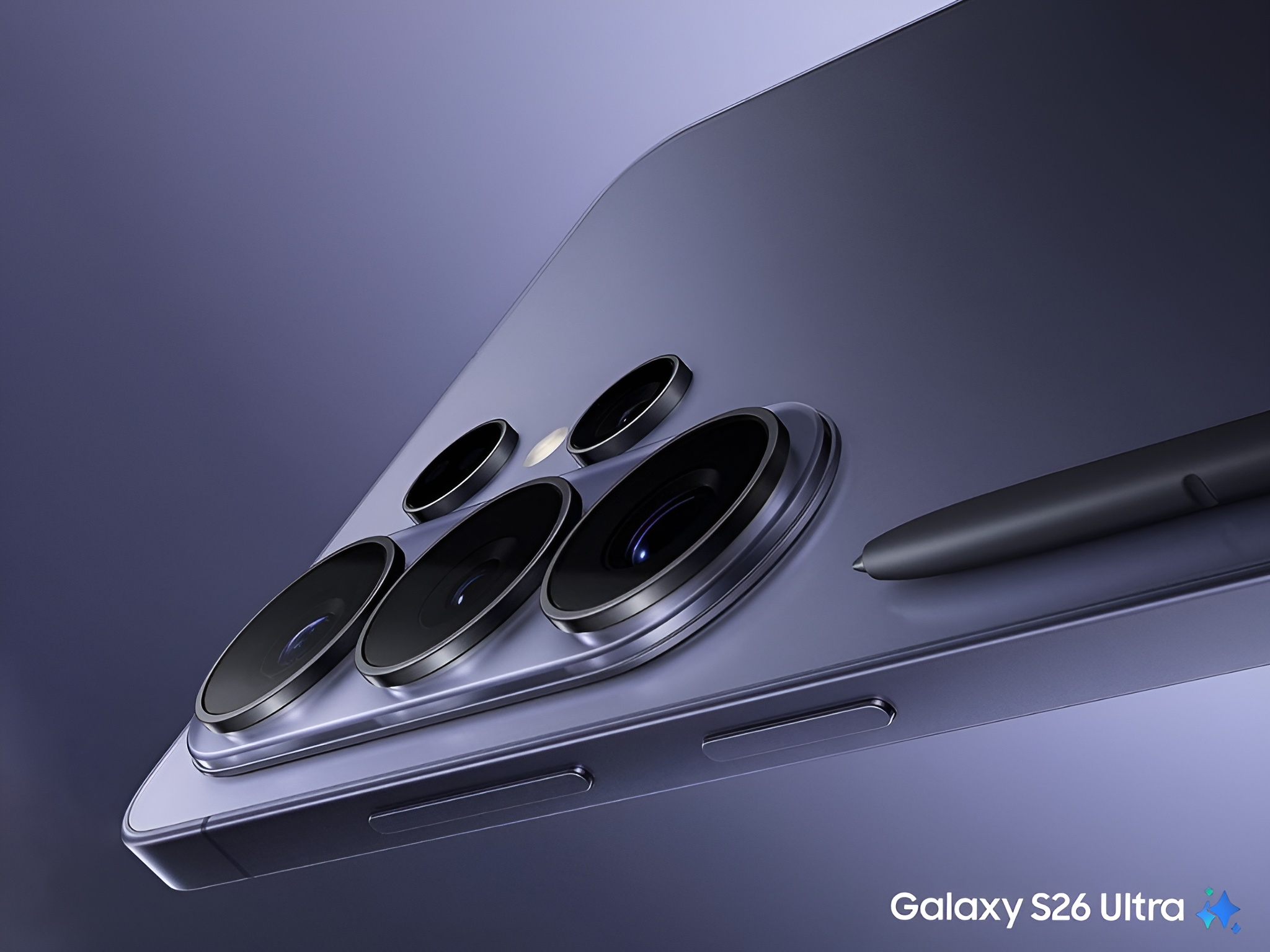
The most damning detail? These weren’t isolated incidents. They were systemic. A single YouTuber isn’t the issue. Neither is a single reseller in Bangladesh. The problem is that Samsung’s supply chain, once a fortress, now resembles a sieve—and the company’s inaction over the past month turned a manageable leak into a full-blown PR disaster.
Why It Matters Now
For Samsung, the fallout extends beyond lost secrecy. The Galaxy S26 Ultra’s unveiling is now overshadowed by questions about competence. If the company can’t protect its own inventory, how can it reassure buyers about security, software updates, or even basic product integrity? The Privacy Display’s limitations, the S Pen’s shortcomings, and the battery’s unanswered questions will all be dissected under a microscope of skepticism.
Worse, this isn’t just about the S26 Ultra. It’s a warning to Samsung’s entire ecosystem. If leaks of this magnitude can happen to a flagship, what’s stopping them from affecting mid-range models or even accessories? The company’s reputation for exclusivity is built on control—and control, it seems, is no longer a priority.
The Galaxy Unpacked event is still weeks away, but the stage is already set. Samsung’s challenge won’t be selling a phone. It’ll be selling trust back to its customers—after proving it can keep its own house in order.