Samsung is accelerating its push toward self-sufficiency in mobile processors, with the Exynos 2700 poised to claim a 50% share of the upcoming Galaxy S27 series. This shift reduces reliance on Qualcomm’s Snapdragon 8 Elite Gen 5, which currently dominates the Galaxy S26 lineup at 75%. The move reflects broader ambitions in Samsung’s foundry division, where 2nm GAA fabrication yields are now stable enough to support mass production by the second half of this year.
Key to this transition is the Exynos 2700’s architecture, which retains a ‘4 + 1 + 4 + 1’ core cluster—a design optimized for balanced performance and efficiency. While the chip will still rely on ARM’s Mali GPU for now, Samsung has signaled its next-generation Exynos 2800 will introduce an in-house GPU, further distancing itself from traditional third-party dependencies.
Production and Profitability
The 2nm process, known internally as SF2P, has reached a 50% yield rate, allowing Samsung to scale production while targeting a 130% increase in chip orders. This progress is critical for the company’s foundry division, which aims to achieve net-positive cash flow by 2027. The Exynos 2700’s adoption in the Galaxy S27 isn’t just a technical milestone—it’s a strategic pivot. By securing 50% of the flagship lineup, Samsung can leverage its manufacturing expertise to attract external customers, particularly as TSMC faces supply constraints.
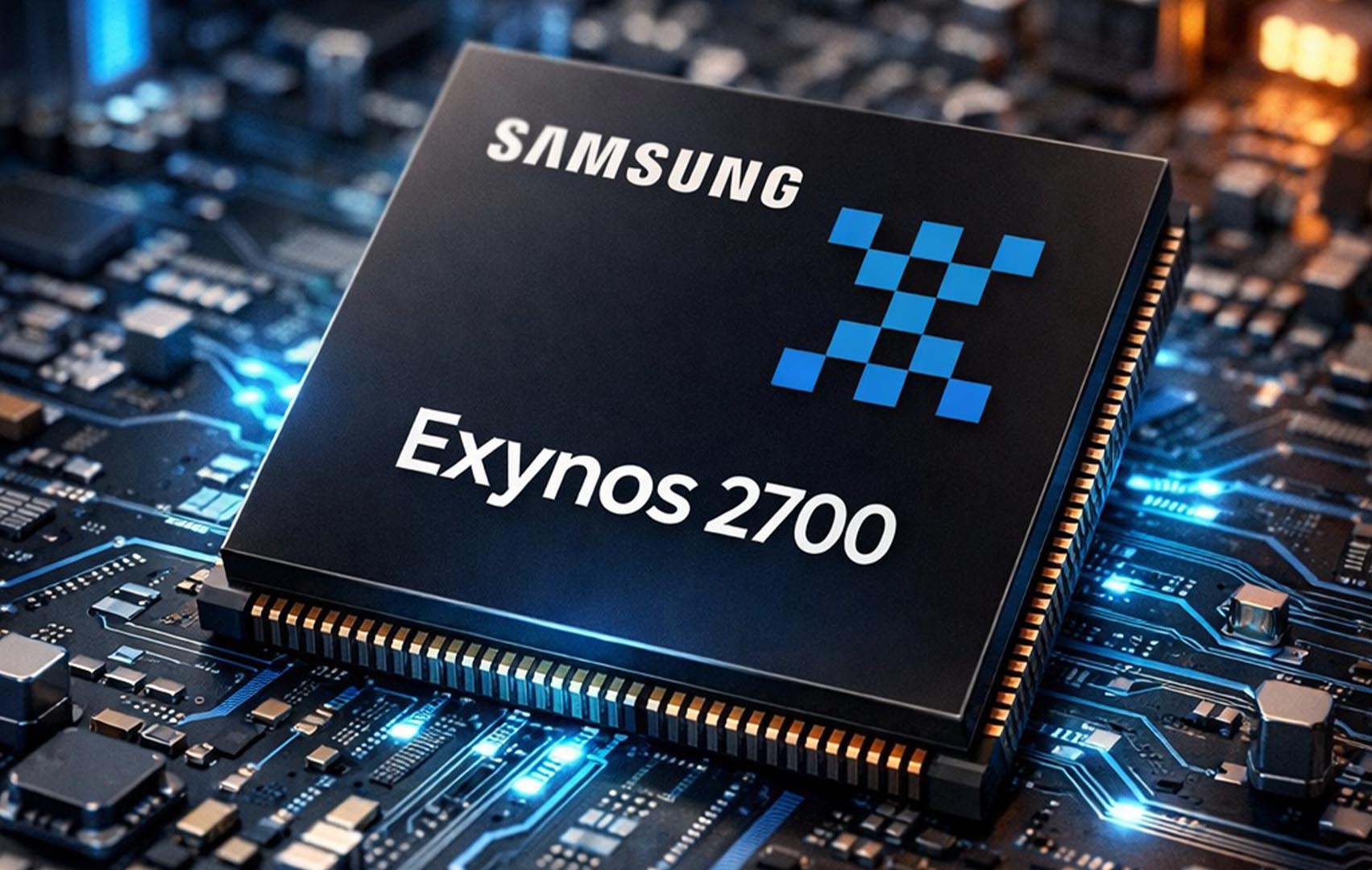
Key Specs
- Process: 2nm GAA (SF2P)
- Core Configuration: ‘4 + 1 + 4 + 1’ cluster
- GPU: ARM Mali (in-house GPU reserved for Exynos 2800)
- Projected Adoption: 50% of Galaxy S27 series
- Manufacturing: Mass production slated for H2 2026
- Financial Impact: Non-memory division sales expected to hit $24.99 billion (36.4 trillion won) in 2026
The Exynos 2700’s rise aligns with Samsung’s broader goal of reducing chipset costs and improving margins. While the Galaxy S27 will still feature a Qualcomm variant, the 50% split represents a deliberate effort to balance performance with self-reliance. For consumers, this could mean more competitive pricing in future models, though benchmark results remain pending.
Samsung’s foundry ambitions extend beyond smartphones. With stabilized 2nm yields, the company is positioning itself as a viable alternative to TSMC for high-end clients, potentially reshaping the global semiconductor landscape.