Samsung has slashed the price of its 27-inch QD-OLED gaming monitor by $350, bringing it down to a level that challenges conventional wisdom around OLED displays. The move positions it as a compelling option for power users weighing upgrade decisions, but the trade-offs—particularly around platform compatibility and future-proofing—are worth careful consideration.
At its core, this monitor is a 27-inch QD-OLED display with a 144Hz refresh rate, 3ms gray-to-gray response time, and HDR support up to 600 nits. It’s built around Samsung’s AL57AM900 model, which has been available for a while but now carries a significantly more accessible price tag. The display itself is a step above traditional LCD panels, offering deeper blacks, higher contrast, and smoother motion—qualities that matter most to competitive gamers or those chasing cinematic visuals.
- Specs at a glance:
- 27-inch diagonal
- QD-OLED panel (AL57AM900)
- 144Hz refresh rate, 3ms GtG response
- $699 (down from $1,049)
- HDR up to 600 nits
- 1ms input lag (with overdrive off)
The price cut is substantial enough to warrant a closer look, especially for those who have been waiting on the sidelines. The monitor’s original launch price was steep, but the current $699 tag puts it in range of mid-tier gaming displays while still delivering OLED-level performance. However, this comes with caveats: Samsung’s QD-OLED panels are known for their brightness and color accuracy, but they’re also proprietary, meaning they won’t work with every GPU or platform. Users relying on AMD GPUs, for example, may face limitations in terms of upscaling or feature parity compared to NVIDIA’s DLSS integration.
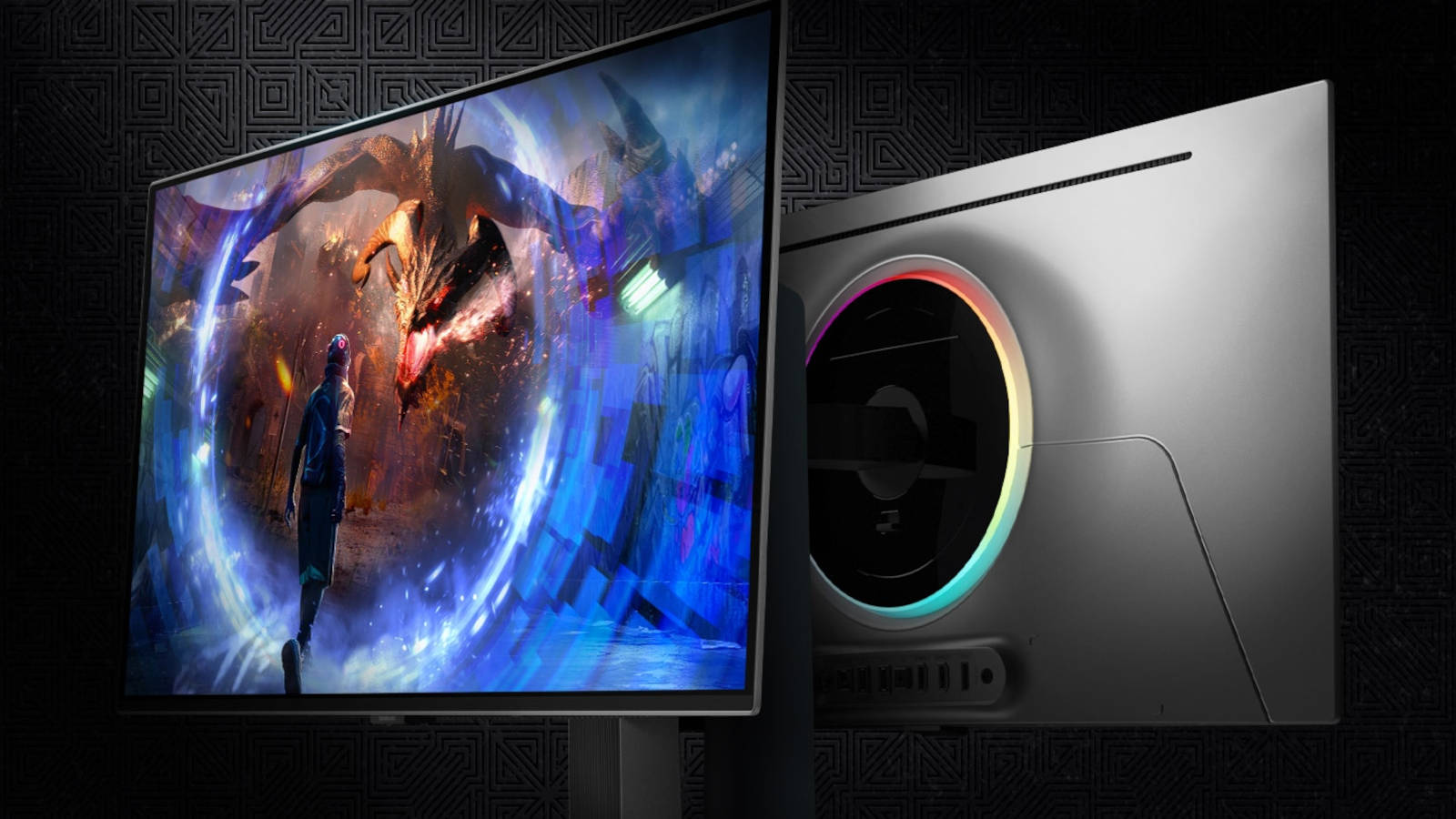
Another consideration is the monitor’s long-term roadmap. OLED panels, while superior in many ways, still carry concerns about burn-in and longevity—especially at this price point. Samsung has made improvements in recent generations, but power users should weigh whether a $700 investment aligns with their gaming habits (e.g., static elements like HUDs) or if they’d be better served by a more traditional panel with a longer lifespan.
For those who prioritize visual fidelity over raw performance metrics, this monitor is a strong contender. The 144Hz refresh rate and low input lag make it viable for competitive titles, while the QD-OLED panel ensures that casual gamers or content creators will see a noticeable upgrade in picture quality. But the real question is whether the price drop signals broader industry shifts or if this remains an outlier in Samsung’s product lineup.
The $350 discount doesn’t change the fact that OLED monitors are still a niche choice for most gamers, but it does blur the lines between ‘premium’ and ‘accessible.’ The decision to buy now hinges on whether users value immediate visual upgrades over potential long-term risks—like platform lock-in or panel durability. For power users who can’t afford to wait, this is as close as it gets to OLED without breaking the bank.