In the relentless march toward smaller, denser chips, Samsung is reportedly gearing up to introduce a 1 nanometer process by 2031. If realized, this would mark a significant milestone in semiconductor technology, potentially allowing for unprecedented transistor packing within the same chip area.
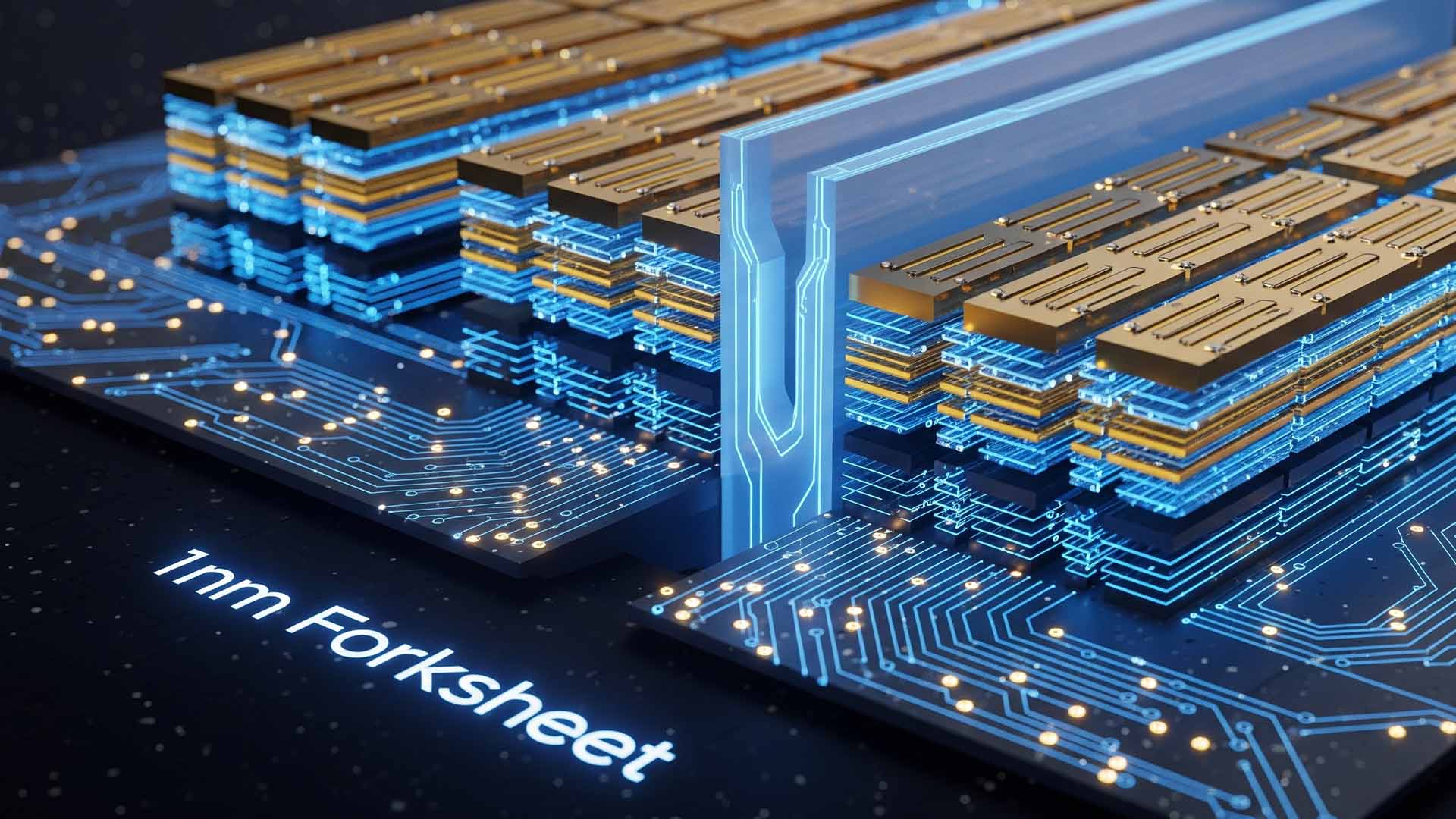
The key to this ambition lies in an innovative approach called 'fork sheet' technology. Unlike traditional methods that rely on etching circuits onto silicon wafers layer by layer, fork sheet involves creating multiple layers of transistors simultaneously. This could theoretically double or even triple the number of transistors per square millimeter, offering a substantial performance boost without requiring further miniaturization.
Key Specs and Implications
- Process Node: 1nm (targeted for 2031)
- Technology: Fork sheet (simultaneous multi-layer transistor creation)
- Potential Benefits:
- Higher transistor density
- Improved performance per watt
- Enhanced power efficiency
The implications for end users are still speculative, but the potential is clear. Chips built on this process could deliver faster processors, more capable GPUs, or even entirely new categories of devices that rely on extreme transistor density. However, the transition to 1nm is not without challenges.
Challenges and Cautious Optimism
First, there’s the question of manufacturability. Moving from current 3nm processes to 1nm will require breakthroughs in materials science, lithography, and defect control. Samsung has already faced hurdles with its 5nm process, which took longer than expected to ramp up. If these challenges persist or worsen at smaller nodes, the timeline could slip.
Second, the real-world benefits for consumers are not guaranteed. While raw transistor count is impressive, performance gains depend on how well those transistors are utilized in design and architecture. Not every application will benefit equally—some may see marginal improvements, while others might require entirely new approaches to take full advantage of 1nm chips.
For creators and hardware enthusiasts, this could be a game-changer, but for everyday users, the impact might be less immediate. High-end devices like AI accelerators or next-gen gaming platforms could see the most significant benefits, while mainstream products may rely on incremental improvements from other advancements.
As of now, Samsung has not confirmed availability or pricing, leaving much to speculation. The semiconductor industry is notoriously unpredictable, and even the most ambitious roadmaps can face delays. For now, the focus remains on whether fork sheet technology can live up to its promise—or if it will become just another milestone in a long list of 'next big things' that never quite materialize.