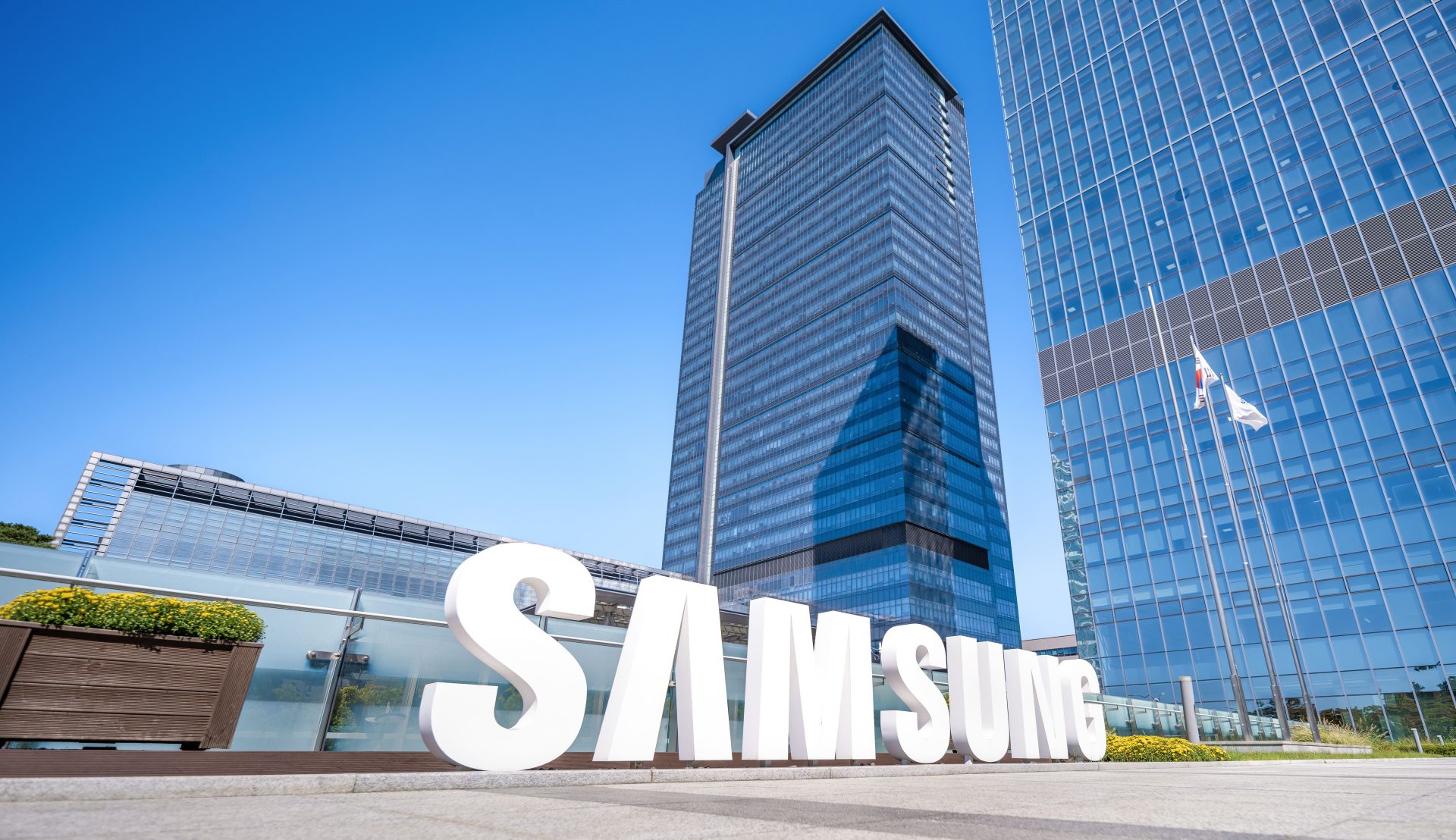
Samsung stands at a crossroads, with an impending 18-day strike threat casting a shadow over its operations. Workers are demanding $30 billion in bonuses, a sum that far exceeds conventional corporate payouts and underscores the financial strain the company is under. This demand, if met, would represent an unprecedented commitment for Samsung, which has long been a leader in semiconductor innovation and consumer electronics.
For enterprise buyers, this situation introduces a layer of uncertainty. Samsung's stability has historically been a key factor in procurement decisions, but the financial burden of such bonuses could translate to higher costs or supply chain adjustments. IT teams may need to reassess their strategies if Samsung's operational focus shifts from innovation to internal financial stabilization.
What’s at Stake for Samsung
The sheer scale of the demand suggests more than just employee dissatisfaction; it hints at a broader tension between corporate profitability and workforce expectations. Samsung has been aggressive in expanding its semiconductor business, a move that requires significant capital investment. A prolonged strike could delay critical projects or divert resources away from R&D, potentially impacting product roadmaps for years to come.
Impact on Enterprise Buyers
Enterprises relying on Samsung's ecosystem may find themselves recalculating budgets if the company's operational focus shifts. The timing of this strike threat is particularly notable, as it coincides with Samsung's push into new markets and technologies. Admins and IT teams will need to monitor the situation closely, as any delays or resource reallocations could have far-reaching consequences for product availability and innovation.
A Generational Perspective
This isn't the first time labor disputes have tested Samsung's resolve. The company has weathered strikes in the past, but the scale of this demand is a stark departure from previous negotiations. It forces a comparison to earlier eras, when Samsung's growth was fueled by relentless cost-cutting and global expansion. Today, that model may no longer be sustainable.
For enterprise buyers, the takeaway is clear: stability matters more than ever. If Samsung prioritizes short-term financial fixes over long-term innovation, it could reshape the hardware landscape for years. The question isn't just whether this strike will happen—it's what it means for Samsung's ability to deliver on its promises.