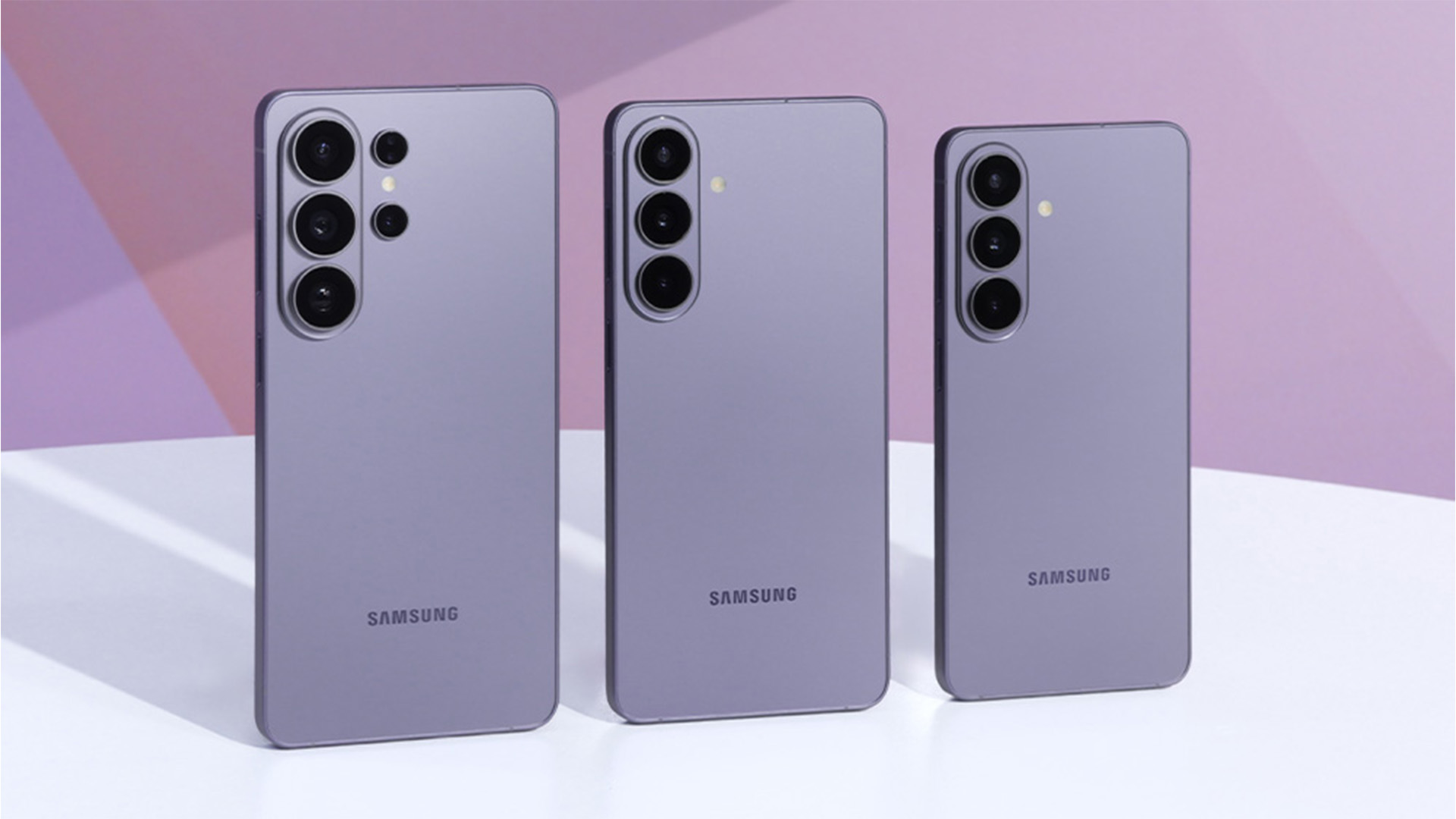
The Samsung Galaxy S26 is poised to redefine what consumers expect from a flagship smartphone, but its arrival in Europe may not follow the usual timeline. While global launch rumors have pointed to mid-February, internal adjustments suggest a later debut—possibly March 11, 2026—potentially affecting pre-sales and promotional campaigns across the continent.
This shift, if confirmed, would mark a departure from Samsung’s traditional simultaneous rollout in major markets. The company may be leveraging February for global announcements and pre-orders, while reserving March for physical availability in Europe, a strategy that could influence regional pricing and stock allocation.
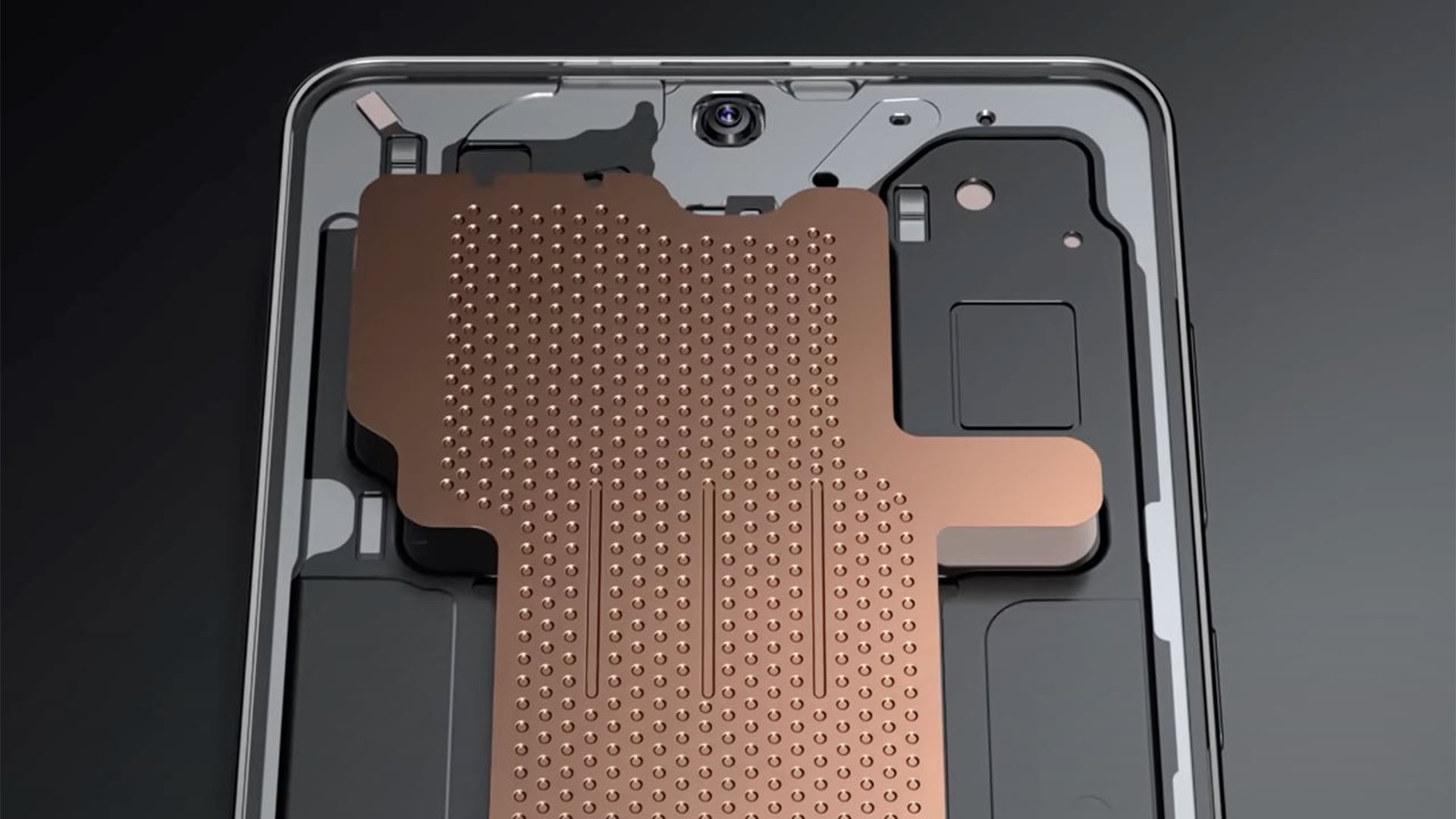
The Galaxy S26 is expected to retain the compact yet powerful form factor of its predecessors, with a focus on performance and efficiency. The model will be powered by Samsung’s latest Exynos 2600 chipset, designed to balance speed and thermal management—a key consideration in today’s high-performance devices.

Key specs
- Display: 6.3-inch Dynamic AMOLED 2X (FHD+, 120 Hz refresh rate)
- Chipset: Exynos 2600 (Europe-specific variant)
- Memory & Storage: 12 GB RAM, up to 512 GB internal storage
- Cameras: 50 MP main sensor, 12 MP ultra-wide, 12 MP telephoto (3x optical zoom), 12 MP front camera
- Battery: 4,300 mAh capacity with 45 W fast charging and 20 W Qi2 wireless charging support
- Software: Android 16 with One UI 8.5
- Durability & Connectivity: IP68 rating, Wi-Fi 6E, UWB, satellite emergency communications (Eis)
The 120 Hz display ensures smooth visuals, even under heavy workloads, while the Exynos 2600 chipset promises significant improvements in processing power and battery efficiency. The 50 MP main camera, paired with advanced computational photography features, will likely set a new benchmark for mobile imaging.
Battery life remains a critical focus, with the 4,300 mAh capacity and dual-charging support (45 W wired, 20 W wireless) addressing one of the most common pain points in premium devices. The inclusion of satellite emergency communications (Eis) further expands the device’s utility, particularly in remote or disaster-stricken areas.
Pricing has not been officially confirmed, but industry trends suggest a starting tier around €850 for the base model, with higher storage options pushing the cost closer to €1,000. Availability is expected to align with the revised launch date, though regional pricing may vary based on market demand.