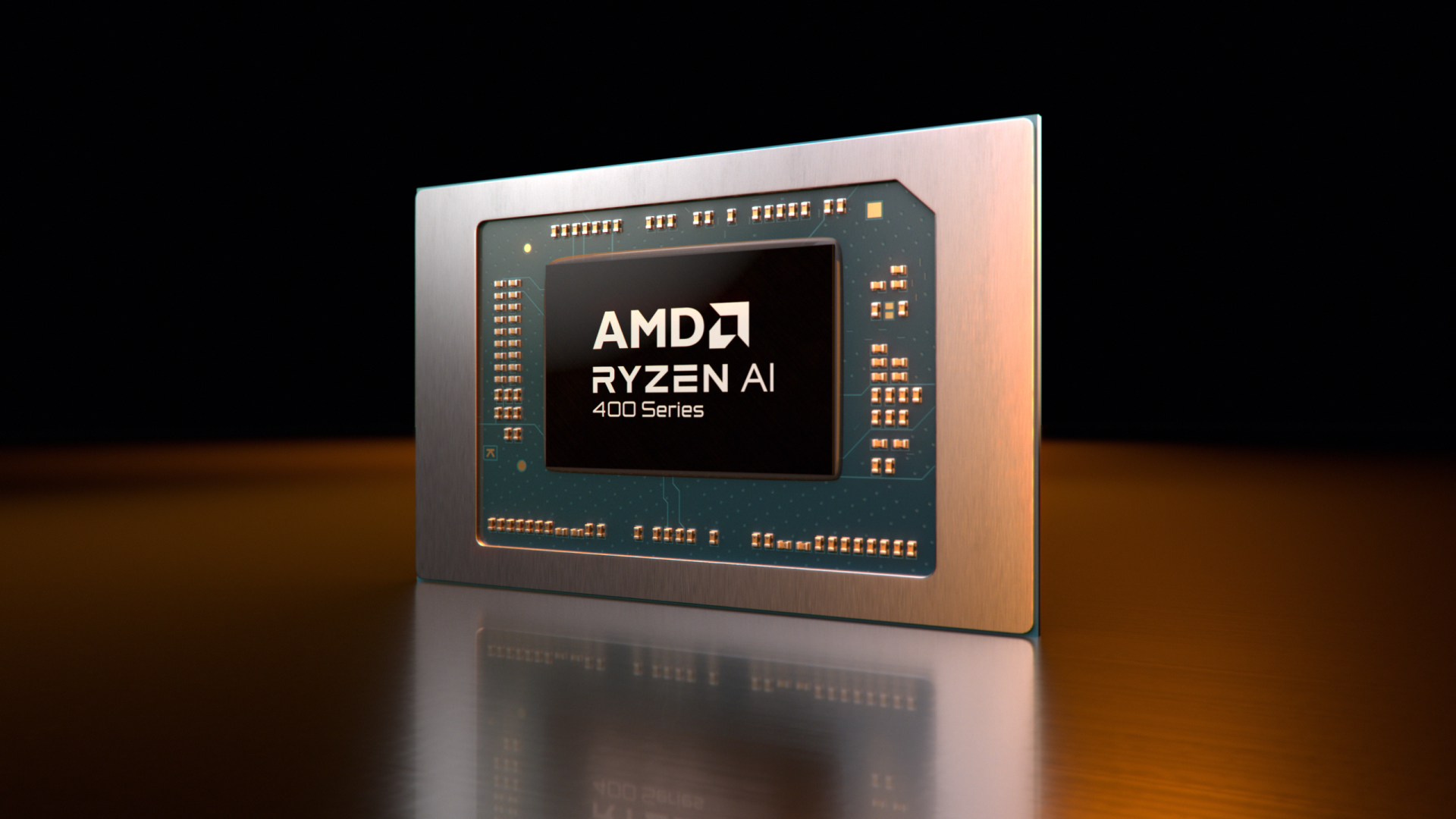
The latest generation of AMD's Ryzen AI 400 desktop APUs has arrived with a mix of advancements and limitations that could reshape upgrade decisions for developers and power users. While the shift to Zen 5 architecture delivers noticeable improvements in integrated graphics performance, the reduction in usable PCIe lanes—down to just 10 or 12—poses practical challenges for system designers and those planning future-proof builds.
At first glance, the Ryzen AI 400 series appears to be a natural evolution of AMD's previous Zen 4-based offerings. The top-tier model, the Ryzen AI 7 450G, now features up to 16 PCIe 4.0 lanes, but only 12 are usable for discrete GPUs or high-speed storage. This is a stark contrast to its predecessor, the Ryzen 7 8700G, which offered four more lanes. The implication is clear: users will be limited to x8 mode for GPUs, which can lead to performance bottlenecks, especially for entry-level graphics cards like the RX 9060 XT (8 GB) or RTX 5060 Ti (8 GB).
For developers and systems integrators, this limitation is more than a minor inconvenience. Running a GPU in PCIe 4.0 x8 mode can result in noticeable frame drops and stuttering, particularly in titles optimized for higher bandwidth. The impact is even more pronounced with GPUs that have lower VRAM capacities, such as the RTX 5060 Ti (16 GB) running at PCIe 3.0 x16, which delivers almost seven times more FPS compared to its 8 GB counterpart in the same configuration. This tradeoff forces a careful balance between immediate performance needs and long-term upgradeability.
Key Specifications
- PCIe Lanes: 10 or 12 usable PCIe 4.0 lanes (depending on the model), down from 16 in previous generations.
- Integrated Graphics: RDNA 3.5-based Radeon 860M graphics, offering up to 50 TOPS of AI performance.
- CPU Cores: Options range from Ryzen 5 9600X (6 cores) to Ryzen 9 9955HX (12 cores), with Zen 5 architecture.
- Socket Support: AM5 platform, ensuring compatibility with existing motherboards and cooling solutions.
The reduction in PCIe lanes is not an isolated issue; it signals a broader shift in AMD's strategy for the Ryzen AI 400 series. While this approach may be more suitable for compact or mini-PC systems where space and power constraints are critical, it raises questions about the series' suitability for high-performance desktop builds. For those prioritizing upgradeability, the Ryzen 9000 series or even the previous Ryzen 8000G series might still hold more appeal, despite their higher costs.
Implications for Developers
Developers working on AI workloads will need to weigh the benefits of Zen 5's improved performance against the limitations imposed by fewer PCIe lanes. The Ryzen AI 400 series introduces up to 50 TOPS of AI compute, a significant leap from previous generations, but the bottleneck at the storage and GPU interface could offset some of these gains in real-world applications. This means that while the APU excels in integrated graphics performance, its ability to handle high-bandwidth tasks—such as training large models or processing multi-GPU setups—may be constrained without careful system design.
For now, the Ryzen AI 400 series seems best positioned for entry-level gaming PCs or systems where power efficiency is a priority. The AM5 socket ensures that users can leverage existing motherboard and cooling investments, but the PCIe lane limitation will likely steer buyers toward more compact form factors or those willing to accept performance compromises in favor of integrated graphics. As AMD continues to refine its roadmap, the question remains: how long until these limitations are addressed, or whether the industry will adapt to this new constraint as a standard tradeoff?
Where things stand today is that the Ryzen AI 400 series offers a compelling balance for certain use cases, but its reduced PCIe lanes may leave some users and developers on the sidelines until further improvements arrive.