The holiday PC market is facing an unexpected challenge: skyrocketing RAM costs that are forcing builders to rethink their strategies. What was once a season of performance upgrades and premium components has become one of careful budgeting, with DDR4 prices at levels not seen since the technology’s early adoption.
This shift isn’t limited to high-end enthusiasts. Mid-range systems, which typically rely on 16GB DDR4 kits for gaming and productivity, are now a luxury item for many consumers. The result is a market where buyers must decide between smaller capacities or significantly higher costs—neither of which appeals in an already tight economic climate.
Behind the scenes, supply chains are under immense pressure. Data centers, which have been the primary driver of RAM demand for years, show no signs of reducing their consumption. Meanwhile, consumer-grade memory remains the weak link, leaving retailers and builders scrambling to fulfill orders without further price hikes. The question looming over the holiday season is whether this shortage will persist into 2024 or if supply can finally catch up.

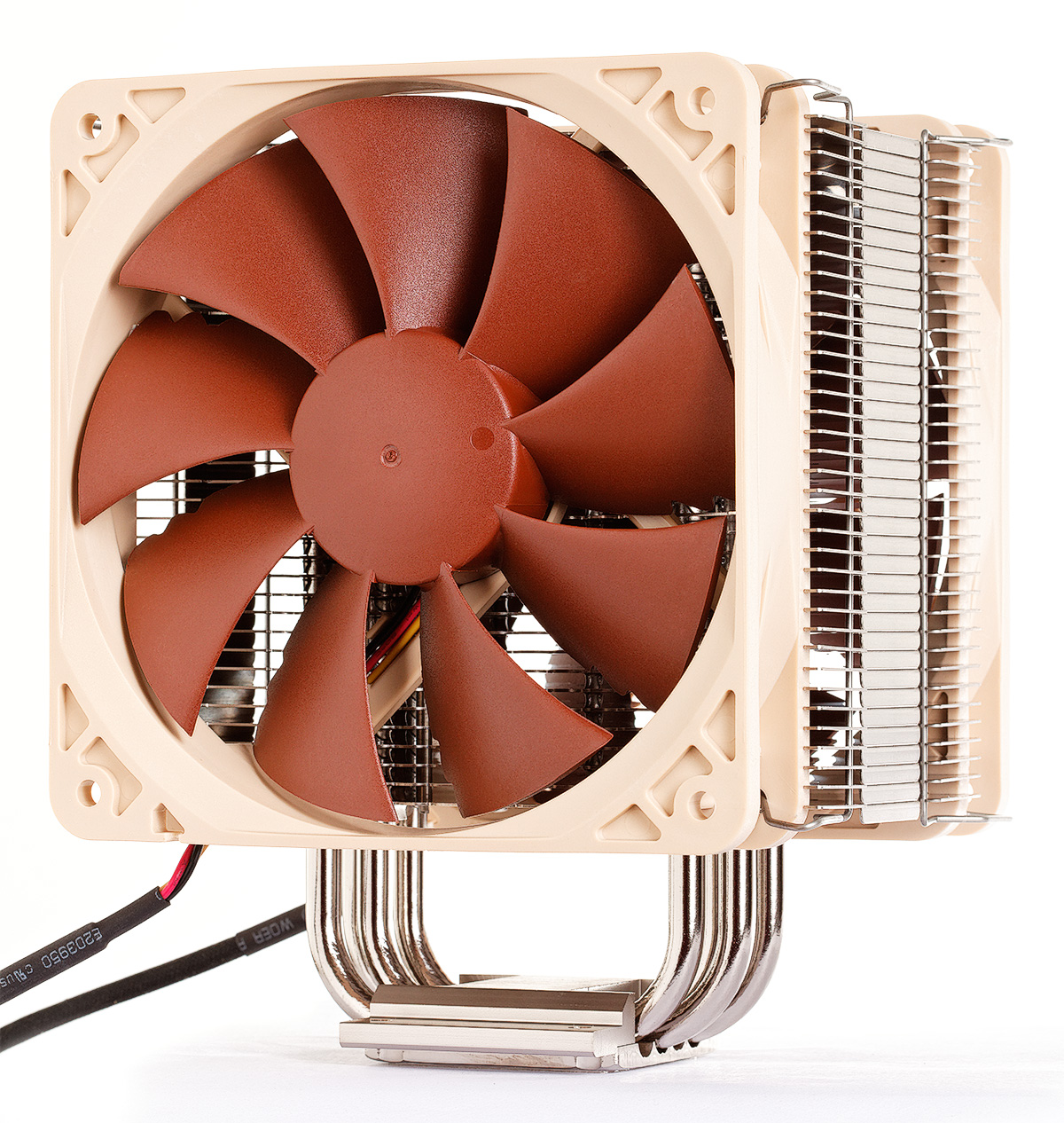
For those building systems for demanding workloads—video editing, 3D rendering, or high-end gaming—the implications are particularly acute. Efficiency isn’t just about raw performance anymore; it’s about thermal management and system stability. A cooler-running build can mean the difference between a reliable setup and one that throttles under load. With RAM prices at current levels, builders are forced to weigh whether every upgrade is justified or if cost savings should take precedence.
- RAM prices have reached multi-year highs, making 16GB DDR4 kits a premium offering rather than a standard.
- Data center demand continues to outstrip consumer supply, prolonging the shortage with no immediate relief expected.
- Builders are prioritizing efficiency and heat management over raw performance due to rising costs.
The impact on holiday sales is already visible. Retailers are advising customers to delay non-essential upgrades, while builders are adjusting their expectations for the season. DDR5, though a long-term solution, remains out of reach for most due to availability and cost constraints.
Looking ahead, the market’s stability hinges on whether supply chains can stabilize demand. For now, the holiday season may see a shift toward more budget-conscious builds unless prices begin to normalize soon. Those who need RAM immediately face a tough choice: pay the premium or wait for better options down the line.