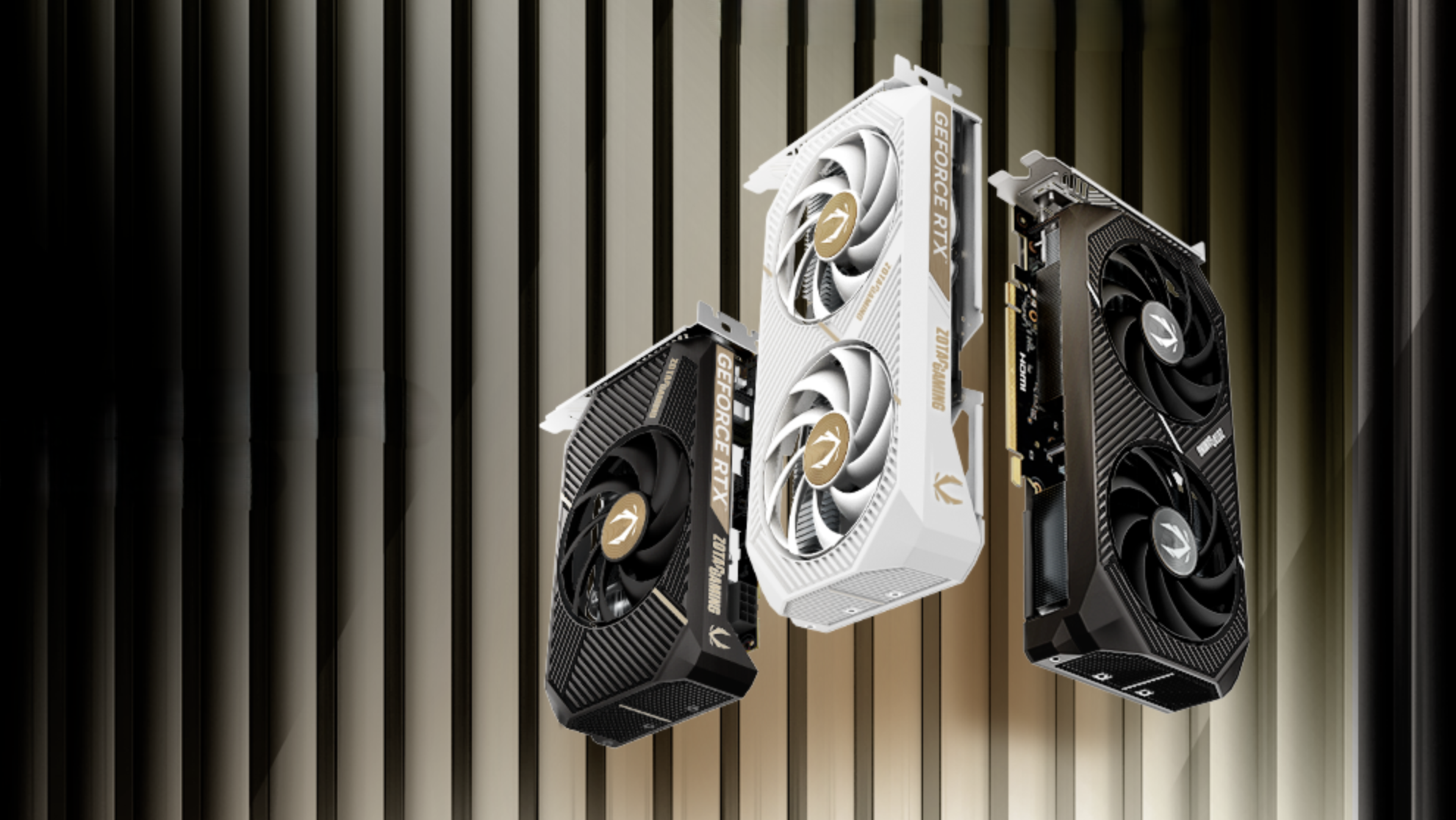
The global semiconductor shortage has been a recurring nightmare for PC enthusiasts, but now a leading graphics card manufacturer is sounding the alarm: the current memory crisis isn’t just a temporary hiccup—it could force entire GPU brands out of business.
Zotac, a key player in the discrete GPU market, has framed the shortage of high-bandwidth memory (HBM) and GDDR6 as a systemic threat to the industry’s survival. Without immediate relief, the company warns, manufacturers may struggle to fulfill orders, delay launches, or even go under—leaving consumers with fewer options and higher prices for the foreseeable future.
Why does this matter? For gamers and content creators, the stakes are clear: if GPU production stalls, new cards could vanish from shelves for months. For builders, the ripple effects may include skyrocketing prices, limited availability of high-end models, and a return to the chaotic market conditions seen in 2020–2021.
But what exactly is causing this crisis? Unlike the broader DRAM shortage, which has plagued CPUs and motherboards, the GPU industry’s pain point is specialized memory. High-performance GPUs—especially those targeting AI, data centers, and high-refresh-rate gaming—rely on HBM (High Bandwidth Memory) and GDDR6, both of which are in critically short supply. Foundries producing these chips have faced delays, reduced output, or shifted priorities to more profitable markets, leaving GPU makers scrambling.
The Domino Effect: How Memory Shortages Cripple GPU Production
Most GPUs today are built on TSMC’s 5nm and 6nm process nodes, but the real bottleneck isn’t chip fabrication—it’s the memory that accompanies them. A single high-end GPU can require hundreds of memory chips, and with demand surging from AI workloads, data centers, and cryptocurrency mining, manufacturers are struggling to secure allocations.
Zotac’s warning highlights three immediate risks
- Production halts: Without memory, manufacturers cannot assemble GPUs, leading to canceled orders and delayed shipments.
- Price inflation: Limited supply pushes costs up, and manufacturers may pass these expenses to consumers.
- Industry consolidation: Smaller GPU brands could fail to secure memory allocations, forcing them out of the market entirely.
The situation is particularly dire for AI-focused GPUs, which require even more memory than traditional gaming cards. Companies like Nvidia, AMD, and Intel are already adjusting their roadmaps, but the trickle-down effect on consumer GPUs could be severe.
Who Gets Hit Hardest?
Not all PC users will feel the pinch equally. Here’s how the crisis could play out
- Gamers: High-end GPUs (like Nvidia’s RTX 40-series or AMD’s RX 7000) may see prolonged shortages, forcing buyers to settle for older models or mid-range alternatives.
- Content creators: Professionals relying on GPUs for rendering, video editing, or 3D workloads could face delays in upgrading to newer, more efficient hardware.
- Builders: Prebuilt systems may become harder to source, and custom PC assemblers could struggle to meet demand as component availability fluctuates.
- Enterprise/AI users: Data centers and AI research labs may see priority access to memory, further squeezing consumer markets.
For now, the most vulnerable are those eyeing next-generation GPUs. If memory shortages persist into 2024, even mid-range cards could become scarce, pushing prices to record highs.
Is There Light at the End of the Tunnel?
Memory shortages are rarely permanent, but resolving them requires coordination across multiple industries. Possible solutions include
- Increased production: TSMC and other foundries may ramp up HBM and GDDR6 output, though this could take months.
- Alternative memory: Some GPU designs may adopt lower-bandwidth memory as a stopgap, but this could hurt performance.
- Government intervention: In extreme cases, governments may step in to stabilize supply chains, as seen in past semiconductor crises.
Until then, consumers should brace for volatile pricing and limited stock. Stockpiling GPUs may not be wise—supply chains are unpredictable—but keeping an eye on manufacturer announcements could help avoid disappointment.
The bottom line? The GPU industry is at a crossroads. If memory shortages drag on, we may see a permanent shift in who controls the market—and who gets left behind.