RAM prices are dropping, but the question isn’t whether they’ve fallen—it’s whether it’s safe to buy yet.
The memory market has been turbulent for years, with prices skyrocketing and then stabilizing at levels far above pre-pandemic norms. Now, those costs are easing, but the relief is uneven. Some kits have seen double-digit percentage drops in just months, while others remain stubbornly expensive. The shift is real, but the timing is still uncertain.
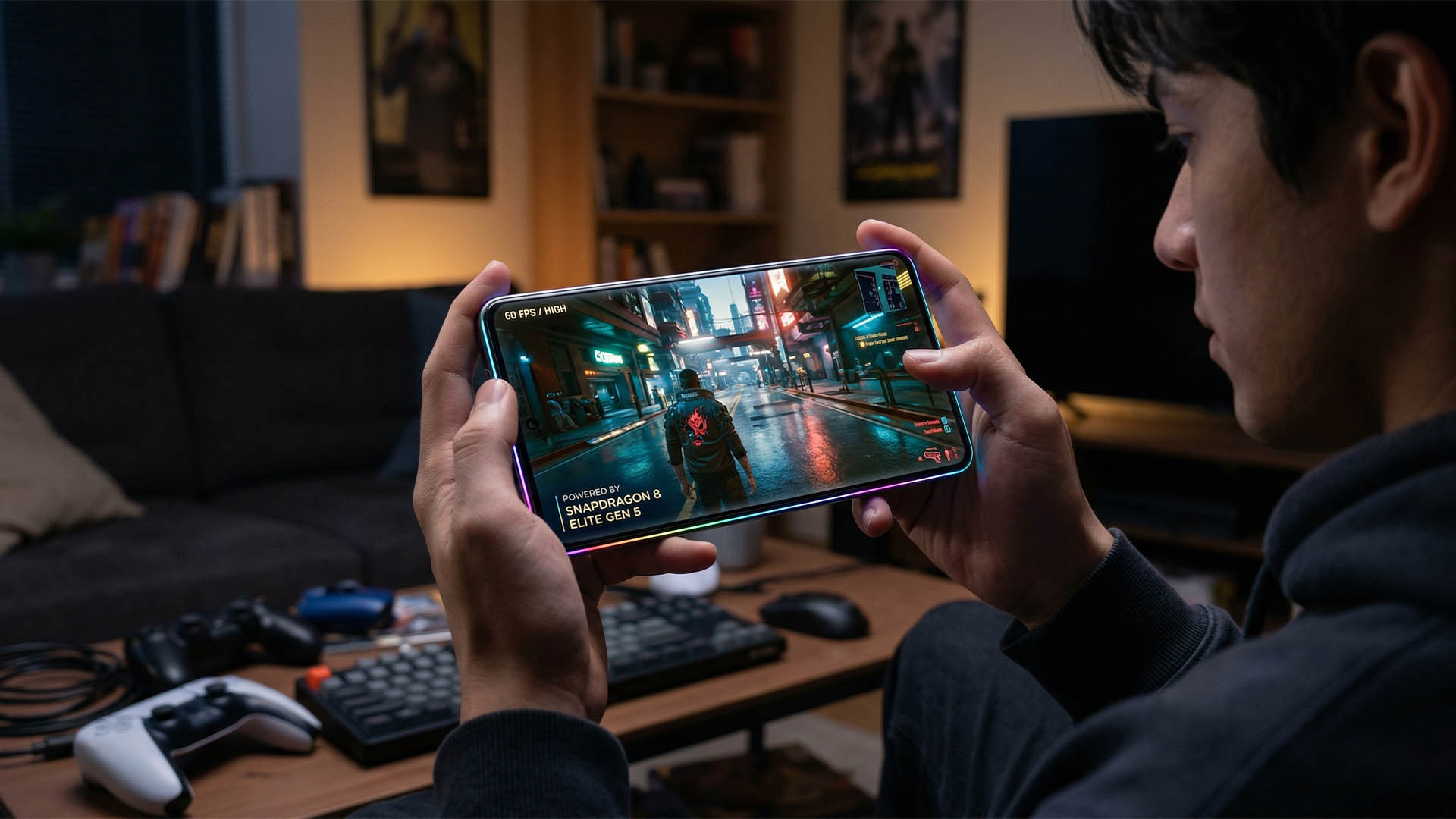
For gamers, this matters more than ever. RAM capacity and speed directly impact performance in modern titles, where higher bandwidth and lower latency can mean the difference between a smooth experience and stuttering frames. Yet, with prices still elevated compared to historical lows, the decision to upgrade isn’t straightforward.
What’s Changing—and What Isn’t
The most immediate change is price. Kits that once cost upwards of $150 for 32GB are now available closer to $100 or less in some cases. That’s a meaningful drop, but it’s not the whole story.
Underlying demand hasn’t disappeared. Data centers and AI workloads continue to consume massive amounts of memory, which can trickle down into retail prices when supply is tight. While new manufacturing lines are coming online, they won’t flood the market overnight. Inventory levels are still lean in many regions, meaning shortages could reappear if demand spikes unexpectedly.
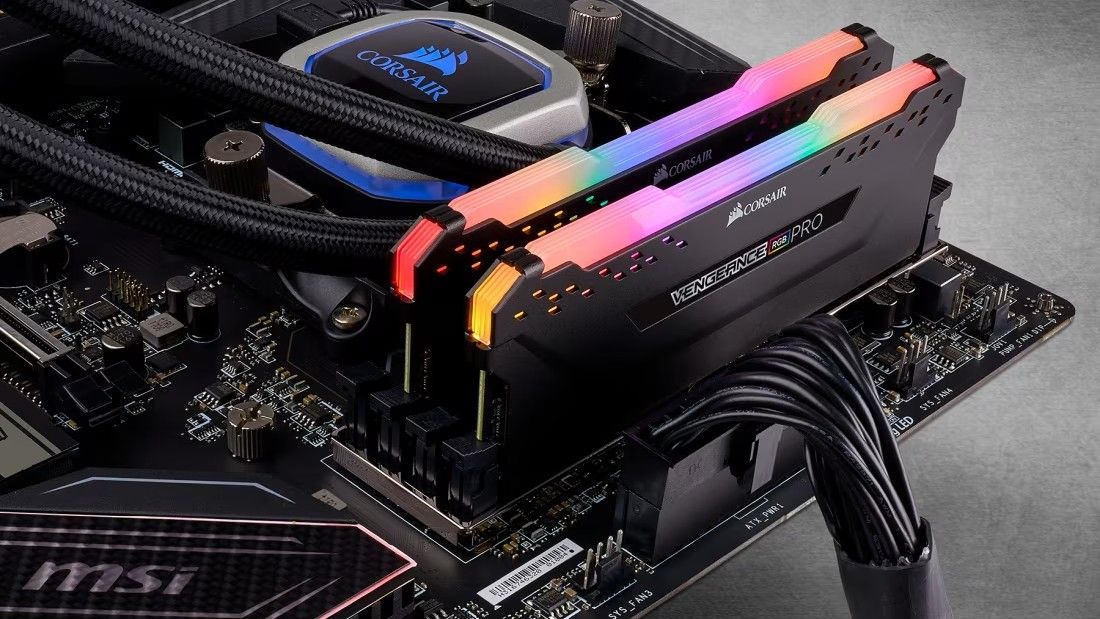
Performance vs. Price: The Gamer’s Dilemma
Gamers need to weigh two factors: current price drops and long-term stability. A 20-30% reduction on a high-capacity kit is tempting, but the risk remains that prices could climb again if supply chain issues resurface.
For those building or upgrading systems now, the best approach may be to target mid-range kits with proven performance rather than chasing the absolute lowest price. Higher-end modules, while offering marginal gains in speed, often come with premium pricing that doesn’t always justify the cost for gaming workloads.
The other consideration is timing. If a system is already running on older, lower-capacity RAM, the urge to upgrade can be strong—especially when prices dip. But jumping too soon could mean missing out on better value later if the market stabilizes further.
For now, patience may pay off. The most stable buyers will likely be those who need specific capacities for new hardware or are building systems that require higher RAM counts from the start. For others, waiting a few more months to see if prices fall further—or at least stabilize—could mean avoiding potential future volatility.
The bottom line is this: the drop in RAM prices is welcome, but it’s not yet a green light for mass upgrades. The smart move for gamers right now is to monitor trends closely and act when both price and supply are more predictable.