Sony’s PlayStation 5 stands as one of the most powerful gaming consoles on the market, with hardware capable of near-native performance when running PlayStation 3 games. Yet, despite this technical prowess, the company has shown little interest in fully enabling backward compatibility—a decision that could have significant consequences for enterprise buyers.
The PS5’s architecture, featuring a custom AMD Zen 2 CPU and RDNA 2 GPU, delivers impressive performance, far surpassing what PlayStation 3 hardware could achieve. Load times are drastically reduced, and graphical enhancements like ray tracing or upscaled resolutions are often possible with minimal effort. However, this strength is accompanied by a notable weakness: the lack of full native backward compatibility support.
For enterprise buyers, this gap presents a critical consideration. While the PS5’s raw power and modern features make it an attractive option for high-performance tasks, its limitations in backward compatibility could leave some legacy workloads unsupported or under-optimized. This mismatch between capability and commitment raises questions about Sony’s priorities and whether this oversight could become a dealbreaker for businesses relying on older titles.
- The PS5 can run PS3 games with near-native performance but lacks full backward compatibility support.
- Sony has shown little interest in enabling native backward compatibility, leaving legacy workloads potentially unsupported.
- Enterprise buyers should weigh the PS5’s strengths (power, speed) against this gap when evaluating upgrade options.
The technical capability to support PlayStation 3 games is undeniable. Benchmarks confirm that the PS5 can handle these titles with minimal performance loss, yet Sony has not implemented full native support. This means some titles may still rely on emulation layers or other workarounds, which can introduce inconsistencies or performance bottlenecks.
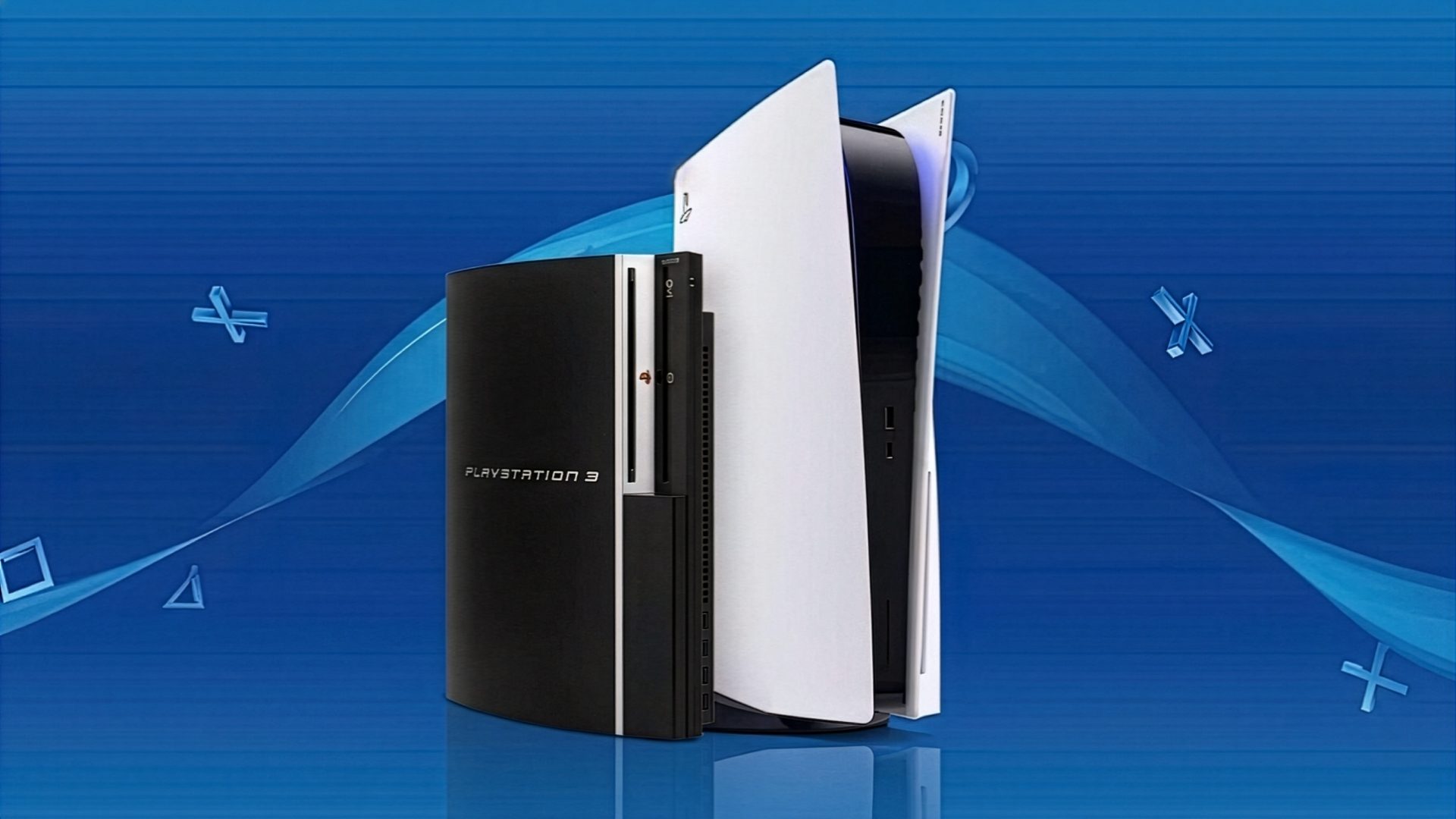
This strategic oversight is particularly puzzling given the console’s strengths in other areas. The PS5’s architecture is built for speed, with load times that are a fraction of their PlayStation 3 counterparts. Graphical enhancements like ray tracing and upscaled resolutions further enhance its appeal. However, the lack of robust backward support could be a limiting factor for enterprise buyers who prioritize seamless transitions.
Sony’s indifference to this issue leaves enterprise buyers in a tricky position. They gain access to cutting-edge hardware, but without the full backward support they might expect. This raises questions about whether Sony plans to address this gap in future updates or if it will remain a low priority. For now, buyers should treat backward compatibility as an uncertain variable when evaluating the PS5 for enterprise use.
Where things stand: The PS5 is a powerful console with strong performance and modern features, but its lack of full backward compatibility support could be a limiting factor for some enterprise buyers. Those prioritizing legacy workloads may need to weigh this against other options.