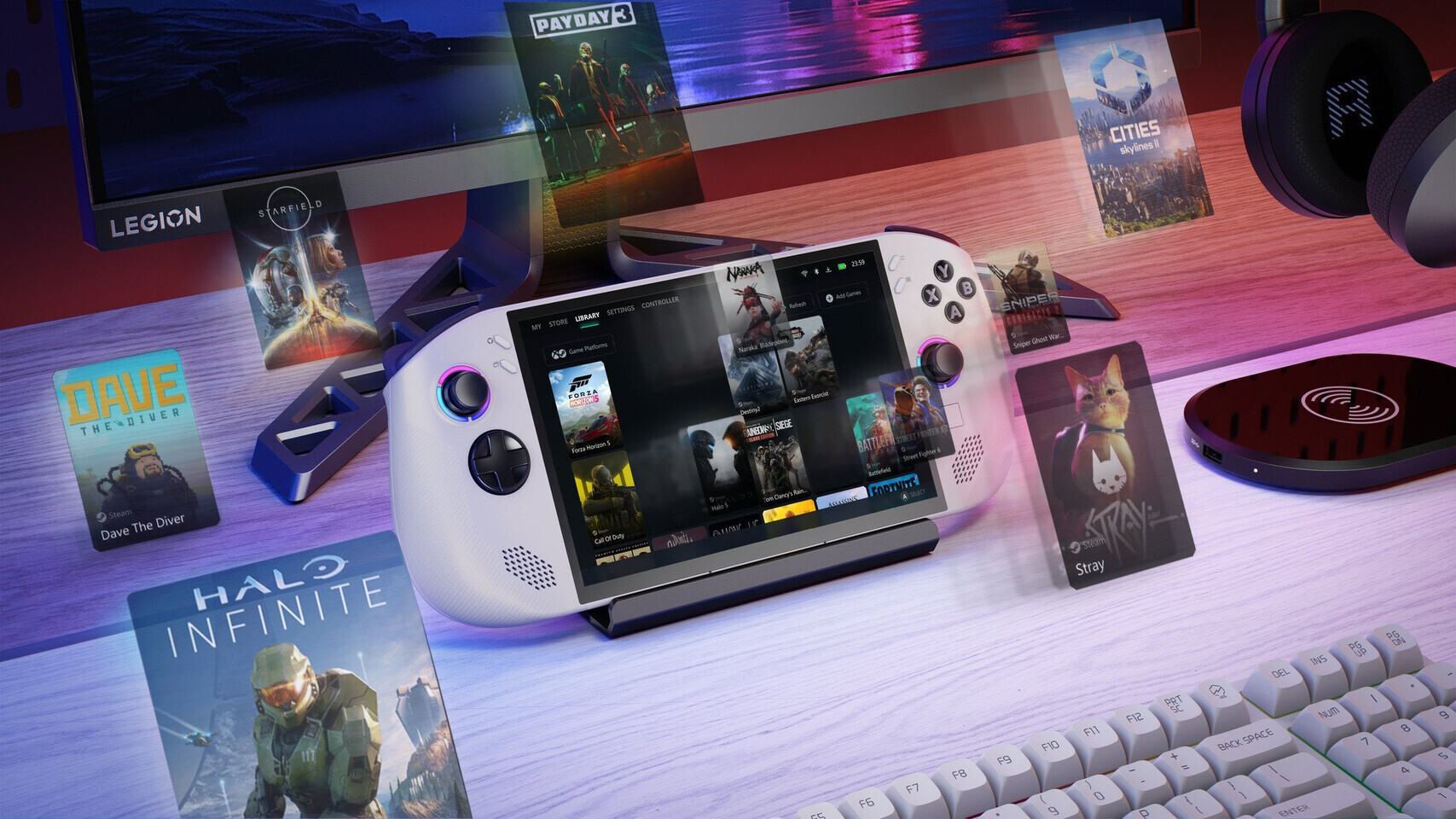
Microsoft has unveiled its next-generation console, Project Helix, with a focus on unifying PC and console gaming experiences through advanced technologies.
The new console will incorporate next-gen ray tracing, neural rendering techniques like upscaling and multi-frame generation, and deep texture compression. These features are designed to enhance visual fidelity and performance without sacrificing quality or compatibility across platforms.
Developer alpha versions of Project Helix are scheduled for 2027, marking a significant step forward in Microsoft's gaming strategy. Meanwhile, Xbox Mode is set to launch on all Windows PCs this April, further integrating console-like experiences into the PC ecosystem.
Key Specs
- Ray Tracing: Next-generation ray tracing for realistic lighting and shadows.
- Neural Rendering: Upscaling and multi-frame generation to improve visual quality.
- Texture Compression: Deep texture compression for efficient data handling.
- DirectStorage: Streamlined game data loading from SSDs.
The console is built on a family of silicon designed to work across multiple devices, ensuring consistent performance and compatibility. This approach aims to eliminate the artificial barriers between PC and console gaming, providing users with a seamless experience regardless of platform.
Microsoft's strategy also includes cross-platform integration through Xbox Play Anywhere, allowing players to progress uniformly across both console and PC versions of games. Additionally, the company is focusing on game preservation, ensuring older titles remain playable in new ways.

Who It's For
Project Helix is targeted at gamers who seek a unified experience without compromising on performance or features. The integration of Xbox Mode into Windows PCs this April will make console-like experiences more accessible to PC users, while the upcoming console will offer advanced capabilities for those who prefer dedicated hardware.
The focus on deep texture compression and DirectStorage also addresses concerns about data efficiency and storage requirements, making high-end gaming more feasible on a wider range of devices. This could be particularly beneficial for small businesses looking to adopt gaming technologies without significant infrastructure changes.
What Remains Unclear
While Microsoft has outlined its vision for Project Helix, several details remain unclear. For instance, the exact performance metrics for neural rendering techniques and ray tracing are not yet characterized. Additionally, the pricing and availability of the console have not been confirmed, leaving potential buyers with questions about cost and accessibility.
Closing Note
Project Helix represents a significant shift in Microsoft's approach to gaming, aiming to break down the barriers between PC and console experiences. With developer alphas expected in 2027 and Xbox Mode expanding to Windows PCs this April, the focus is on creating a more integrated and consistent gaming ecosystem. The success of this strategy will depend on how well it addresses the needs of both casual and hardcore gamers alike.