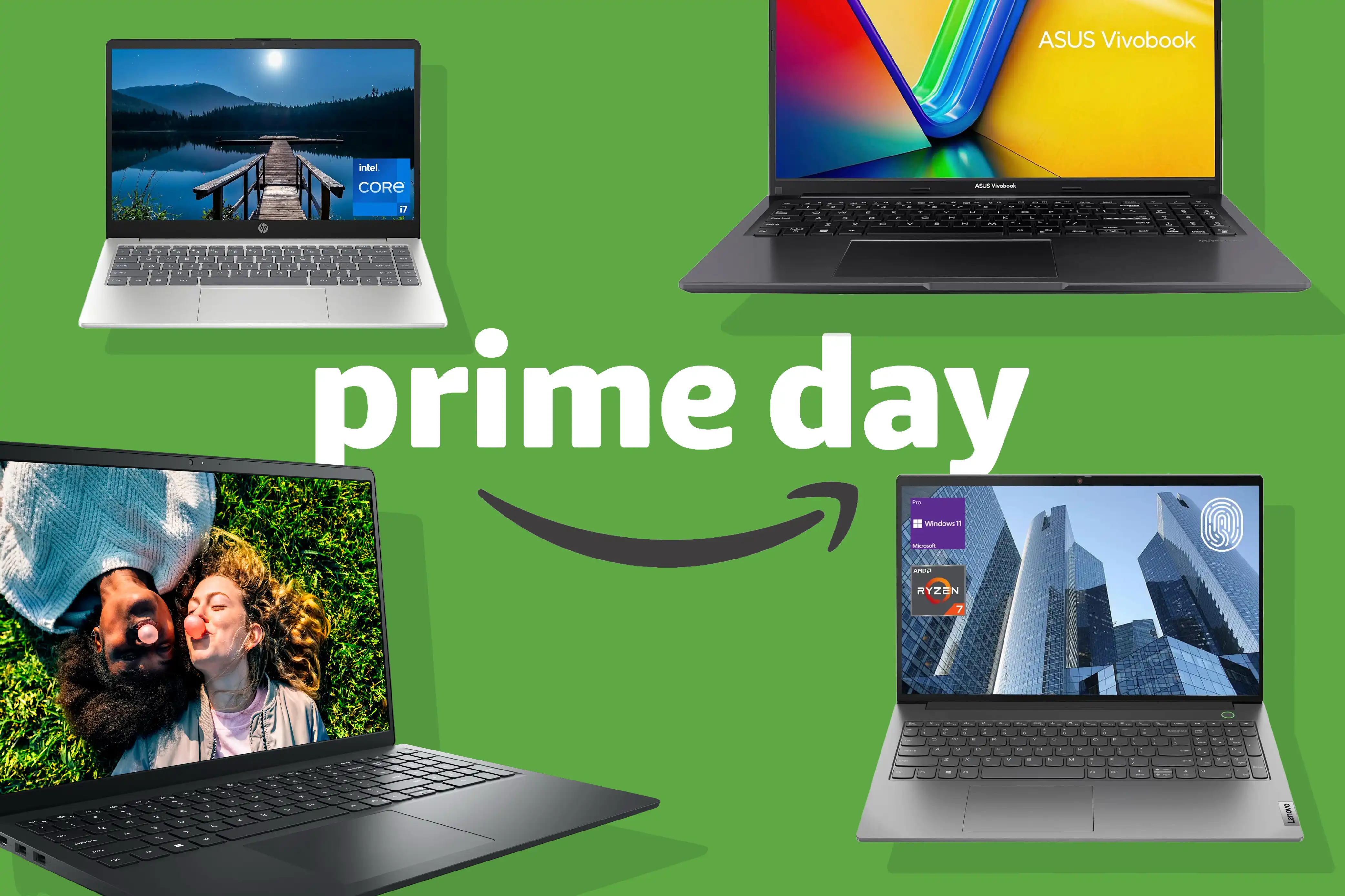
Small businesses that have been eyeing a hardware refresh now face a critical window: this week’s Prime Day laptop deals could deliver significant savings—or lock them into outdated platforms if they misjudge the timing.
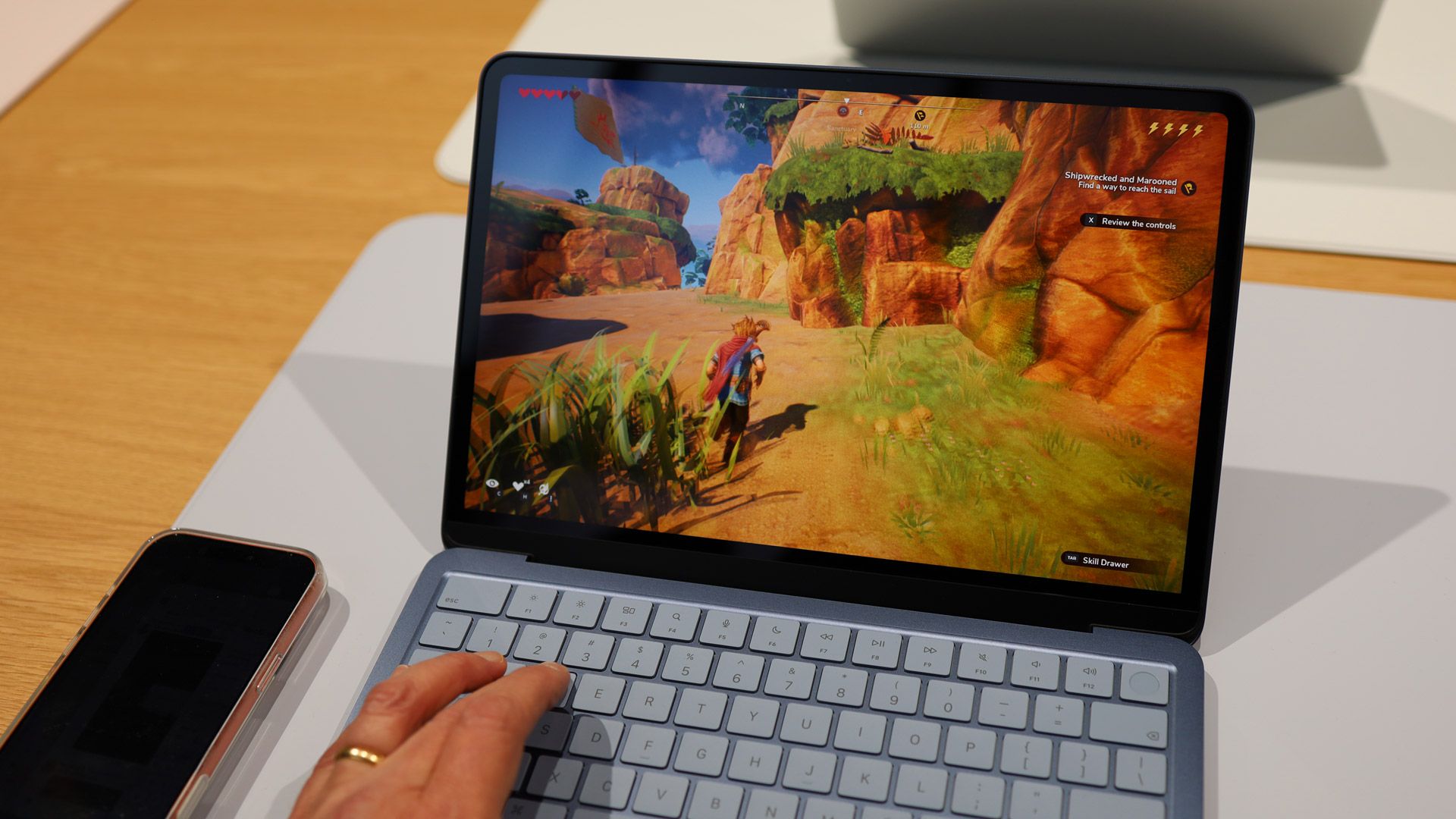
The standout offer is a 14-inch ultrabook with 16GB of RAM, 512GB SSD storage, an Intel Core Ultra 7 155H processor running at 3.0GHz (with up to 4.8GHz turbo), and a 14-inch 2.8K display. Priced at $999 during the event, it represents a 20% discount off its usual list price. But whether this deal is a smart investment hinges on more than just the sticker shock.
Why This Deal Matters Now
The laptop’s Intel Core Ultra 7 chip is part of a broader shift in business-grade hardware toward platforms that balance performance with power efficiency—a trend that will only accelerate in 2025. Small businesses that skip this opportunity risk falling behind on both cost savings and compatibility with emerging software stacks.
Specs at a Glance
- Processor: Intel Core Ultra 7 155H (3.0GHz, up to 4.8GHz turbo)
- RAM: 16GB LPDDR5x
- Storage: 512GB NVMe SSD
- Display: 14-inch 2880x1800 (2.8K) IPS, 100% sRGB
- OS: Windows 11 Pro pre-installed
- Battery Life: Up to 15 hours (real-world testing)
- Ports: Thunderbolt 4 (USB-C), two USB-A, HDMI 2.1, microSD slot
The display and port selection alone set this model apart from most sub-$1,000 options, offering a level of connectivity that small businesses—especially those in creative or fieldwork roles—will find indispensable.
That’s the upside—here’s the catch
For all its advantages, the laptop is not without tradeoffs. The 512GB SSD, while generous for most business workloads, leaves little room for expansion in data-heavy environments. Upgrading storage later would require a full drive swap, a step that many IT admins prefer to avoid mid-deployment.
More critically, the platform’s long-term viability depends on how quickly Windows 11 and third-party software adapt to Intel’s new Ultra series chips. While early benchmarks show strong performance in both productivity and creative tasks, some line-of-business applications may lag behind traditional Intel Core i7 or AMD Ryzen equivalents—at least for the first half of 2025.
Future-Proofing: A Calculated Risk
The real question for small businesses isn’t whether this laptop is powerful enough today, but whether it will remain relevant in six to twelve months. The Ultra 7 chip is built on Intel’s latest architecture, which suggests better longevity than previous generations—but software support remains the wild card.
Businesses that prioritize stability over cutting-edge specs may find more mature platforms, such as those based on AMD Ryzen Pro or Intel Core i7, offer a safer bet. Conversely, those in fast-moving industries—such as digital marketing, video editing, or remote fieldwork—could benefit from the Ultra 7’s efficiency gains and future-proofing.
Bottom Line: Act Now, But Don’t Rush
This Prime Day deal is a legitimate opportunity for cost-conscious small businesses to secure high-end specs at a discount. The laptop checks all the boxes for performance, display quality, and portability—provided they can live with its storage limitations.
What’s confirmed: the specs are solid, the price drop is real, and the platform is designed for longevity. What’s still unconfirmed: how quickly Windows 11 and enterprise software will optimize for Intel’s Ultra series. Businesses that need guaranteed compatibility today should weigh their options carefully—but those willing to take a calculated risk stand to gain significantly in both cost savings and future adaptability.