A compact, plug-and-play Bitcoin miner that slots into an open PCIe slot has been announced, targeting small businesses and enthusiasts who want to run mining operations without heavy hardware investments. Priced at $60, the device is designed for those looking to experiment with Bitcoin mining without the complexity of traditional setups.
Key specifications
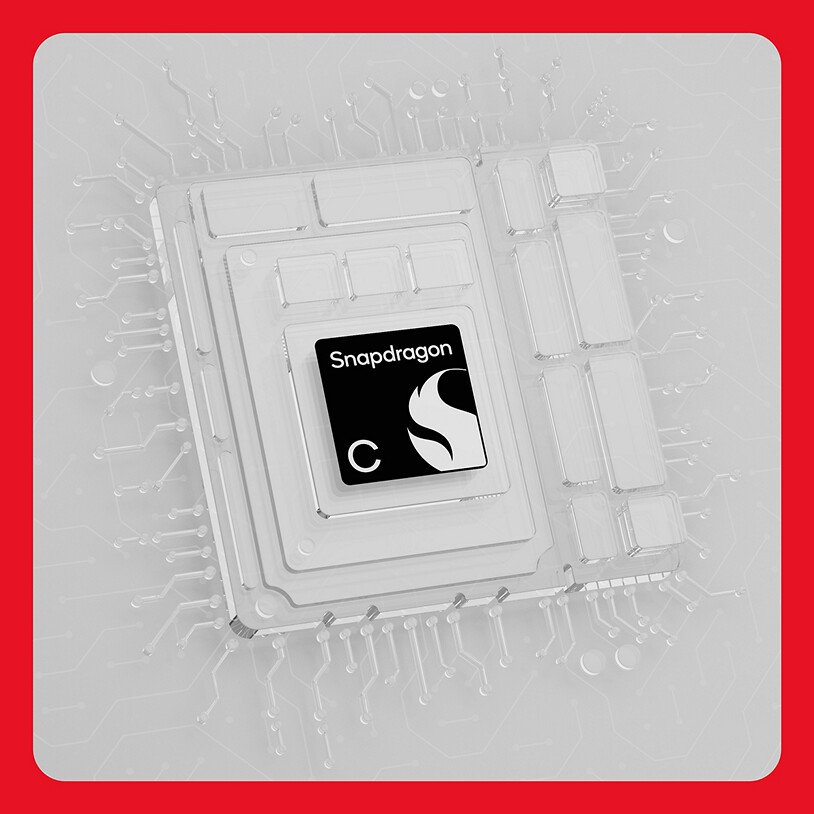
The miner features a single ASIC chip running at 1.5 GHz, delivering around 3 TH/s of hash power. It connects directly to a PC’s PCIe slot and draws roughly 60 watts under load, making it one of the most efficient small-scale miners available. Unlike larger rigs, this unit doesn’t require separate power supplies or cooling systems beyond what a standard desktop already has.
Context: A shift toward accessibility
Bitcoin mining has long been dominated by large-scale operations with specialized hardware and significant power infrastructure. This new miner aims to change that dynamic by offering a low-cost, plug-in alternative for those who want to participate in the network without the overhead of industrial setups. The device’s efficiency is notable, as it avoids the heat and noise issues common in high-power mining rigs.
Implications for small operators
For small businesses or individuals interested in Bitcoin mining but deterred by the cost and complexity of traditional ASIC miners, this plug-in unit could provide a viable entry point. Its PCIe form factor means it can be integrated into existing desktop systems without additional hardware purchases. However, profitability remains uncertain due to fluctuating Bitcoin prices and network difficulty, which are beyond the control of individual miners.
What’s confirmed—and what’s unclear
The miner is expected to ship in early 2025, with pre-orders opening later this year. Pricing is fixed at $60 for a single unit, though bulk discounts may be available for businesses looking to deploy multiple miners. The team behind the project has emphasized that while it’s designed for simplicity, users should still be prepared for the variability of mining rewards based on network conditions.
What remains unclear is how this miner will perform in real-world scenarios, particularly as Bitcoin’s difficulty continues to rise. Early adopters may need to monitor both hardware longevity and power efficiency under sustained load. For now, it represents a notable step toward making Bitcoin mining more accessible, but its long-term impact on the ecosystem is still an open question.